

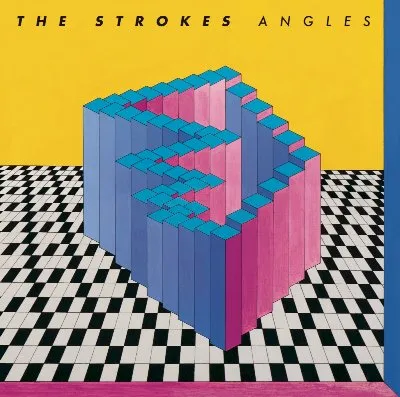
Angles
The Strokes · 2011
34 min · 10 tracks · indie rock
Off-kilter rhythms and bright new-wave textures pull the Strokes’ wiry rock into unfamiliar shapes.
Top tracks — play these first
-
→
Machu Picchu Start here — A springy, syncopated opening gives the band’s interlocking parts a looser, more dance-oriented feel before the chorus pushes into a brighter register.
-
→
Under Cover of Darkness — The lead single pairs nimble, interlocking lines with a big melodic chorus, reconnecting the album’s new-wave polish to the urgent attack of the band’s early work.
-
→
You’re So Right — Clipped rhythms and a tense, repetitive vocal make this one of the album’s starkest departures, compressing its unease into less than three minutes.
-
→
Life Is Simple in the Moonlight — The closing track eases from a measured verse into a soaring chorus, ending the album with a more spacious sense of momentum.
Elevation
Our rating, out of 100 — and why.
AI-generated from five scored dimensions. An opinion, not a measurement.
Angles shows growth in The Strokes' sound but lacks the cohesion and distinctiveness of their earlier work.
What we noticed
- The album opens with a bright, upbeat track that sets a lively tone, but the tempo fluctuates significantly by the fourth track, which slows down to a more introspective feel.
- Several tracks feature layered guitar lines that create a textured sound, contrasting with the straightforward rhythms of the drums.
- The last three tracks gradually decrease in energy, culminating in a reflective closing piece that leaves the listener with an unresolved feeling.
- Composition 25% of the score
-
6/10
- Craft 20% of the score
-
7/10
- Durability 25% of the score
-
5/10
- Distinctiveness 18% of the score
-
5/10
- Sequencing 12% of the score
-
6/10
the writing — melody, harmony, structure, lyrics
production, performance, arrangement
whether it rewards returning to it
whether it sounds like itself
running order, pacing, length
Known within its scene. Reported but not counted — how far a record travelled describes its reception rather than the record, and a newer release has had less time to travel than an older one.
Is this for you?
Good fit if you like
- steady, consistent energy levels
- catchy hooks for engagement
- short, immersive listening sessions
- mid-tempo flow for reflection
Where this album fits
- In the catalog
- Experimental — Angles represents a departure from The Strokes' earlier raw sound with a polished approach.
- Themes
- New York rock revival· 2011 comeback pressure· layered-guitar haze
- Career context
- Angles was the Strokes’ fourth album and their first since First Impressions of Earth in 2006. During the intervening years, Julian Casablancas and other members pursued solo projects; for Angles, the band adopted a more collaborative writing approach, with Casablancas recording much of his vocals separately.
- Stylistic neighbors
- Arctic Monkeys· The Libertines· Franz Ferdinand
Moments worth listening for
Where the writing does something specific.
-
Under Cover of Darkness
The chorus returns to the claim that everyone has been repeating the same song for a decade.
That recurring accusation turns a catchy refrain into a pointed comment on repetition and creative expectations.
Tracklist
- 1 Machu Picchu Start here 3:32
- 2 Under Cover of Darkness 3:57
- 3 Two Kinds of Happiness 3:43
- 4 You’re So Right 2:33
- 5 Taken for a Fool 3:24
- 6 Games 3:53
- 7 Call Me Back 3:03
- 8 Gratisfaction 2:59
- 9 Metabolism 3:04
- 10 Life Is Simple in the Moonlight 4:15
What to play next
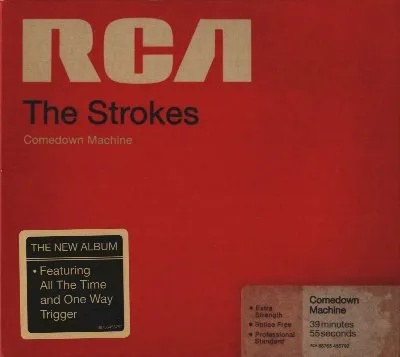
Comedown Machine
2013
Continues the polished sound with fresh experimentation and catchy hooks.
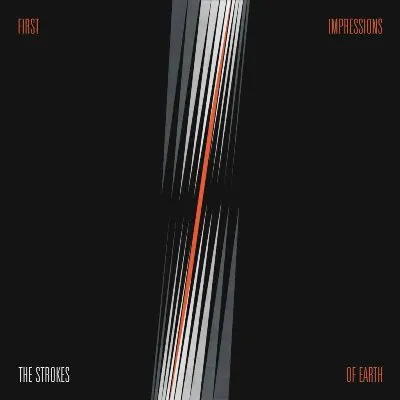
First Impressions of Earth
2006
Leads into a more refined style while maintaining some raw energy.
If this landed
Records by other artists that run on the same instinct.
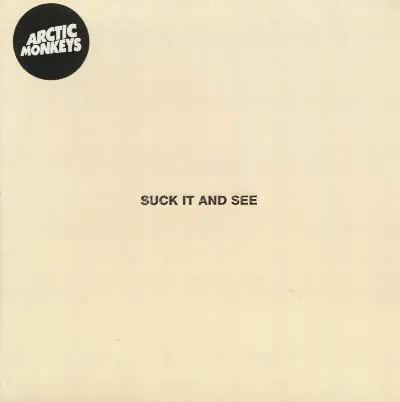
Suck It and See
Arctic Monkeys
Shares the era’s shift from scrappy guitar rock toward polished melodies and more spacious arrangements.

Interpol
Interpol
Pairs New York post-punk guitar tension with a more layered, atmospheric production approach.
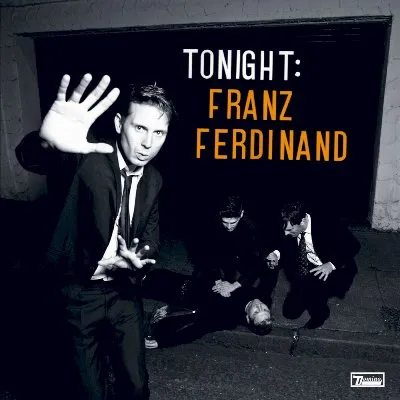
Tonight: Franz Ferdinand
Franz Ferdinand
Combines angular guitar riffs with sleek new-wave rhythms and a more dance-oriented sound.
Reference: Wikipedia · MusicBrainz · Wikidata
Sync your library
Everything you track here works immediately — no account needed. Create one when you want to sync across devices.