

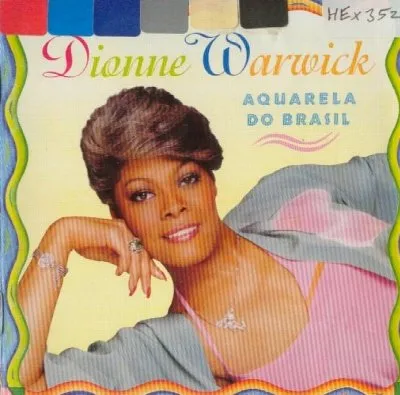
Aquarela do Brasil
Dionne Warwick · 1994
52 min · 12 tracks · pop music
A vibrant fusion of Brazilian rhythms and soulful melodies that transports listeners to the heart of Brazil.
Top tracks — play these first
-
→
Brazil (Aquarela Do Brasil) — As the title track, this rendition showcases Warwick's ability to infuse traditional Brazilian music with her unique vocal style, capturing its essence beautifully.
-
→
Jobim (medley) Start here — This medley pays homage to iconic composer Antonio Carlos Jobim, seamlessly blending multiple classic pieces that highlight Warwick's interpretive depth.
-
→
Oh Bahia — With its infectious rhythm and celebratory lyrics, this track exemplifies the joy of Brazilian culture while allowing Warwick's voice to shine through vibrant instrumentation.
Is this for you?
Good fit if you like
- steady rhythmic journey throughout
- vibrant energy for gatherings
- emotive vocals for deep listening
- ideal for sunny afternoons
Maybe skip if you
- seeking instant gratification
- prefer standalone tracks only
Where this album fits
- In the catalog
- Experimental — Showcases a significant departure into Brazilian music styles after decades in pop and soul.
- Themes
- Brazilian rhythms· Jobim homage· cultural celebration
- Career context
- Released in 1994, Aquarela do Brasil marked a significant chapter in Dionne Warwick's career as it showcased her exploration of Brazilian music after decades in pop and soul. This album followed her successful run in the 1980s and early 1990s, during which she solidified her status as a versatile vocalist and opened up new musical avenues.
- Stylistic neighbors
- Aretha Franklin· Natalie Cole· Dusty Springfield
Tracklist
- 1 Jobim (medley) Start here 5:53
- 2 Virou Areia 4:15
- 3 Oh Bahia 5:28
- 4 Piano Na Mangueira 2:49
- 5 Captives of the Heart 4:50
- 6 Samba Dobrado 4:22
- 7 Heart of Brazil 4:38
- 8 N Kosi Sikelel I: Afrika / So Bashiya Bahlala Ekhaya 3:51
- 9 Brazil (Aquarela Do Brasil) 4:01
- 10 Caravan 3:56
- 11 Flower of Bahia 4:18
- 12 10,000 Words 4:26
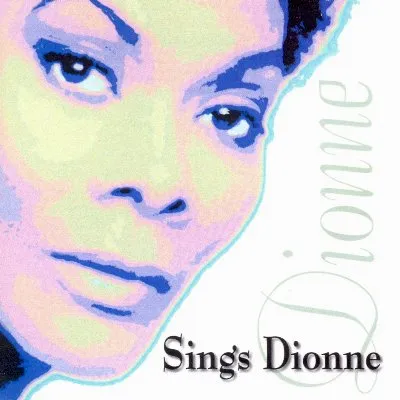

If this landed
Records by other artists that run on the same instinct.

Chega de Saudade
João Gilberto
Captures the essence of bossa nova with lush rhythms and melodic fluidity, similar to Brazilian vibes.

Transa
Caetano Veloso
Blends Brazilian rhythms with a global pop sensibility, echoing cultural celebration found in Warwick's work.
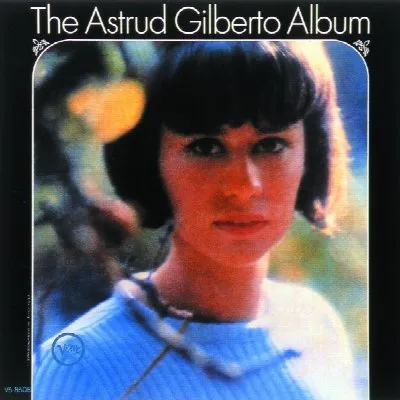
The Astrud Gilberto Album
Astrud Gilberto
Combines soft vocals and Brazilian beats, creating a vibrant atmosphere akin to Warwick’s explorative spirit.
Reference: Wikipedia · MusicBrainz · Wikidata
Sync your library
Everything you track here works immediately — no account needed. Create one when you want to sync across devices.