

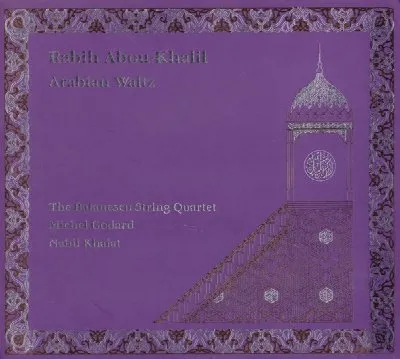
Released 30 years ago
Arabian Waltz
Rabih Abou-Khalil · 1996
58 min · 6 tracks · jazz
A fusion of Middle Eastern melodies and jazz improvisation creates an evocative, cinematic soundscape throughout the album.
Top tracks — play these first
-
→
Arabian Waltz — The title track encapsulates the album's essence by seamlessly intertwining traditional Arabic scales with jazz improvisation, setting the tone for the entire collection.
-
→
Dreams of a Dying City — This track features an expansive structure that allows for deep exploration of emotional themes, showcasing Abou-Khalil's storytelling through music.
-
→
No Visa — An engaging piece that reflects on themes of displacement and belonging, blending rhythmic complexity with haunting melodies that linger long after listening.
Elevation
Our rating, out of 100 — and why.
AI-generated from five scored dimensions. An opinion, not a measurement.
InstrumentalThe album's blend of Middle Eastern melodies and jazz creates a unique sound that stands out in both genres.
What we noticed
- The album features a consistent use of traditional Middle Eastern scales, which are woven into the jazz improvisations throughout each track.
- Each piece typically begins with a melodic introduction that sets a thematic tone before transitioning into more complex improvisational sections.
- The instrumentation prominently includes the oud, which is featured in both lead and accompaniment roles, creating a distinctive sound.
- Tracks vary in tempo but maintain a cohesive flow, with several pieces ending on sustained notes that create a lingering atmosphere.
- Composition 25% of the score
-
8/10
- Craft 20% of the score
-
7/10
- Durability 25% of the score
-
6/10
- Distinctiveness 18% of the score
-
9/10
- Sequencing 12% of the score
-
8/10
the writing — melody, harmony, structure, lyrics
production, performance, arrangement
whether it rewards returning to it
whether it sounds like itself
running order, pacing, length
Significant within its genre. Reported but not counted — how far a record travelled describes its reception rather than the record, and a newer release has had less time to travel than an older one.
Is this for you?
Good fit if you like
- deep introspection during listening
- long, flowing contemplative pieces
- evocative melodies for quiet moments
- immersive soundscapes for reflection
Maybe skip if you
- prefer upbeat and fast tracks
- seek immediate musical gratification
Where this album fits
- Career context
- Released in 1996, Arabian Waltz marked Rabih Abou-Khalil's significant emergence as a prominent figure in contemporary jazz, following his earlier works that blended traditional Arab music with modern jazz elements. This album came after his acclaimed record, Aydin (1994), showcasing his evolution in musical complexity and thematic depth.
- Stylistic neighbors
- Anouar Brahem· Omar Souleyman· Tigran Hamasyan
Tracklist
Best experienced from track one — press play and let it unfold.
- 1 Arabian Waltz 8:13
- 2 Dreams of a Dying City 12:10
- 3 Ornette Never Sleeps 7:01
- 4 Georgina 11:12
- 5 No Visa 10:01
- 6 The Pain After 9:26

Reference: Wikipedia · MusicBrainz · Wikidata
Sync your library
Everything you track here works immediately — no account needed. Create one when you want to sync across devices.