

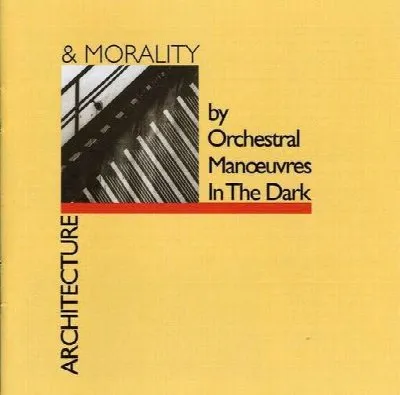
Architecture & Morality
Orchestral Manoeuvres in the Dark · 1981
61 min · 16 tracks · synth-pop
Synthesizers and sampled voices turn electronic pop into something spacious enough for both church-like reverie and sudden bursts of abrasion.
Top tracks — play these first
-
→
The New Stone Age Start here — Distorted synths and McCluskey’s strained vocal make the opening track a startlingly abrasive entrance, setting up the gentler music that follows.
-
→
Souvenir — A loop made from a choir recording gives the single its hazy vocal texture, while Humphreys’ restrained lead vocal keeps its sadness understated.
-
→
Sealand — This slow-building piece stretches the album’s pop language into an expansive electronic landscape, letting atmosphere accumulate before the rhythm takes hold.
-
→
Joan of Arc (Maid of Orleans) — A stately waltz pulse and sweeping Mellotron textures turn the historical subject into an unconventional hit single with a ceremonial feel.
Elevation
Our rating, out of 100 — and why.
AI-generated from five scored dimensions. An opinion, not a measurement.
The album's blend of ethereal melodies and introspective lyrics creates a unique sound within synth-pop.
What we noticed
- Several tracks incorporate spoken word elements, particularly in 'Sealand' and 'Architecture and Morality', creating a contrast with the melodic sections.
- The album features a notable shift in tone with 'Joan of Arc', which introduces a more anthemic quality compared to the preceding introspective tracks.
- Composition 25% of the score
-
7/10
- Craft 20% of the score
-
8/10
- Durability 25% of the score
-
7/10
- Distinctiveness 18% of the score
-
8/10
- Sequencing 12% of the score
-
6/10
the writing — melody, harmony, structure, lyrics
production, performance, arrangement
whether it rewards returning to it
whether it sounds like itself
running order, pacing, length
Significant within its genre. Reported but not counted — how far a record travelled describes its reception rather than the record, and a newer release has had less time to travel than an older one.
Is this for you?
Good fit if you like
- introspective exploration of emotions
- steady flow for reflective moments
- poignant melodies with ethereal synths
- steady pacing for thoughtful listening
- immersive soundscapes for solitude
Maybe skip if you
- seeking fast-paced excitement
- prefer standalone tracks only
Where this album fits
- In the catalog
- Critical Peak — Often cited as OMD's most ambitious and influential work, showcasing their artistic growth.
- Themes
- urbanization critique· Joan of Arc symbolism· nostalgia and modernity
- Career context
- Released in 1981, Architecture & Morality was OMD’s third studio album, following Organisation and the breakthrough single Enola Gay. It found Andy McCluskey and Paul Humphreys expanding their electronic palette with Mellotron and choral textures while retaining a gift for compact pop songs.
- Stylistic neighbors
- Depeche Mode· Gary Numan· The Human League
Moments worth listening for
Where the writing does something specific.
-
Joan of Arc (Maid of Orleans)
The opening addresses Joan directly, asking whether her devotion to God would take precedence over love.
Framing the historical figure through a question makes the song’s conflict intimate before its grand instrumental passages take over.
Tracklist
- 1 The New Stone Age Start here 3:22
- 2 She’s Leaving 3:28
- 3 Souvenir 3:39
- 4 Sealand 7:47
- 5 Joan of Arc 3:48
- 6 Joan of Arc (Maid of Orleans) 4:12
- 7 Architecture and Morality 3:43
- 8 Georgia 3:24
- 9 The Beginning and the End 3:48
- 10 Extended Souvenir 4:16
- 11 Motion and Heart (Amazon version) 3:07
- 12 Sacred Heart 3:30
- 13 The Romance of the Telescope 3:22
- 14 Navigation 3:00
- 15 Of All the Things We've Made 3:25
- 16 Gravity Never Failed 3:24
What to play next
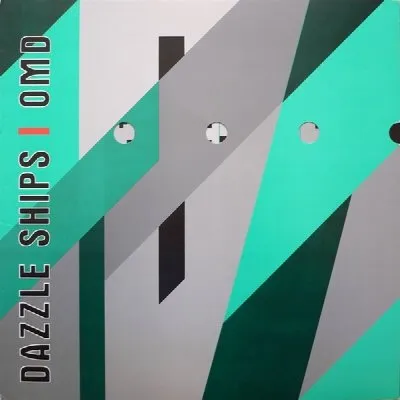
Dazzle Ships
1983
Continues the ethereal sound while introducing experimental elements.
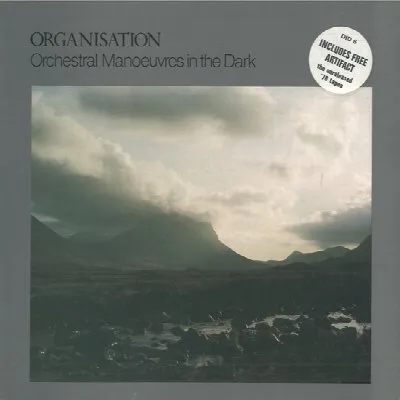
Organisation
1980
Sets a foundation with similar themes and synth-driven melodies.
If this landed
Records by other artists that run on the same instinct.
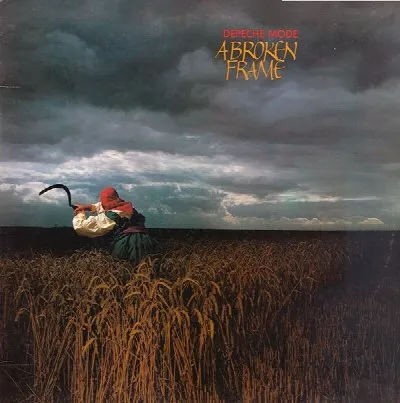
A Broken Frame
Depeche Mode
Shares a similar blend of synth textures and introspective themes focused on emotion and technology.
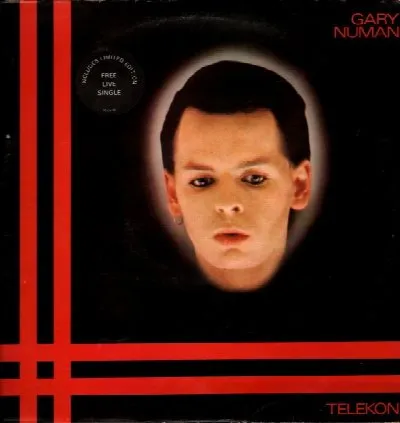
Telekon
Gary Numan
Explores urban alienation and emotional depth with rich synth landscapes and a haunting atmosphere.
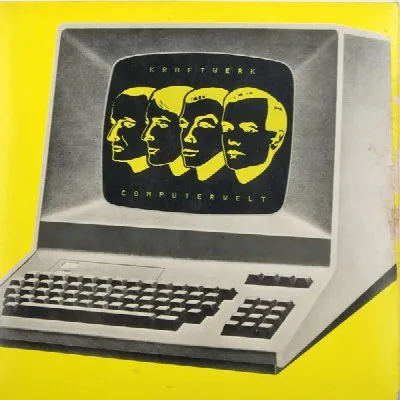
Computer World
Kraftwerk
Both engage with themes of technology and modernity through innovative electronic soundscapes.
Reference: Wikipedia · MusicBrainz · Wikidata
Sync your library
Everything you track here works immediately — no account needed. Create one when you want to sync across devices.