

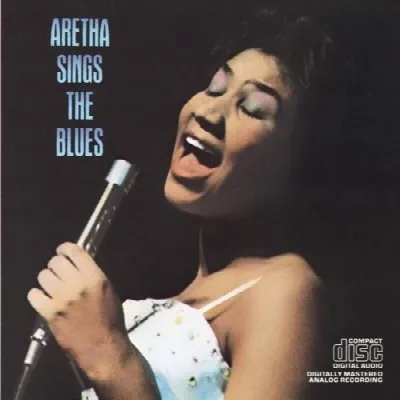
Aretha Sings the Blues
Aretha Franklin · 1980
47 min · 14 tracks · funk
A soulful exploration of heartache and resilience, blending jazz, blues, and gospel influences with Aretha's powerful voice.
Top tracks — play these first
-
→
Drinking Again Start here — establishes the sonic palette early
-
→
Today I Sing the Blues — This track opens the album with a poignant declaration of vulnerability, perfectly capturing the emotional landscape that defines the collection. Its blend of bluesy instrumentation and heartfelt lyrics showcases Franklin's vocal prowess.
-
→
What a Difference a Day Made — A standout cover that highlights Franklin's ability to infuse classic material with fresh emotion, transforming it into a deeply personal statement about love and loss. The arrangement allows her voice to shine through, making it one of the album's most memorable moments.
-
→
Nobody Knows the Way I Feel This Morning — This track serves as an introspective finale, encapsulating themes of sorrow and resilience with haunting melodies. Franklin's delivery here resonates deeply, making it a powerful conclusion to an album steeped in emotional complexity.
Elevation
Our rating, out of 100 — and why.
AI-generated from five scored dimensions. An opinion, not a measurement.
Aretha Sings the Blues showcases strong songwriting and skilled execution, though it doesn't fully redefine its genre.
What we noticed
- The album features a consistent use of bluesy chord progressions across most tracks, with Aretha's vocal delivery often emphasizing emotional weight.
- Several tracks incorporate call-and-response elements, a nod to gospel traditions, enhancing the interaction between Aretha and her backing musicians.
- The last three tracks slow down the tempo significantly, creating a reflective mood that contrasts with the more upbeat songs earlier in the album.
- Composition 25% of the score
-
7/10
- Craft 20% of the score
-
8/10
- Durability 25% of the score
-
6/10
- Distinctiveness 18% of the score
-
6/10
- Sequencing 12% of the score
-
7/10
the writing — melody, harmony, structure, lyrics
production, performance, arrangement
whether it rewards returning to it
whether it sounds like itself
running order, pacing, length
Known within its scene. Reported but not counted — how far a record travelled describes its reception rather than the record, and a newer release has had less time to travel than an older one.
Is this for you?
Good fit if you like
- steady emotional storytelling
- introspective late-night vibes
- soulful reflective moments
- consistent pacing throughout
- rich, layered vocal expressions
Where this album fits
- In the catalog
- Experimental — Marks a return to blues, diverging from her pop and soul hits of the previous decade.
- Moods
- Melancholy· Introspective
- Career context
- Released in 1980, Aretha Sings the Blues marked a return to Aretha Franklin's roots in the blues genre after a decade of pop and soul hits. This album came during a transitional phase in her career, following her commercial peak in the 1970s and reflecting her artistic desire to reconnect with the emotional depth of her earlier work.
- Stylistic neighbors
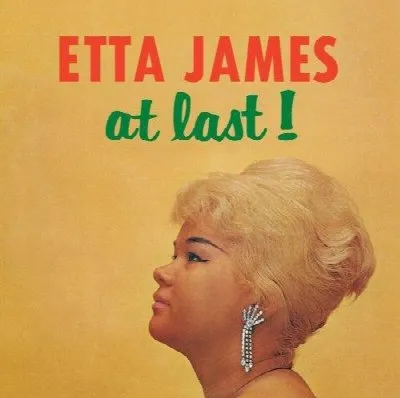
- Gladys Knight· Etta James· Nina Simone
Tracklist
- 1 Drinking Again Start here 3:29
- 2 Today I Sing the Blues 2:48
- 3 What a Difference a Day Made 3:31
- 4 Without the One You Love 3:36
- 5 Trouble in Mind 2:54
- 6 Muddy Water 2:31
- 7 Only the Lonely 4:54
- 8 I Wonder (Where Are You Tonight) 3:15
- 9 Laughing on the Outside (Crying on the Inside) 3:13
- 10 Take a Look 2:41
- 11 Nobody Knows the Way I Feel This Morning 5:12
- 12 Evil Gal Blues 2:43
- 13 This Bitter Earth 3:37
- 14 Maybe I’m a Fool 3:14
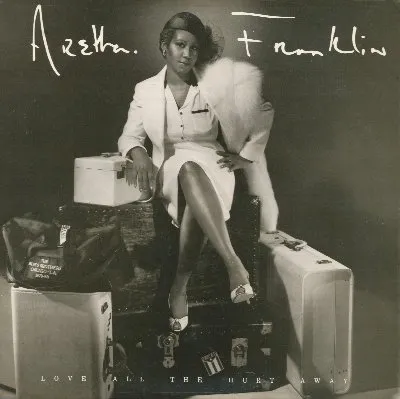
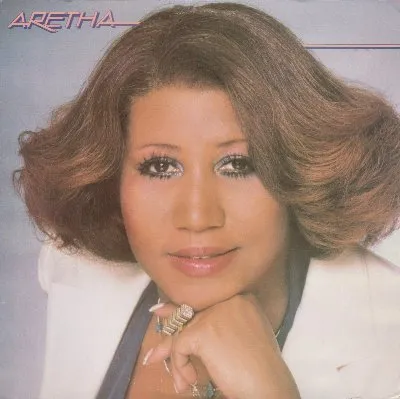
If this landed
Records by other artists that run on the same instinct.
Reference: Wikipedia · MusicBrainz · Wikidata
Sync your library
Everything you track here works immediately — no account needed. Create one when you want to sync across devices.