


Au Printemps
Jacques Brel · 1958
34 min · 13 tracks · chanson
A poignant blend of romantic melancholy and theatrical flair, showcasing Brel's emotive vocal delivery against lush instrumental backdrops.
Top tracks — play these first
-
→
Demain l’on se marie (La Chanson des fiancés) Start here — This opening track captures the joy and anticipation of impending nuptials with Brel's lively performance and clever lyrical twists, establishing the album’s thematic heart.
-
→
Au printemps — The title track poignantly reflects on renewal and the passage of time, showcasing Brel's ability to intertwine personal emotion with broader existential contemplation.
-
→
Le Colonel — This song features a narrative style that criticizes authority through vivid storytelling while encapsulating Brel's talent for combining humor with social critique.
Elevation
Our rating, out of 100 — and why.
AI-generated from five scored dimensions. An opinion, not a measurement.
Brel's emotive storytelling and orchestral arrangements create a distinct and cohesive listening experience.
What we noticed
- The first half of the album features tracks that build in emotional intensity, culminating in a climactic arrangement before shifting to more introspective pieces.
- Brel's vocal delivery often employs dramatic pauses and dynamic shifts, enhancing the theatrical quality of the performance.
- Several tracks incorporate orchestral elements, creating lush instrumental backdrops that complement Brel's emotive storytelling.
- Composition 25% of the score
-
8/10
- Craft 20% of the score
-
7/10
- Durability 25% of the score
-
6/10
- Distinctiveness 18% of the score
-
7/10
- Sequencing 12% of the score
-
8/10
the writing — melody, harmony, structure, lyrics
production, performance, arrangement
whether it rewards returning to it
whether it sounds like itself
running order, pacing, length
Significant within its genre. Reported but not counted — how far a record travelled describes its reception rather than the record, and a newer release has had less time to travel than an older one.
Is this for you?
Good fit if you like
- steady pacing for reflective moments
- poignant storytelling through melodies
- short tracks for quick engagement
- theatrical delivery with emotional depth
Maybe skip if you
- prefer longer, sprawling compositions
- seek high-energy dance tracks
Where this album fits
- In the catalog
- Deep Cut — This album showcases Brel's signature themes but is not his most recognized work.
- Themes
- Parisian romance· nuptial anticipation· authority critique
- Career context
- Released in 1958, Au Printemps marked Jacques Brel's third studio album, following his breakthrough with the album Quand on n'a que l'amour in 1957. By this point, Brel was solidifying his reputation as a leading figure in the chanson genre, blending poetic lyrics with dramatic performances that captivated audiences across Europe.
- Stylistic neighbors
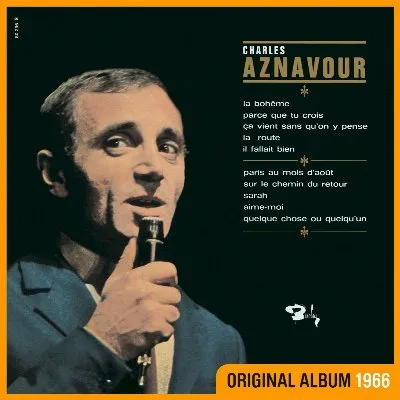
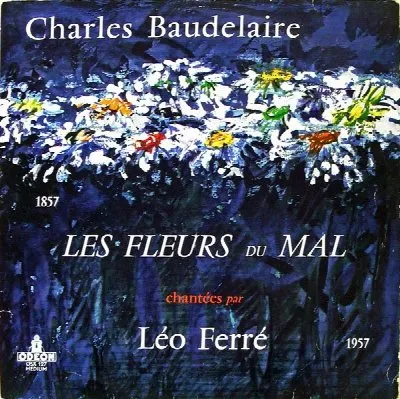
- Georges Brassens· Léo Ferré· Charles Aznavour
Moments worth listening for
Where the writing does something specific.
-
Au printemps
The imagery shifts from blooming flowers to fleeting youth evokes a bittersweet sense of nostalgia.
This juxtaposition deepens the emotional impact by contrasting nature's beauty with life's transience, highlighting Brel's skill in painting complex feelings.
Tracklist
- 1 Demain l’on se marie (La Chanson des fiancés) Start here 2:35
- 2 Au printemps 2:43
- 3 Je ne sais pas 3:10
- 4 Le Colonel 3:14
- 5 Dors ma mie 3:47
- 6 La lumière jaillira 3:00
- 7 Dites, si c’était vrai (poème) 1:37
- 8 L’Homme dans la cité 2:26
- 9 Litanies pour un retour 2:13
- 10 Voici 2:47
- 11 Voir 2:23
- 12 L’Aventure 2:39
- 13 Dites, si c’était vrai (poème) 1:28

If this landed
Records by other artists that run on the same instinct.
Reference: Wikipedia · MusicBrainz · Wikidata
Sync your library
Everything you track here works immediately — no account needed. Create one when you want to sync across devices.