

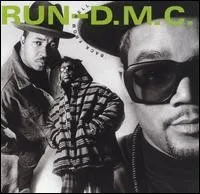
Back from Hell
Run-DMC · 1990
54 min · 16 tracks · hardcore hip-hop
Run-DMC’s clipped exchanges ride tense funk grooves that pull their street-corner directness toward the swing of 1990.
Top tracks — play these first
-
→
The Ave. Start here — A neighborhood portrait turns the group’s forceful delivery toward the damage wrought by drugs and violence, with a groove that keeps the account moving.
-
→
What’s It All About — Run and DMC trade pointed observations over a polished, swinging backdrop, bringing social anxiety into the album’s updated production style.
-
→
Pause — The single puts the duo’s tightly interlocking voices against a dance-oriented arrangement, making the tension between their established attack and newer rhythms audible.
-
→
Back From Hell — The title track strips the premise down to a defiant return, emphasizing the blunt vocal exchanges that remained central to Run-DMC’s identity.
Elevation
Our rating, out of 100 — and why.
AI-generated from five scored dimensions. An opinion, not a measurement.
The album blends rock and hip-hop effectively but lacks the depth for lasting appeal.
What we noticed
- The album features a consistent use of rock guitar riffs layered over hip-hop beats, particularly evident in tracks like 'Bob Your Head' and 'Back From Hell'.
- Several tracks incorporate call-and-response vocal patterns, enhancing the energetic delivery and engaging the listener.
- The pacing varies significantly, with tracks like 'Sucker D.J.’s' and 'Party Time' maintaining high energy, while others like 'Livin’ in the City' slow down to provide contrast.
- Composition 25% of the score
-
6/10
- Craft 20% of the score
-
7/10
- Durability 25% of the score
-
5/10
- Distinctiveness 18% of the score
-
7/10
- Sequencing 12% of the score
-
6/10
the writing — melody, harmony, structure, lyrics
production, performance, arrangement
whether it rewards returning to it
whether it sounds like itself
running order, pacing, length
Known within its scene. Reported but not counted — how far a record travelled describes its reception rather than the record, and a newer release has had less time to travel than an older one.
Is this for you?
Good fit if you like
- dynamic emotional journeys
- wave-like pacing experiences
- short, punchy interludes
- engaging lyrical narratives
- steady energy throughout
Where this album fits
- In the catalog
- Breakthrough — Solidified Run-DMC's status in hip-hop after mixed reviews of previous work.
- Themes
- 1990 rap-rock crossover· DJ-versus-MC bravado· post–Tougher Than Leather comeback
- Career context
- Back from Hell was Run-DMC’s fifth studio album, following 1988’s Tougher Than Leather. It arrived as the rap landscape they had helped transform was shifting toward new production styles, and the group incorporated elements of new jack swing into its sound.
- Stylistic neighbors
- Beastie Boys· LL Cool J· Public Enemy
Tracklist
- 1 Sucker D.J.’s 0:50
- 2 The Ave. Start here 4:01
- 3 What’s It All About 4:48
- 4 Bob Your Head 3:47
- 5 Faces 4:27
- 6 Kick the Frama Lama Lama 3:09
- 7 Pause 4:38
- 8 Word Is Born 2:53
- 9 Back From Hell 3:01
- 10 Don’t Stop 4:37
- 11 Groove to the Sound 3:34
- 12 P Upon a Tree 0:44
- 13 Naughty 4:08
- 14 Livin’ in the City 1:03
- 15 Not Just Another Groove 4:19
- 16 Party Time 4:34
What to play next
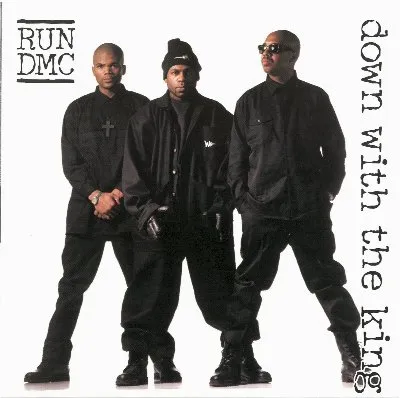
Down with the King
1993
Continues the energetic fusion of hip-hop and rock with fresh collaborations.
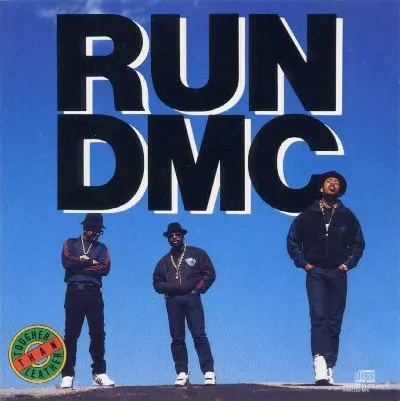
Tougher Than Leather
1988
Sets a solid foundation with similar high-energy beats and lyrical themes.
If this landed
Records by other artists that run on the same instinct.
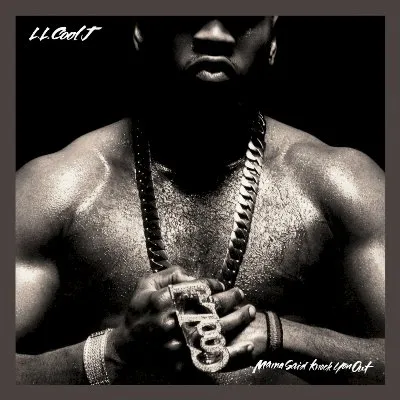
Mama Said Knock You Out
LL Cool J
Shares the 1990 comeback energy, sharp battle-rap delivery, and funk grooves shaped by new jack swing.
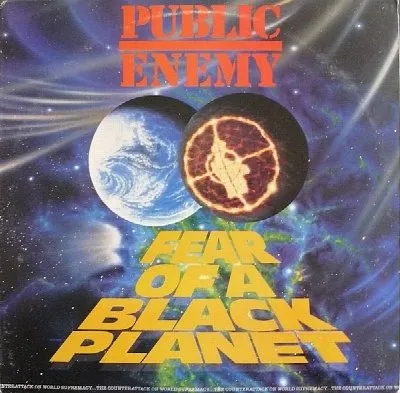
Fear of a Black Planet
Public Enemy
Pairs forceful MC exchanges with tense, funk-based production from the same rapidly shifting 1990 rap landscape.
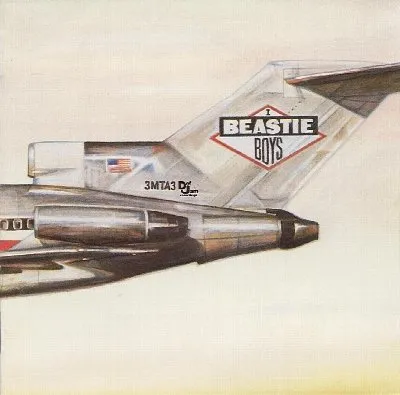
Licensed to Ill
Beastie Boys
Connects clipped group rhymes and DJ-led bravado to a similarly direct rap-rock crossover sound.
Reference: Wikipedia · MusicBrainz · Wikidata
Sync your library
Everything you track here works immediately — no account needed. Create one when you want to sync across devices.