

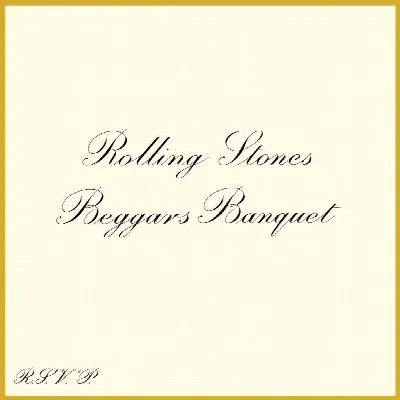
Beggars Banquet
The Rolling Stones · 1968
39 min · 10 tracks · blues
Acoustic guitars and rough-edged blues carry the Stones from back-porch intimacy into the fever of street politics.
Top tracks — play these first
-
→
Sympathy for the Devil Start here — Samba-derived percussion and a rising chorus of backing voices frame Mick Jagger’s devil as a witness to historical violence.
-
→
No Expectations — Brian Jones’s slide guitar gives this spare acoustic lament its aching melodic center.
-
→
Street Fighting Man — Distorted acoustic guitars and Charlie Watts’s compact drum sound give the song a volatile charge suited to its account of political unrest.
-
→
Salt of the Earth — Keith Richards opens the closing track before Jagger takes over, with gospel-style backing voices lending its salute to working people a communal scale.
Elevation
Our rating, out of 100 — and why.
AI-generated from five scored dimensions. An opinion, not a measurement.
Its sharply varied song forms and deliberate contrasts hold together as a focused album, with arrangements that remain rewarding on repeat plays.
What we noticed
- “Sympathy for the Devil” builds from hand percussion into a rolling vocal-and-guitar groove; “No Expectations” immediately strips back to a spare slide-guitar lament.
- “Dear Doctor” and “Factory Girl” use country instrumentation and comic or narrative vocals, while “Street Fighting Man” turns acoustic strumming into a dense, distorted recording.
- The closing “Salt of the Earth” shifts from a solo lead into a communal chorus, giving the record a deliberate, collective-sounding finish.
- Composition 25% of the score
-
9/10
- Craft 20% of the score
-
9/10
- Durability 25% of the score
-
9/10
- Distinctiveness 18% of the score
-
9/10
- Sequencing 12% of the score
-
8/10
the writing — melody, harmony, structure, lyrics
production, performance, arrangement
whether it rewards returning to it
whether it sounds like itself
running order, pacing, length
Defined its genre or moment. Reported but not counted — how far a record travelled describes its reception rather than the record, and a newer release has had less time to travel than an older one.
Is this for you?
Good fit if you like
- dark parables beside sly humor
- brief scenes with two long
- restless streetwise moods and intimacy
- a compact ten-song evening listen
Maybe skip if you
- want one unbroken mood
- prefer every track equally brief
Where this album fits
- In the catalog
- Critical Peak — A defining late-1960s shift toward roots-oriented songwriting that anchors a widely recognized creative period.
- Themes
- 1968 street unrest· Devil's-eye history· back-porch blues· working-class solidarity
- Career context
- Released in December 1968, Beggars Banquet followed the psychedelic Their Satanic Majesties Request and turned toward blues and roots-oriented arrangements. It was the last Rolling Stones studio album released during Brian Jones’s lifetime, and the first the band made with producer Jimmy Miller.
- Stylistic neighbors
- The Who· Led Zeppelin· The Doors
Tracklist
- 1 Sympathy for the Devil Start here 6:18
- 2 No Expectations 3:56
- 3 Dear Doctor 3:22
- 4 Parachute Woman 2:20
- 5 Jig-Saw Puzzle 6:06
- 6 Street Fighting Man 3:16
- 7 Prodigal Son 2:52
- 8 Stray Cat Blues 4:37
- 9 Factory Girl 2:09
- 10 Salt of the Earth 4:47
What to play next
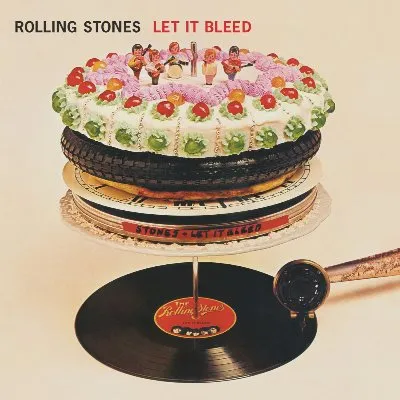
Let It Bleed
1969
It carries Beggars Banquet’s rootsy blues and country textures forward, with a fuller, more expansive sound.
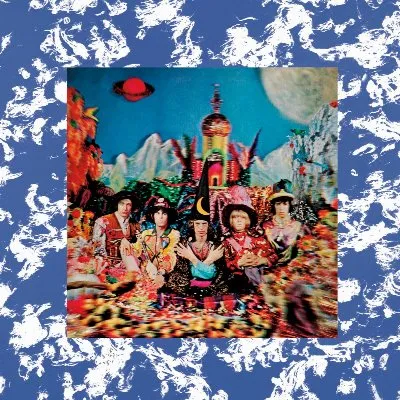
Their Satanic Majesties Request
1967
Its psychedelic experimentation makes the return to the blues-focused sound of Beggars Banquet easy to hear.
If this landed
Records by other artists that run on the same instinct.
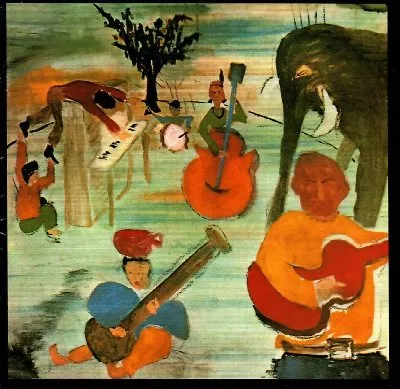
Music from Big Pink
The Band
Shares an earthy, communal roots sound, with plainspoken songs shaped by acoustic guitars and blues.
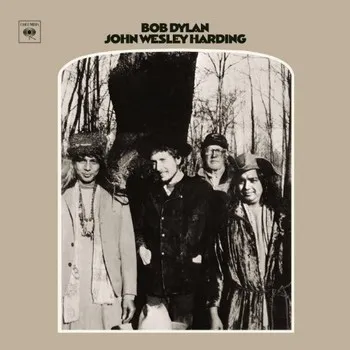
John Wesley Harding
Bob Dylan
Pairs spare acoustic arrangements with biblical imagery and a dark, fable-like view of history.
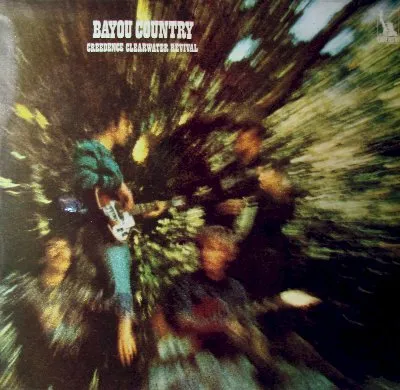
Bayou Country
Creedence Clearwater Revival
Carries rough-edged blues into swampy, guitar-driven songs about social strain and hard-luck lives.
Reference: Wikipedia · MusicBrainz · Wikidata
Sync your library
Everything you track here works immediately — no account needed. Create one when you want to sync across devices.