

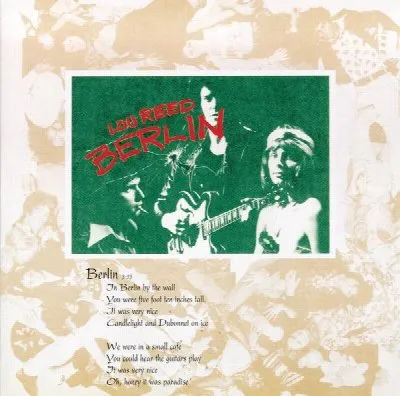
Berlin
Lou Reed · 1973
49 min · 10 tracks · alternative rock
Lou Reed’s deadpan storytelling moves through orchestral grandeur toward scenes of almost unbearable intimacy.
Top tracks — play these first
-
→
Berlin Start here — The opening song turns a fleeting memory of a café into an uneasy prologue, with background chatter making its romantic setting feel like a scene already receding.
-
→
Caroline Says II — A spare arrangement gives Caroline’s account of abuse room to emerge before the song’s cold imagery closes in around her.
-
→
The Kids — The account of children being taken from their mother is interrupted by recorded cries, making the family tragedy difficult to hold at a comfortable distance.
-
→
The Bed — Reed’s restrained delivery and the song’s delicate arrangement make its description of Caroline’s death especially stark.
-
→
Sad Song — The closing track expands the private wreckage into an orchestral finale, while Reed’s detached voice keeps the ending from becoming straightforward consolation.
Elevation
Our rating, out of 100 — and why.
AI-generated from five scored dimensions. An opinion, not a measurement.
Berlin's narrative depth and orchestral arrangements create a haunting experience that stands out in alternative rock.
What we noticed
- The album features a continuous narrative that unfolds across its tracks, creating a cohesive story arc about love and despair.
- Each song is characterized by lush orchestral arrangements, with strings and horns complementing Reed's vocal delivery.
- Several tracks, such as 'Caroline Says I' and 'The Kids', employ a slow tempo that contributes to the overall somber mood of the record.
- The final track, 'Sad Song', ends on a reflective note, leaving the listener with an unresolved emotional weight.
- Composition 25% of the score
-
8/10
- Craft 20% of the score
-
7/10
- Durability 25% of the score
-
6/10
- Distinctiveness 18% of the score
-
8/10
- Sequencing 12% of the score
-
9/10
the writing — melody, harmony, structure, lyrics
production, performance, arrangement
whether it rewards returning to it
whether it sounds like itself
running order, pacing, length
Significant within its genre. Reported but not counted — how far a record travelled describes its reception rather than the record, and a newer release has had less time to travel than an older one.
Is this for you?
Good fit if you like
- narrative emotional storytelling
- long immersive listening sessions
- contemplative late-night moods
- wave-like pacing dynamics
Where this album fits
- In the catalog
- Experimental — Deliberate departure from earlier commercial sound; polarizes listeners.
- Themes
- Berlin barroom squalor· Caroline's abusive marriage· children taken into care
- Career context
- Released in 1973, Berlin was Lou Reed’s third solo studio album and the follow-up to Transformer, which had brought him a hit with Walk on the Wild Side. Working with producer Bob Ezrin, Reed traded that album’s glam sheen for an elaborately arranged song cycle centered on a destructive relationship.
- Stylistic neighbors
- David Bowie· Iggy Pop· The Velvet Underground
Tracklist
- 1 Berlin Start here 3:25
- 2 Lady Day 3:39
- 3 Men of Good Fortune 4:37
- 4 Caroline Says I 3:57
- 5 How Do You Think It Feels 3:43
- 6 Oh, Jim 5:12
- 7 Caroline Says II 4:13
- 8 The Kids 7:53
- 9 The Bed 5:51
- 10 Sad Song 6:59
What to play next
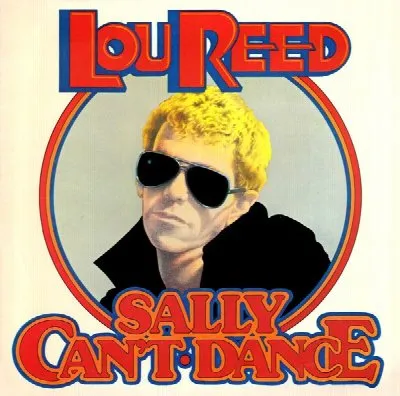
Sally Can't Dance
1974
Continues the exploration of complex themes with a more upbeat energy.
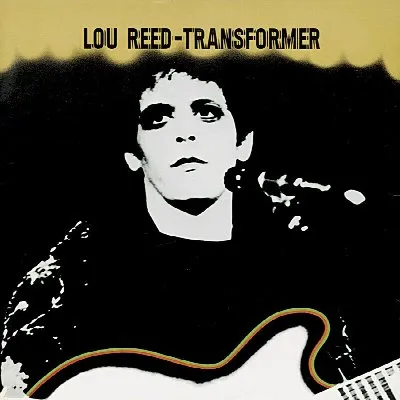
Transformer
1972
Shares a similar raw storytelling style and emotional depth.
If this landed
Records by other artists that run on the same instinct.
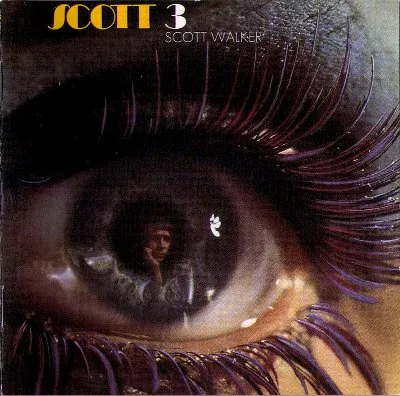

Reference: Wikipedia · MusicBrainz · Wikidata
Sync your library
Everything you track here works immediately — no account needed. Create one when you want to sync across devices.