

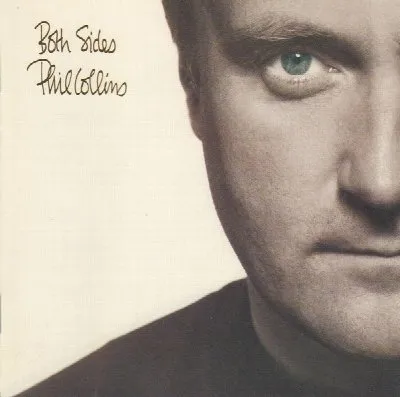
Both Sides
Phil Collins · 1993
67 min · 11 tracks · jazz fusion
A contemplative blend of soft rock and heartfelt melodies, reflecting personal introspection and emotional depth.
Top tracks — play these first
-
→
Both Sides of the Story Start here — This track serves as the thematic anchor of the album, exploring perspectives on personal conflict and emotional vulnerability through its poignant lyrics and atmospheric instrumentation.
-
→
Can’t Turn Back the Years — In this song, Collins reflects on nostalgia and loss, employing a haunting melody that underscores the weight of time and memory, making it a standout moment on the album.
-
→
Everyday — With its upbeat tempo contrasting the introspective lyrics, this track captures the struggle of facing daily uncertainties while maintaining hope, showcasing Collins' ability to blend lyrical depth with accessibility.
Elevation
Our rating, out of 100 — and why.
AI-generated from five scored dimensions. An opinion, not a measurement.
The album blends introspective themes with a mix of mid-tempo and slower tracks, showcasing solid craftsmanship but lacking standout compositions.
What we noticed
- The first half of the album features a consistent mid-tempo groove, while the second half introduces slower ballads that shift the emotional tone.
- Several tracks utilize layered instrumentation, with strings and soft percussion complementing Collins' vocals, creating a lush soundscape.
- The album includes moments where the arrangement drops to minimal instrumentation, allowing for vocal emphasis and introspective lyrics.
- Composition 25% of the score
-
6/10
- Craft 20% of the score
-
7/10
- Durability 25% of the score
-
5/10
- Distinctiveness 18% of the score
-
5/10
- Sequencing 12% of the score
-
6/10
the writing — melody, harmony, structure, lyrics
production, performance, arrangement
whether it rewards returning to it
whether it sounds like itself
running order, pacing, length
Known within its scene. Reported but not counted — how far a record travelled describes its reception rather than the record, and a newer release has had less time to travel than an older one.
Is this for you?
Good fit if you like
- steady reflective listening sessions
- introspective late-night moods
- gradual builds and payoffs
- long immersive storytelling experience
Where this album fits
- In the catalog
- Deep Cut — Solid entry in Collins' catalog that doesn't define his career but showcases his style.
- Themes
- personal conflict· nostalgic reflections
- Moods
- Introspective· Chill
- Career context
- Released in 1993, Both Sides marked Phil Collins' first album after his successful solo career peaked with ...But Seriously in 1989. At this point, Collins was navigating a transition from mainstream pop success towards more introspective themes, influenced by personal experiences like divorce. The album showcases his evolution as a songwriter, melding mature reflections with his signature sound.
- Stylistic neighbors
- Peter Gabriel· Genesis· Steely Dan
Tracklist
- 1 Both Sides of the Story Start here 6:43
- 2 Can’t Turn Back the Years 4:40
- 3 Everyday 5:43
- 4 I’ve Forgotten Everything 5:15
- 5 We’re Sons of Our Fathers 6:24
- 6 Can’t Find My Way 5:08
- 7 Survivors 6:05
- 8 We Fly So Close 7:33
- 9 There’s a Place for Us 6:53
- 10 We Wait and We Wonder 7:01
- 11 Please Come Out Tonight 5:47


If this landed
Records by other artists that run on the same instinct.

Unplugged
Eric Clapton
Shares introspective songwriting and acoustic arrangements, reflecting personal themes and emotional depth.

The Seeds of Love
Tears for Fears
Explores personal conflict and nostalgia with rich melodies and a mature sound palette.
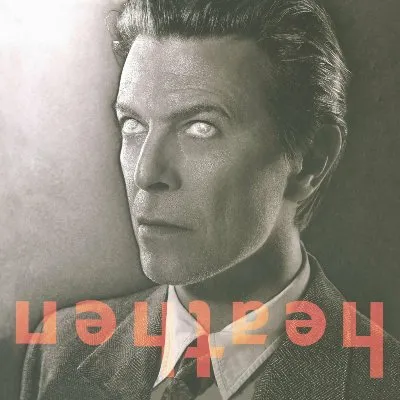
Heathen
David Bowie
Combines reflective lyrics with an atmospheric sound, delving into themes of personal struggle and change.
Reference: Wikipedia · MusicBrainz · Wikidata
Sync your library
Everything you track here works immediately — no account needed. Create one when you want to sync across devices.