


Boys Don't Cry
The Cure · 1979
4 min · 2 tracks · alternative rock
A vibrant blend of post-punk energy and melodic pop sensibility, marked by introspective lyrics and an infectious rhythm.
Top tracks — play these first
-
→
Boys Don’t Cry — The title track encapsulates the band's signature sound, combining catchy melodies with poignant lyrics about vulnerability and societal expectations.
-
→
Plastic Passion — This B-side demonstrates the band’s early experimentation with sound and themes, reflecting a youthful disillusionment that complements their evolving identity.
Elevation
Our rating, out of 100 — and why.
AI-generated from five scored dimensions. An opinion, not a measurement.
The album showcases early post-punk elements with a mix of catchy melodies and introspective lyrics, establishing The Cure's distinct sound.
What we noticed
- The album opens with a strong pop sensibility in 'Boys Don’t Cry', then shifts to darker themes in tracks like 'Killing an Arab' and 'Subway Song'.
- Most tracks feature a consistent mid-tempo beat, but 'Jumping Someone Else’s Train' introduces a faster pace that contrasts with the surrounding songs.
- The lyrics often reflect themes of alienation and introspection, particularly in tracks like '10:15 Saturday Night' and 'Accuracy'.
- Composition 25% of the score
-
6/10
- Craft 20% of the score
-
6/10
- Durability 25% of the score
-
5/10
- Distinctiveness 18% of the score
-
7/10
- Sequencing 12% of the score
-
6/10
the writing — melody, harmony, structure, lyrics
production, performance, arrangement
whether it rewards returning to it
whether it sounds like itself
running order, pacing, length
Significant within its genre. Reported but not counted — how far a record travelled describes its reception rather than the record, and a newer release has had less time to travel than an older one.
Where this album fits
- In the catalog
- Breakthrough — 'Boys Don't Cry' established The Cure's presence in the post-punk scene and gained critical acclaim.
- Themes
- 1970s British youth· emotional repression
- Career context
- Released as The Cure's second single in 1979, following their debut album 'Three Imaginary Boys', 'Boys Don't Cry' solidified the band's presence in the post-punk scene. At this point in their career, they were beginning to experiment with a more accessible sound while maintaining their edgy aesthetic.
- Stylistic neighbors
- Siouxsie and the Banshees· Joy Division· The Sisters of Mercy
Tracklist
Best experienced from track one — press play and let it unfold.
- 1 Boys Don’t Cry 2:34
- 2 Plastic Passion 2:15


If this landed
Records by other artists that run on the same instinct.
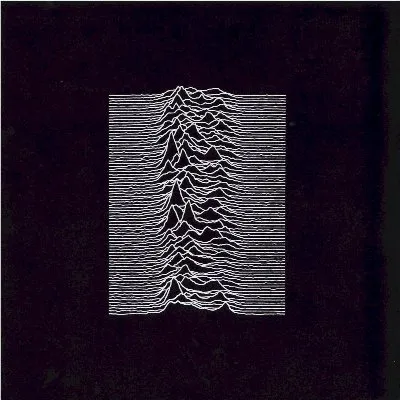
Unknown Pleasures
Joy Division
Shares the same post-punk urgency and introspective lyrics wrapped in a haunting soundscape.

Crocodiles
Echo & the Bunnymen
Offers jangly guitars and melancholic themes, with an atmospheric new wave charm.

The Smiths
The Smiths
Explores emotional repression through jangly guitar melodies and poignant lyricism, capturing youth angst.
Reference: Wikipedia · MusicBrainz · Wikidata
Sync your library
Everything you track here works immediately — no account needed. Create one when you want to sync across devices.