

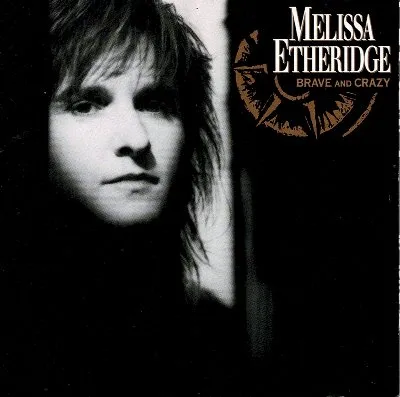
Brave and Crazy
Melissa Etheridge · 1989
45 min · 10 tracks · folk rock
Etheridge’s rasp cuts through muscular roots rock while quieter songs let the tension settle into acoustic intimacy.
Top tracks — play these first
-
→
No Souvenirs Start here — The opening track sets Etheridge’s weathered vocal against a driving rock arrangement, turning a breakup’s aftermath into a restless refusal to linger.
-
→
You Used to Love to Dance — Etheridge builds a portrait of a relationship’s changed rhythms around the memory of dancing, giving the album’s rock sound a reflective edge.
-
→
You Can Sleep While I Drive — A spare, acoustic-leaning road song offers escape as an intimate gesture rather than a grand declaration, showing how much Etheridge can do at a lower volume.
-
→
Royal Station 4/16 — The seven-minute closer gives Etheridge room to stretch the album’s emotional intensity into a slow-burning, extended performance.
Elevation
Our rating, out of 100 — and why.
AI-generated from five scored dimensions. An opinion, not a measurement.
Etheridge blends rock and folk effectively, with strong vocals and varied tempos throughout the album.
What we noticed
- The album opens with a driving rock track that sets a high energy level, which is maintained through the first half before shifting to more introspective pieces.
- Several songs feature prominent guitar solos that complement the lyrical themes, adding depth to the overall sound.
- The last three tracks slow down the tempo significantly, creating a reflective conclusion to the album.
- Composition 25% of the score
-
7/10
- Craft 20% of the score
-
8/10
- Durability 25% of the score
-
6/10
- Distinctiveness 18% of the score
-
6/10
- Sequencing 12% of the score
-
7/10
the writing — melody, harmony, structure, lyrics
production, performance, arrangement
whether it rewards returning to it
whether it sounds like itself
running order, pacing, length
Known within its scene. Reported but not counted — how far a record travelled describes its reception rather than the record, and a newer release has had less time to travel than an older one.
Is this for you?
Good fit if you like
- introspective storytelling journeys
- emotional vocal expressions
- steady, reflective listening sessions
- dynamic shifts in intensity
Where this album fits
- In the catalog
- Breakthrough — This album marked Etheridge's rise in mainstream popularity with notable singles.
- Themes
- road trip freedom· confessional storytelling· artist's journey
- Career context
- Released in 1989, Brave and Crazy was Melissa Etheridge’s second album, following her self-titled 1988 debut. It extended the guitar-driven sound that had introduced her to rock radio while making room for more restrained storytelling.
- Stylistic neighbors
- Sheryl Crow· Janis Joplin· Pat Benatar
Tracklist
- 1 No Souvenirs Start here 4:33
- 2 Brave and Crazy 4:38
- 3 You Used to Love to Dance 5:34
- 4 The Angels 4:40
- 5 You Can Sleep While I Drive 3:15
- 6 Testify 4:29
- 7 Let Me Go 3:56
- 8 My Back Door 4:24
- 9 Skin Deep 3:11
- 10 Royal Station 4/16 7:09
What to play next
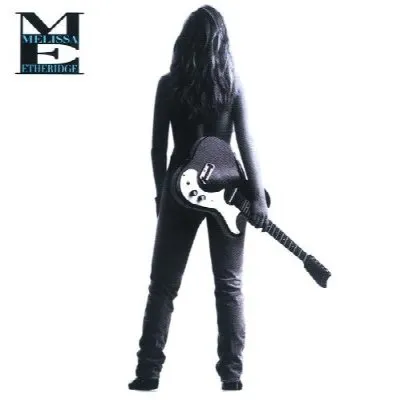
Never Enough
1992
Continues the rock and folk blend with deeper emotional themes.
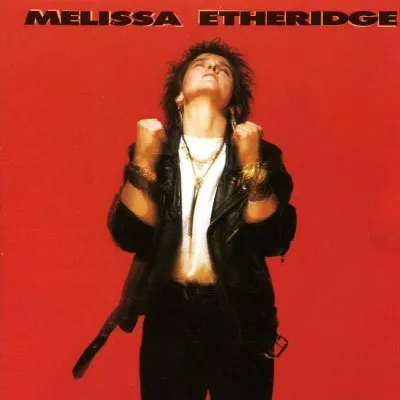
Melissa Etheridge
1988
Sets the stage with similar sound and lyrical style.
If this landed
Records by other artists that run on the same instinct.
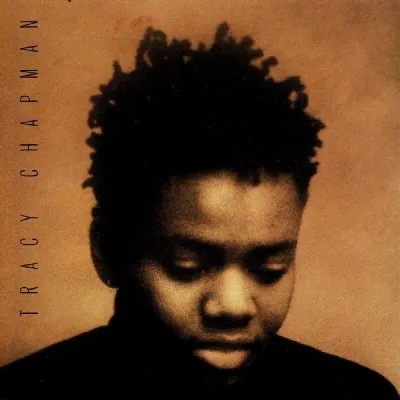
Tracy Chapman
Tracy Chapman
Shares late-'80s folk-rock, direct first-person storytelling, and a voice that carries songs from intimate to forceful.
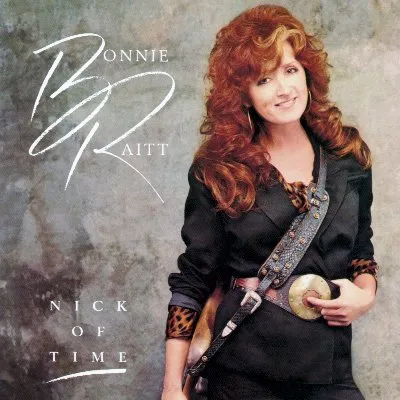
Nick of Time
Bonnie Raitt
Pairs rootsy rock arrangements with candid songs about love, uncertainty, and finding your way forward.
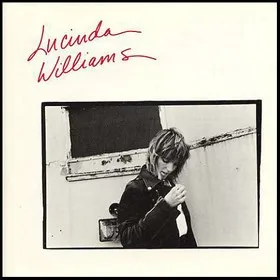
Lucinda Williams
Lucinda Williams
Uses lean folk-rock and road-worn storytelling to give personal longing and hard choices an open-road feel.
Reference: Wikipedia · MusicBrainz · Wikidata
Sync your library
Everything you track here works immediately — no account needed. Create one when you want to sync across devices.