

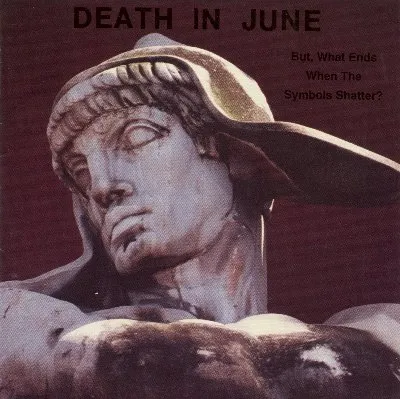
But, What Ends When the Symbols Shatter?
Death in June · 1992
46 min · 12 tracks · folk rock
A haunting blend of neofolk and gothic influences, weaving dark narratives through atmospheric instrumentation and introspective lyrics.
Top tracks — play these first
-
→
Little Black Angel — This track stands out for its poignant exploration of loss and mourning, encapsulated in a haunting melody that resonates throughout the album. Its themes of devotion and sorrow are articulated through striking imagery and emotional vocal delivery.
-
→
Dædalus Rising — The song combines intricate acoustic arrangements with thought-provoking lyrics that delve into transformation and rebirth, making it a pivotal moment on the album. Its structure reflects an evolution in sound that signals a departure from traditional forms.
-
→
The Mourner's Bench — This brief yet impactful track encapsulates the album's somber tone, using minimalist instrumentation to evoke deep emotional resonance. Its reflective nature serves as a powerful interlude amid the more complex arrangements found elsewhere.
Elevation
Our rating, out of 100 — and why.
AI-generated from five scored dimensions. An opinion, not a measurement.
The album's blend of acoustic elements and dark narratives creates a distinctive neofolk sound that resonates with its themes.
What we noticed
- The album features a consistent use of acoustic guitar and layered vocals, creating a haunting atmosphere throughout.
- Several tracks incorporate spoken word elements, which add to the narrative depth and emotional weight of the lyrics.
- The pacing varies significantly, with some tracks maintaining a slow tempo while others introduce more dynamic shifts in intensity.
- Composition 25% of the score
-
7/10
- Craft 20% of the score
-
8/10
- Durability 25% of the score
-
6/10
- Distinctiveness 18% of the score
-
8/10
- Sequencing 12% of the score
-
7/10
the writing — melody, harmony, structure, lyrics
production, performance, arrangement
whether it rewards returning to it
whether it sounds like itself
running order, pacing, length
Significant within its genre. Reported but not counted — how far a record travelled describes its reception rather than the record, and a newer release has had less time to travel than an older one.
Is this for you?
Good fit if you like
- somber reflections on loss
- atmospheric exploration of despair
- haunting melodies for solitude
- thoughtful moments of introspection
Maybe skip if you
- seeking upbeat, energetic tracks
- prefer straightforward song structures
Where this album fits
- Career context
- Released in 1992, But, What Ends When the Symbols Shatter? marked Death in June's transition into a more experimental sound following their earlier works. This album came after their breakthrough with The World That Summer (1986), showcasing a deeper exploration of thematic material and musical complexity as the band solidified its place within the neofolk genre.
- Stylistic neighbors
- Current 93· Sol Invictus· Blood Axis
Tracklist
Best experienced from track one — press play and let it unfold.
- 1 Death Is the Martyr of Beauty 3:50
- 2 He's Disabled 4:08
- 3 The Mourner's Bench 2:31
- 4 Because of Him 3:46
- 5 Dædalus Rising 4:52
- 6 Little Black Angel 4:17
- 7 The Golden Wedding of Sorrow 3:36
- 8 The Giddy Edge of Light 5:07
- 9 Ku Ku Ku 1:52
- 10 This Is Not Paradise 5:27
- 11 Hollows of Devotion 3:29
- 12 But, What Ends When the Symbols Shatter? 3:15
Reference: Wikipedia · MusicBrainz · Wikidata
Sync your library
Everything you track here works immediately — no account needed. Create one when you want to sync across devices.