

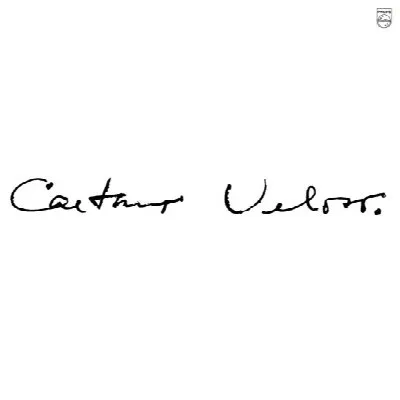
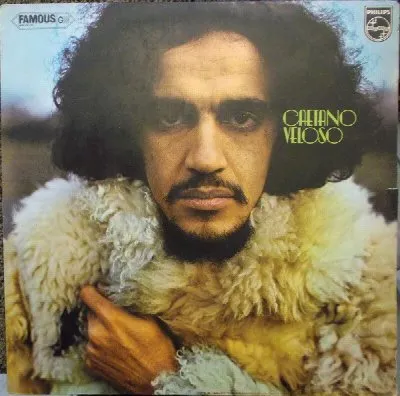
Caetano Veloso
Caetano Veloso · 1969
41 min · 12 tracks · música popular brasileira
A vibrant tapestry of Brazilian rhythms and poetic lyricism that encapsulates the spirit of cultural resistance in the late 1960s.
Top tracks — play these first
-
→
Irene Start here — The opening track sets a dreamy tone with its lush instrumentation and introspective lyrics, encapsulating the album's blend of personal reflection and broader cultural commentary.
-
→
Atrás do trio elétrico — This song captures the essence of Brazilian carnival culture while cleverly critiquing societal norms, making it a standout example of Veloso's lyrical ingenuity.
-
→
Cambalache — A bold reinterpretation of an old tango piece that critiques moral relativism, this track showcases Veloso's wit and social awareness, reinforcing his role as a cultural provocateur.
Elevation
Our rating, out of 100 — and why.
AI-generated from five scored dimensions. An opinion, not a measurement.
This album showcases strong songwriting and unique rhythms, reflecting its cultural significance during a turbulent time in Brazil.
What we noticed
- The album opens with a gentle acoustic guitar and vocal arrangement in 'Irene', setting a reflective tone that persists through the first half.
- Several tracks feature intricate rhythmic patterns, such as 'Atrás do trio elétrico', which incorporates traditional Brazilian percussion alongside modern instrumentation.
- The lyrics often blend personal narrative with social commentary, particularly evident in 'Cambalache' where the structure shifts between spoken word and melodic phrases.
- Composition 25% of the score
-
8/10
- Craft 20% of the score
-
7/10
- Durability 25% of the score
-
6/10
- Distinctiveness 18% of the score
-
8/10
- Sequencing 12% of the score
-
7/10
the writing — melody, harmony, structure, lyrics
production, performance, arrangement
whether it rewards returning to it
whether it sounds like itself
running order, pacing, length
Defined its genre or moment. Reported but not counted — how far a record travelled describes its reception rather than the record, and a newer release has had less time to travel than an older one.
Is this for you?
Good fit if you like
- steady melodic journey throughout
- poetic lyrics for reflection
- vibrant sounds of nostalgia
- for afternoon relaxation
Maybe skip if you
- seeking high-energy tracks
- prefer straightforward structures
Where this album fits
- In the catalog
- Breakthrough — This album solidified Veloso's reputation and role in the Tropicália movement.
- Themes
- Brazilian carnival spirit· tropicalia experimentation· military dictatorship critique
- Career context
- Released in early 1969, this self-titled album marked Caetano Veloso's return to Brazil after his controversial exile due to political repression. It followed his breakthrough record 'Tropicália: Ou Panis et Circenses' and showcased his evolution as a leading figure in the Tropicália movement, blending traditional Brazilian music with international influences.
- Stylistic neighbors
- Gilberto Gil· Maria Bethânia· Os Mutantes
Tracklist
- 1 Irene Start here 3:48
- 2 The Empty Boat 4:15
- 3 Marinheiro só 3:29
- 4 Lost in the Paradise 3:27
- 5 Atrás do trio elétrico 2:45
- 6 Os Argonautas 2:47
- 7 Carolina 2:38
- 8 Cambalache 2:31
- 9 Não identificado 4:03
- 10 Chuvas de verão 2:51
- 11 Acrilírico 3:01
- 12 Alfômega 5:57
If this landed
Records by other artists that run on the same instinct.
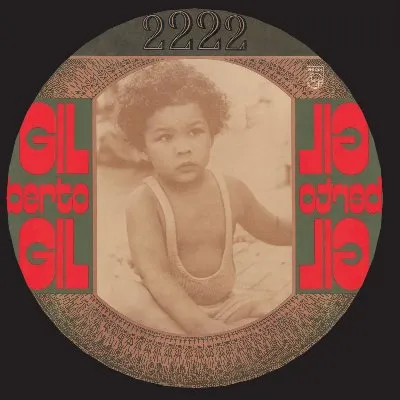
Expresso 2222
Gilberto Gil
Shares the same tropicalia spirit and political critique, blending Brazilian rhythms with rock influences.
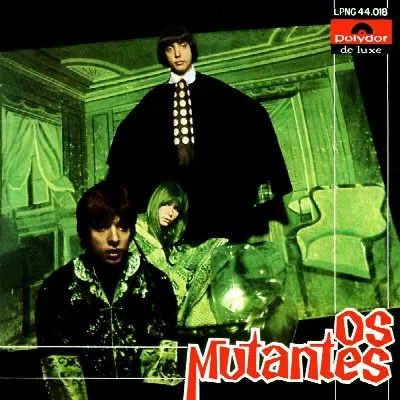
Os Mutantes
Os Mutantes
Offers a similar eclectic instrumentation and experimental approach within the tropicalia movement.
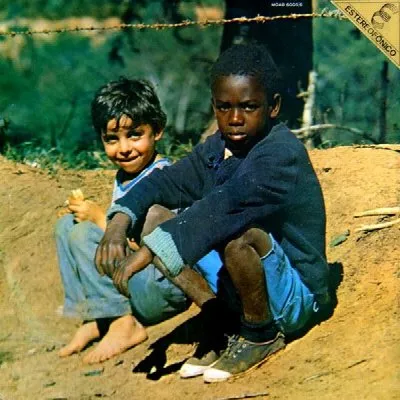
Clube da Esquina
Milton Nascimento
Combines poetic lyrics with rich Brazilian sounds, reflecting on cultural identity and social themes.
Reference: Wikipedia · MusicBrainz · Wikidata
Sync your library
Everything you track here works immediately — no account needed. Create one when you want to sync across devices.