

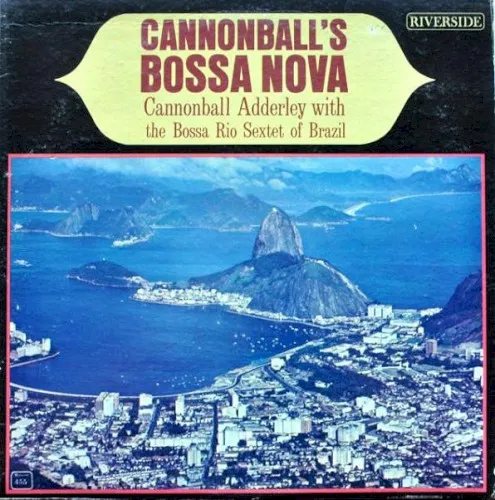
Cannonball's Bossa Nova
Cannonball Adderley · 1962
45 min · 10 tracks · jazz
Adderley’s exuberant saxophone rides the light, syncopated sway of a Brazilian rhythm section.
Top tracks — play these first
-
→
Once I Loved Start here — The extended opening gives Adderley room to stretch over the Brazilian rhythm section, establishing the balance between improvisational drive and bossa nova’s lighter pulse.
-
→
Minha saudade — This compact performance puts the ensemble’s rhythmic finesse in focus, with Mendes’s piano helping keep the music buoyant rather than hurried.
-
→
Corcovado (take 8) — The Jobim standard offers a more spacious setting for Adderley’s phrasing; the presence of another take on this edition also invites comparison between performances.
-
→
Sambop — Its blend of samba rhythm and bop-oriented improvisation makes the musical conversation at the center of the album especially easy to hear.
Elevation
Our rating, out of 100 — and why.
AI-generated from five scored dimensions. An opinion, not a measurement.
InstrumentalCannonball’s animated alto finds room inside unhurried bossa grooves, and the concise original program holds together; its writing is strong but works within an established jazz-b…
What we noticed
- The album sets Cannonball’s alto against softly cycling bossa rhythms; the groove stays light even when his lines grow busier.
- The catalogued sequence repeats both “Clouds” and “Corcovado” as alternate takes; those duplicates are session material, not part of the original LP’s pacing.
- The tunes move between Brazilian standards and samba compositions, while the rhythm section keeps the pulse restrained rather than pushing toward a hard swing.
- Composition 25% of the score
-
7/10
- Craft 20% of the score
-
8/10
- Durability 25% of the score
-
7/10
- Distinctiveness 18% of the score
-
6/10
- Sequencing 12% of the score
-
7/10
the writing — melody, harmony, structure, lyrics
production, performance, arrangement
whether it rewards returning to it
whether it sounds like itself
running order, pacing, length
Known within its scene. Reported but not counted — how far a record travelled describes its reception rather than the record, and a newer release has had less time to travel than an older one.
Is this for you?
Good fit if you like
- breezy midlength listening stretches
- samba titles and shifting takes
- unhurried moods with concise turns
- alternate takes for close comparison
Maybe skip if you
- want every track to feel
- prefer an urgent, high-pressure pace
Where this album fits
- In the catalog
- Deep Cut — A catalog detour into bossa nova, offering a distinct, relaxed setting alongside his straight-ahead jazz albums.
- Themes
- Brazilian bossa nova· samba-bop exchange· Rio de Janeiro rhythms· light syncopated pulse
- Career context
- Recorded in 1962, Cannonball's Bossa Nova found Adderley bringing his hard-bop vocabulary into contact with a younger generation of Brazilian musicians. Pianist Sérgio Mendes and members of his Bossa Rio group joined him for the sessions, several years before Mendes’s breakthrough with Brasil ’66.
- Stylistic neighbors
- John Coltrane· Wayne Shorter· Miles Davis
Tracklist
- 1 Once I Loved Start here 7:47
- 2 Minha saudade 2:20
- 3 Clouds (take 5) 2:40
- 4 Clouds (take 7) 4:49
- 5 Groovy Samba 4:56
- 6 Joyce’s Samba 3:15
- 7 Corcovado (take 8) 6:43
- 8 Corcovado (take 6) 5:35
- 9 Sambop 3:32
- 10 Batida diferente 3:25
What to play next
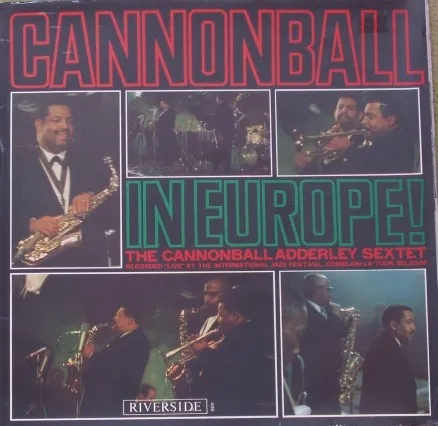
Cannonball in Europe!
1962
Its live quintet energy shifts from the relaxed bossa groove while keeping Cannonball's melodic, swinging saxophone f...
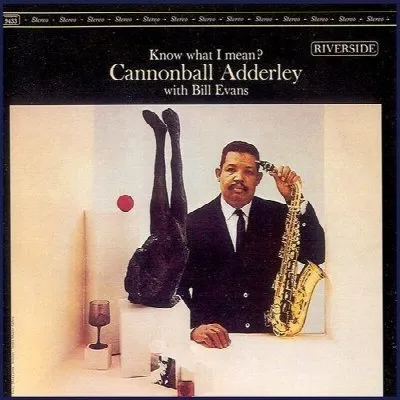
Know What I Mean?
1962
Its polished, melodic small-group sound makes a natural lead-in to the softer bossa textures.
If this landed
Records by other artists that run on the same instinct.
Reference: Wikipedia · MusicBrainz · Wikidata
Sync your library
Everything you track here works immediately — no account needed. Create one when you want to sync across devices.