

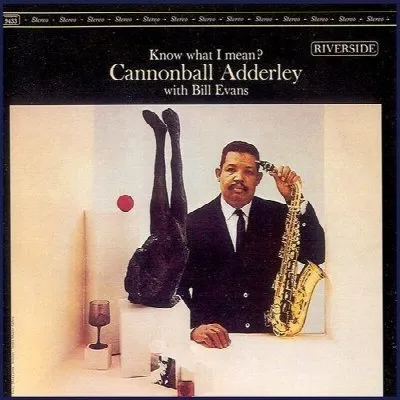
Know What I Mean?
Cannonball Adderley · 1962
53 min · 10 tracks · jazz
Adderley's warm alto saxophone meets Bill Evans's introspective piano in a quartet that makes hard bop feel unusually intimate.
Top tracks — play these first
-
→
Waltz for Debby Start here — Evans brings one of his signature compositions to the session, giving Adderley a graceful melody that suits the quartet's conversational approach.
-
→
Goodbye — The standard gives Adderley room to linger over a ballad, with Evans's piano supporting the alto's tender, unhurried phrasing.
-
→
Elsa — Earl Zindars's composition draws out the affinities between Evans's harmonic sensitivity and Adderley's singing tone.
-
→
Know What I Mean? — The title track offers a more relaxed, blues-inflected counterweight to the ballads, letting the quartet sound at ease without losing its subtlety.
Elevation
Our rating, out of 100 — and why.
AI-generated from five scored dimensions. An opinion, not a measurement.
InstrumentalThe standards gain character from the poised alto-piano interplay, while the consistent, unhurried pacing makes the original eight-track program hang together.
What we noticed
- The original eight-track sequence moves through standards such as “Waltz for Debby,” “Goodbye,” and “Nancy” before closing on the title piece.
- Adderley’s alto and Bill Evans’s piano share the foreground; the bass and drums keep the accompaniment restrained rather than driving the solos hard.
- The catalogued final two tracks are alternate takes of “Who Cares” and the title track, appended after the original eight-track program.
- Composition 25% of the score
-
7/10
- Craft 20% of the score
-
9/10
- Durability 25% of the score
-
8/10
- Distinctiveness 18% of the score
-
7/10
- Sequencing 12% of the score
-
8/10
the writing — melody, harmony, structure, lyrics
production, performance, arrangement
whether it rewards returning to it
whether it sounds like itself
running order, pacing, length
Known within its scene. Reported but not counted — how far a record travelled describes its reception rather than the record, and a newer release has had less time to travel than an older one.
Where this album fits
- In the catalog
- Fan Favorite — Its intimate, lyrical collaboration with Bill Evans makes it a cherished pick for listeners exploring Adderley's cata...
- Themes
- Bill Evans–Cannonball reunion· waltz-time ballads· blues-inflected quartet
- Career context
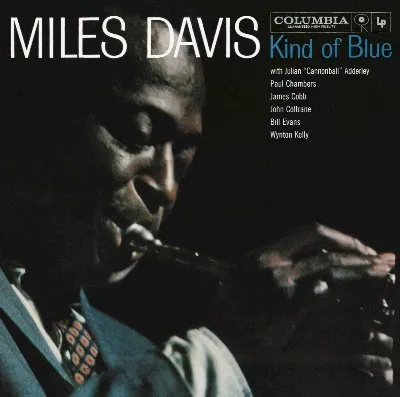
- Released in 1962, Know What I Mean? reunited Cannonball Adderley with pianist Bill Evans after their work together in Miles Davis's band, including on Kind of Blue. By this point Adderley was also leading his own successful quintet with his brother Nat; here he joined Evans, bassist Percy Heath and drummer Connie Kay in a more intimate quartet setting.
- Stylistic neighbors
- John Coltrane· Wayne Shorter· Miles Davis
Tracklist
- 1 Waltz for Debby Start here 5:14
- 2 Goodbye 6:12
- 3 Who Cares 5:53
- 4 Venice 2:51
- 5 Toy 5:05
- 6 Elsa 5:48
- 7 Nancy (with the Laughing Face) 4:07
- 8 Know What I Mean? 4:55
- 9 Who Cares (alternate version) 5:54
- 10 Know What I Mean? (first version) 7:01
What to play next
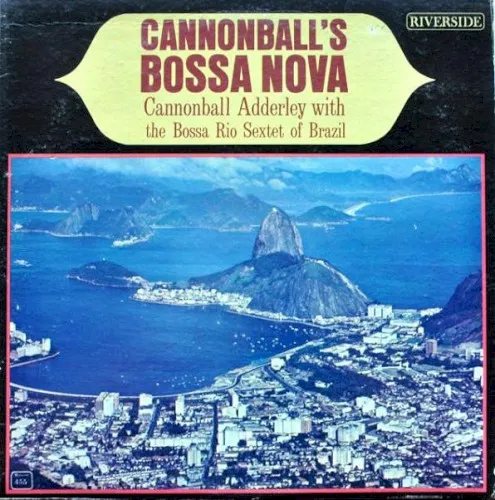
Cannonball's Bossa Nova
1962
Keeps the relaxed small-group sound but introduces a lighter Brazilian groove for a fresh turn.
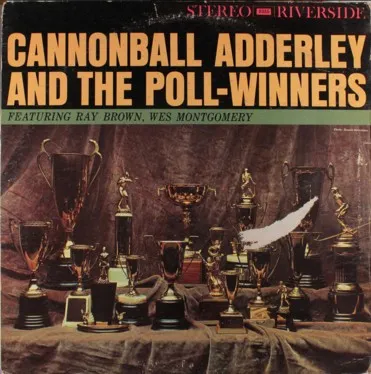
Cannonball Adderley and the Poll-Winners
1961
Its intimate small-combo interplay leads naturally into the more spacious, lyrical feel here.
If this landed
Records by other artists that run on the same instinct.
Reference: Wikipedia · MusicBrainz · Wikidata
Sync your library
Everything you track here works immediately — no account needed. Create one when you want to sync across devices.