

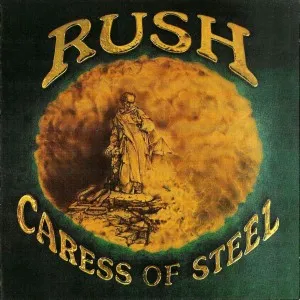
Caress of Steel
Rush · 1975
45 min · 5 tracks · alternative rock
A sprawling exploration of progressive rock, blending intricate instrumentation with philosophical themes and emotive storytelling.
Top tracks — play these first
-
→
Bastille Day Start here — This track captures the band's early blend of hard rock energy and lyrical depth, reflecting themes of revolution and freedom that resonate throughout the album.
-
→
The Necromancer: I. Into the Darkness / II. Under the Shadow / III. Return of the Prince — As a multi-part suite, this song illustrates Rush's storytelling prowess and intricate musicality, showcasing their ability to weave complex narratives through music.
-
→
The Fountain of Lamneth: I. In the Valley / II. Didacts and Narpets / III. No One at the Bridge / IV. Panacea / V. Bacchus Plateau / VI. The Fountain — This epic track serves as a culmination of the album's themes, offering a deep dive into existential reflection through its varied sections and dynamic shifts in sound.
Elevation
Our rating, out of 100 — and why.
AI-generated from five scored dimensions. An opinion, not a measurement.
The album's ambitious structure and thematic depth mark it as a significant step in Rush's evolution towards progressive rock.
What we noticed
- The album features two lengthy multi-part tracks, 'The Necromancer' and 'The Fountain of Lamneth', which each explore distinct narrative themes across several sections.
- The first three tracks are shorter and more straightforward in structure, providing contrast to the expansive nature of the longer pieces.
- Composition 25% of the score
-
7/10
- Craft 20% of the score
-
6/10
- Durability 25% of the score
-
6/10
- Distinctiveness 18% of the score
-
7/10
- Sequencing 12% of the score
-
5/10
the writing — melody, harmony, structure, lyrics
production, performance, arrangement
whether it rewards returning to it
whether it sounds like itself
running order, pacing, length
Significant within its genre. Reported but not counted — how far a record travelled describes its reception rather than the record, and a newer release has had less time to travel than an older one.
Is this for you?
Good fit if you like
- gradual build to epic climax
- immersive narrative exploration
- thoughtful reflections on life
- engaging lyrical intricacies
- early morning contemplative sessions
Maybe skip if you
- prefers concise, catchy tracks
- seeks immediate musical gratification
Where this album fits
- In the catalog
- Breakthrough — Marked Rush's transition to progressive rock, gaining wider recognition.
- Themes
- Bastille Day revolution· mythical storytelling
- Career context
- Released on September 24, 1975, Caress of Steel was Rush's third album, following their self-titled debut and Fly by Night. At this point in their career, the band was beginning to establish their distinctive sound characterized by complex arrangements and thought-provoking lyrics, setting the stage for their later, more ambitious works.
- Stylistic neighbors
- Yes· King Crimson· Genesis
Tracklist
- 1 Bastille Day Start here 4:40
- 2 I Think I’m Going Bald 3:41
- 3 Lakeside Park 4:10
- 4 The Necromancer: I. Into the Darkness / II. Under the Shadow / III. Return of the Prince 12:32
- 5 The Fountain of Lamneth: I. In the Valley / II. Didacts and Narpets / III. No One at the Bridge / IV. Panacea / V. Bacchus Plateau / VI. The Fountain 19:57
If this landed
Records by other artists that run on the same instinct.
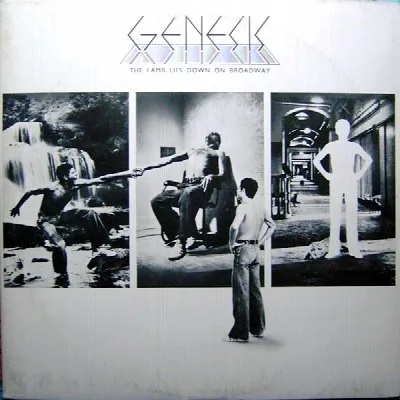
The Lamb Lies Down on Broadway
Genesis
Both share intricate compositions and a narrative-driven approach to storytelling.
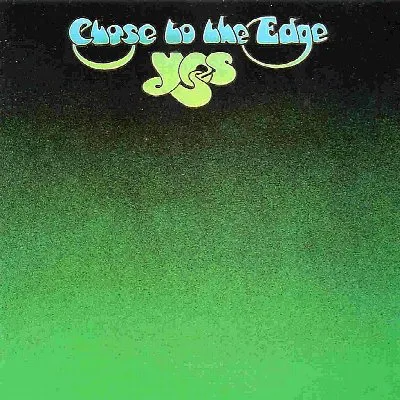
Close to the Edge
Yes
Features complex arrangements and philosophical themes, creating an expansive sonic landscape.
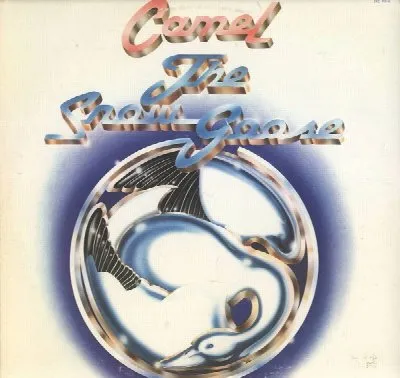
The Snow Goose
Camel
Combines progressive rock instrumentation with emotive storytelling in a conceptual format.
Reference: Wikipedia · MusicBrainz · Wikidata
Sync your library
Everything you track here works immediately — no account needed. Create one when you want to sync across devices.