

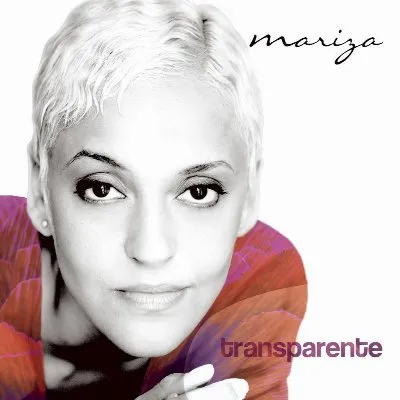
Top tracks — play these first
-
→
Meu fado meu — This track encapsulates Mariza’s powerful vocal delivery and emotional depth, representing the essence of fado while connecting it to contemporary themes.
-
→
Quando me sinto só — With its introspective lyrics and poignant melody, this song showcases Mariza's ability to convey vulnerability and longing through her music.
-
→
Duas lágrimas de orvalho — This track stands out for its delicate instrumentation and lyrical imagery, highlighting the fusion of traditional fado with modern sensibilities.
Elevation
Our rating, out of 100 — and why.
AI-generated from five scored dimensions. An opinion, not a measurement.
Castaño oscuro blends traditional fado with contemporary elements, showcasing strong craftsmanship and emotional resonance.
- Composition 25% of the score
-
7/10
- Craft 20% of the score
-
8/10
- Durability 25% of the score
-
6/10
- Distinctiveness 18% of the score
-
7/10
- Sequencing 12% of the score
-
6/10
the writing — melody, harmony, structure, lyrics
production, performance, arrangement
whether it rewards returning to it
whether it sounds like itself
running order, pacing, length
Significant within its genre. Reported but not counted — how far a record travelled describes its reception rather than the record, and a newer release has had less time to travel than an older one.
Is this for you?
Good fit if you like
- steady, consistent energy levels
- emotional storytelling and depth
- introspective late-night listening
- immersive journey through emotions
Where this album fits
- Career context
- Castaño oscuro is Mariza's third studio album, released in 2005 following her breakthrough with Fado em Mim in 2001 and the critically acclaimed Segundo in 2003. By this point, she was solidifying her status as a leading figure in modern fado, blending traditional sounds with fresh influences.
- Stylistic neighbors
- Ana Moura· Cristina Branco· Dulce Pontes
Moments worth listening for
Where the writing does something specific.
-
Há uma música do povo
The moment shifts from communal celebration to a personal reflection on identity and belonging within the broader cultural context.
This transition underscores the connection between individual experiences and collective heritage, emphasizing how personal stories are woven into the fabric of communal music.
Tracklist
Best experienced from track one — press play and let it unfold.
- 1 Há uma música do povo 3:11
- 2 Meu fado meu 3:26
- 3 Recusa 2:17
- 4 Quando me sinto só 2:57
- 5 Montras 3:34
- 6 Há palavras que nos beijam 2:53
- 7 Transparente 2:30
- 8 Fado português de nós 2:24
- 9 Malmequer 3:10
- 10 Medo 3:11
- 11 Toada do desengano 3:35
- 12 Fado tordo 2:12
- 13 Duas lágrimas de orvalho 2:36
- 14 Desejos vãos 3:30
Reference: Wikipedia · MusicBrainz · Wikidata
Sync your library
Everything you track here works immediately — no account needed. Create one when you want to sync across devices.