

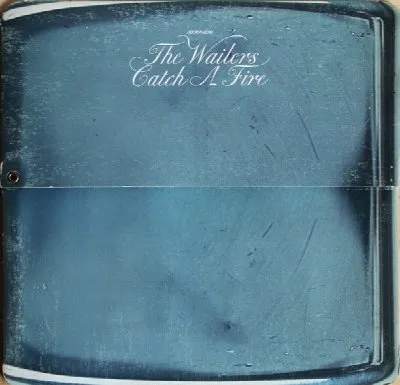
Catch a Fire
Bob Marley & The Wailers · 1973
36 min · 9 tracks · reggae
A fusion of soulful melodies and socially conscious lyrics, underscored by a laid-back guitar and rhythmic percussion.
Top tracks — play these first
-
→
Concrete Jungle Start here — The opening track sets a tone of urban struggle with its haunting lyrics and compelling instrumentation, establishing Marley's lyrical prowess early on.
-
→
Slave Driver — This song confronts historical injustices with an urgent plea for freedom, showcasing Marley's ability to weave personal and collective narratives into his music.
-
→
Stir It Up — 'Stir It Up' highlights Marley's romantic side while incorporating smooth rhythms that would become synonymous with his later work, making it a recognizable classic.
-
→
No More Trouble — With its defiant message against oppression, this track encapsulates the socio-political themes prevalent throughout the album, anchoring its revolutionary spirit.
Elevation
Our rating, out of 100 — and why.
AI-generated from five scored dimensions. An opinion, not a measurement.
Catch a Fire effectively blends reggae rhythms with soulful melodies, marking a significant moment in music history.
What we noticed
- The album opens with a strong rhythmic foundation, using syncopated guitar and bass lines that establish the reggae groove immediately.
- Vocals are layered with harmonies throughout, particularly in tracks like 'Stir It Up' and 'No More Trouble', enhancing the soulful quality of the melodies.
- Composition 25% of the score
-
8/10
- Craft 20% of the score
-
8/10
- Durability 25% of the score
-
7/10
- Distinctiveness 18% of the score
-
8/10
- Sequencing 12% of the score
-
6/10
the writing — melody, harmony, structure, lyrics
production, performance, arrangement
whether it rewards returning to it
whether it sounds like itself
running order, pacing, length
Defined its genre or moment. Reported but not counted — how far a record travelled describes its reception rather than the record, and a newer release has had less time to travel than an older one.
Is this for you?
Good fit if you like
- steady rhythmic journey throughout
- sunset gathering with friends
- uplifting grooves for dancing
- reflective moments on the porch
Maybe skip if you
- prefer faster-paced listening
- seek standalone hit singles
Where this album fits
- In the catalog
- Breakthrough — First major label album that established Marley's international presence.
- Themes
- Jamaican struggle· reggae revolution· political unrest
- Career context
- Released in 1973, Catch a Fire was Bob Marley & The Wailers' first major label album, marking their international breakthrough. At this point, Marley had established a strong following in Jamaica, but this album propelled their sound into the global music scene, setting the stage for future successes.
- Stylistic neighbors
- Peter Tosh· Bunny Wailer· Burning Spear
Moments worth listening for
Where the writing does something specific.
-
Slave Driver
The singer directly addresses the oppressor with a call for justice and change.
This direct address creates an immediate emotional impact, emphasizing the urgency of liberation in a way that connects personal pain to broader social issues.
Tracklist
- 1 Concrete Jungle Start here 4:14
- 2 Slave Driver 2:54
- 3 400 Years 2:46
- 4 Stop That Train 3:56
- 5 Baby We've Got a Date (Rock It Baby) 3:58
- 6 Stir It Up 5:34
- 7 Kinky Reggae 3:39
- 8 No More Trouble 3:59
- 9 Midnight Ravers 5:08
What to play next
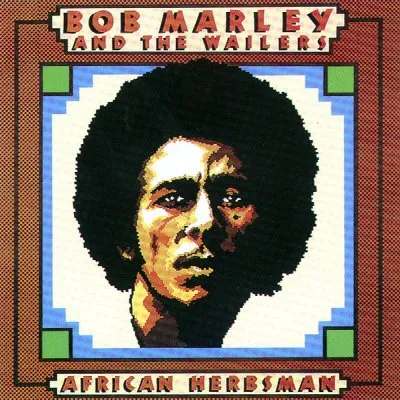
African Herbsman
1973
Continues the reggae vibe with deeper lyrical themes and rich instrumentation.

Stir It Up
1972
If this landed
Records by other artists that run on the same instinct.
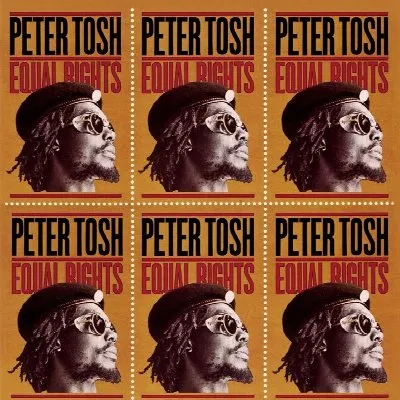
Equal Rights
Peter Tosh
Shares the same themes of social justice and political resistance through reggae's vibrant sound.
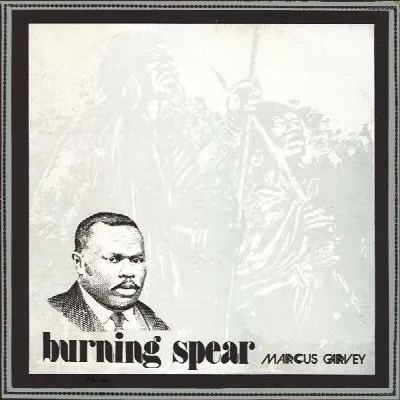
Marcus Garvey
Burning Spear
Focuses on Jamaican history and identity, blending spiritual depth with roots reggae melodies.
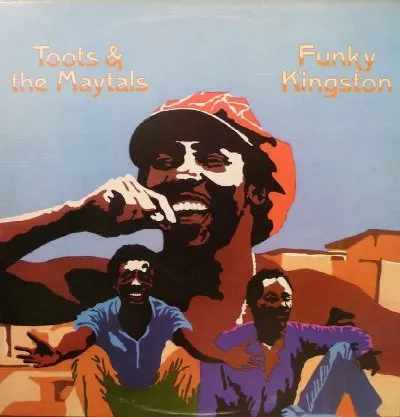
Funky Kingston
Toots and the Maytals
Combines upbeat reggae rhythms with soulful vocals, reflecting the cultural vibrancy of Jamaica in the '70s.
Reference: Wikipedia · MusicBrainz · Wikidata
Sync your library
Everything you track here works immediately — no account needed. Create one when you want to sync across devices.