

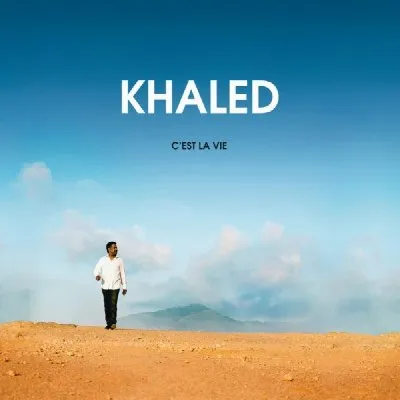
Top tracks — play these first
-
→
C'est la vie Start here — The bilingual lead single sets Khaled’s rasp against RedOne’s polished dance beat, making the album’s crossover ambitions immediately audible.
-
→
Hiya hiya — A guest appearance by Pitbull pushes Khaled’s party music toward international club-pop, with the two performers trading contrasting vocal energies.
-
→
El Harraga — Its subject of clandestine migration adds a more socially pointed perspective to an album often driven by celebration.
Elevation
Our rating, out of 100 — and why.
AI-generated from five scored dimensions. An opinion, not a measurement.
The album blends traditional raï with pop, featuring strong melodies and varied tempos.
What we noticed
- Several tracks incorporate traditional raï instruments alongside modern pop elements, creating a fusion sound.
- The last three tracks slow down the tempo significantly, providing a contrast to the energetic opening songs.
- Composition 25% of the score
-
7/10
- Craft 20% of the score
-
6/10
- Durability 25% of the score
-
5/10
- Distinctiveness 18% of the score
-
7/10
- Sequencing 12% of the score
-
6/10
the writing — melody, harmony, structure, lyrics
production, performance, arrangement
whether it rewards returning to it
whether it sounds like itself
running order, pacing, length
Significant within its genre. Reported but not counted — how far a record travelled describes its reception rather than the record, and a newer release has had less time to travel than an older one.
Is this for you?
Good fit if you like
- celebratory tunes for gatherings
- steady rhythm for dancing
- joyful vibes for sunny days
- uplifting tracks for road trips
Maybe skip if you
- seeking slow, introspective moments
- prefer aggressive, high-energy beats
Where this album fits
- In the catalog
- Breakthrough — Established Khaled's status as the 'King of Raï' with significant commercial success.
- Themes
- global raï fusion· celebratory dance parties· nostalgic love stories
- Career context
- Released in 2012, C'est la vie followed Khaled’s 2009 album Liberté. By then the Algerian singer had spent decades bringing raï to international audiences; here he worked with pop producer RedOne on a more overtly club-oriented sound.
- Stylistic neighbors
- Rachid Taha· Cheb Mami· Nass El Ghiwane
Moments worth listening for
Where the writing does something specific.
-
C'est la vie
The refrain alternates between French and Arabic as it returns to an invitation to celebrate.
The language switches make the hook a meeting point between Khaled’s raï roots and the record’s French pop setting.
Tracklist
- 1 C'est la vie Start here 3:50
- 2 Hiya hiya 3:25
- 3 Encore une fois 3:27
- 4 Ana âacheck 3:09
- 5 Dima labess 2:50
- 6 Elle est partie 3:29
- 7 Laila 4:21
- 8 Andalucia 3:13
- 9 El Harraga 3:23
- 10 Bab Jenna 4:13
- 11 Wili wili 3:58
- 12 Samira 4:09
What to play next
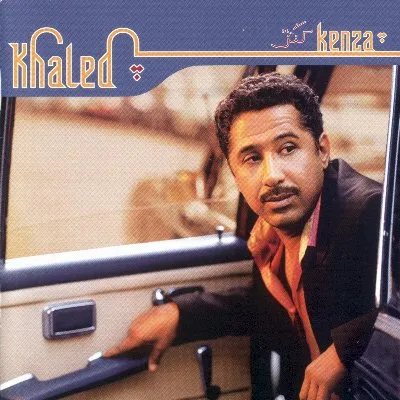
Kenza
1999
Continues the vibrant blend of raï and pop with engaging melodies.
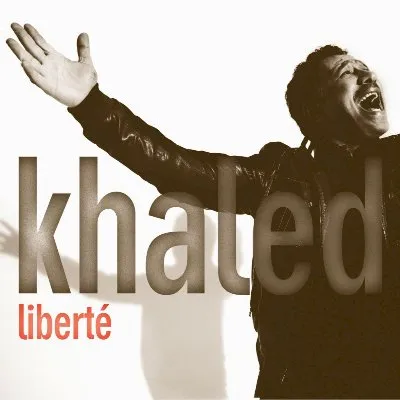
Liberté
2009
Sets the stage with a mix of traditional and modern sounds that lead into C'est la vie.
If this landed
Records by other artists that run on the same instinct.
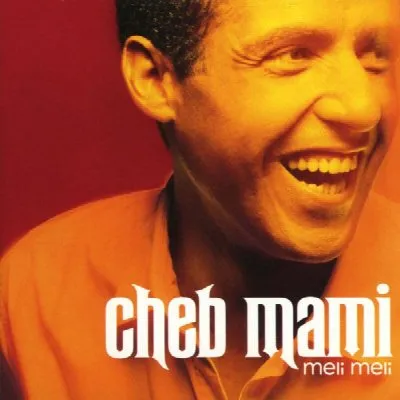
Meli Meli
Cheb Mami
Pairs raï melodies and romantic longing with polished pop production and international dance rhythms.
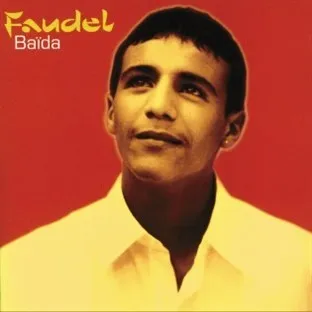
Baïda
Faudel
Shares a buoyant, pop-facing raï sound and heartfelt love songs aimed at a broad audience.
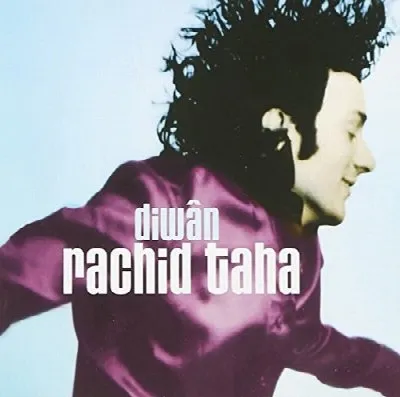
Diwân
Rachid Taha
Reworks Algerian song traditions with modern production, balancing nostalgia with an outward-looking sound.
Reference: Wikipedia · MusicBrainz · Wikidata
Sync your library
Everything you track here works immediately — no account needed. Create one when you want to sync across devices.