

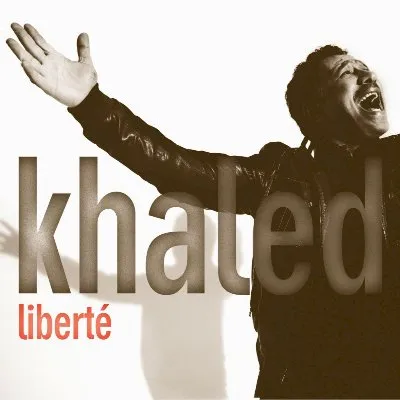
Top tracks — play these first
-
→
Hiya Ansadou Start here — Following its own short introduction, the opening full-length song establishes the album’s patient pacing and foregrounds the expressive turns of Khaled’s voice.
-
→
Gnaoui — Its title points toward the North African Gnawa tradition, while its extended running time gives the rhythmic performance space to develop.
-
→
Zabana — At over eight minutes, this is the album’s longest track; its subject, Algerian independence figure Ahmed Zabana, brings historical memory into the record.
-
→
Liberté — The title track arrives after a separate introduction, making its entrance feel deliberately staged and placing the idea of freedom at the record’s center.
Elevation
Our rating, out of 100 — and why.
AI-generated from five scored dimensions. An opinion, not a measurement.
Khaled's 'Liberté' showcases a strong fusion of styles with effective execution but lacks a tight cohesion across its extensive tracklist.
What we noticed
- The album features multiple tracks that blend traditional raï melodies with jazz instrumentation, creating a unique soundscape.
- Several tracks include spoken word intros that set the thematic tone before transitioning into full musical pieces.
- The use of call-and-response vocal techniques is prominent, reflecting both cultural roots and contemporary influences.
- Composition 25% of the score
-
7/10
- Craft 20% of the score
-
8/10
- Durability 25% of the score
-
6/10
- Distinctiveness 18% of the score
-
7/10
- Sequencing 12% of the score
-
5/10
the writing — melody, harmony, structure, lyrics
production, performance, arrangement
whether it rewards returning to it
whether it sounds like itself
running order, pacing, length
Known within its scene. Reported but not counted — how far a record travelled describes its reception rather than the record, and a newer release has had less time to travel than an older one.
Is this for you?
Good fit if you like
- dynamic emotional journeys
- long, immersive listening sessions
- wave-like pacing experiences
- reflective moments of contemplation
Where this album fits
- In the catalog
- Late Career Highlight — Shows continued relevance and innovation in Khaled's sound, solidifying his status.
- Themes
- Algerian roots· cultural expression· celebratory rhythms
- Career context
- Released in 2009, Liberté followed Khaled’s 2004 album Ya-Rayi after a five-year gap between studio albums. By then, the Algerian singer had spent decades bringing raï to audiences beyond North Africa, including through his international breakthrough with Didi in the early 1990s.
- Stylistic neighbors
- Rachid Taha· Cheb Mami· Nass El Ghiwane
Tracklist
- 1 Hiya Ansadou (intro) 1:23
- 2 Hiya Ansadou Start here 4:49
- 3 Raikoum (intro) 1:20
- 4 Raikoum 4:50
- 5 Ya Bouya Kirani 6:23
- 6 Gnaoui 5:39
- 7 Zabana 8:19
- 8 Liberté (intro) 2:41
- 9 Liberté 4:33
- 10 Soghri 4:35
- 11 Sidi Rabbi 5:35
- 12 Yamina (intro) 2:27
- 13 Yamina 4:20
- 14 Papa 5:24
- 15 Sbabi Ntya 4:44
- 16 Ya Minoun (intro) 1:12
- 17 Ya Minoun 4:54
What to play next
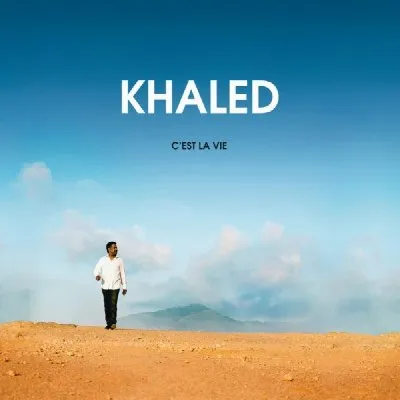
C'est la vie
2012
Continues the blend of pop and raï with a fresh, upbeat energy.
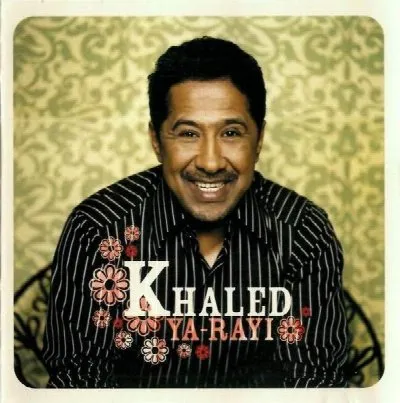
Ya-Rayi
2004
Sets the stage with a mix of traditional and contemporary sounds.
If this landed
Records by other artists that run on the same instinct.
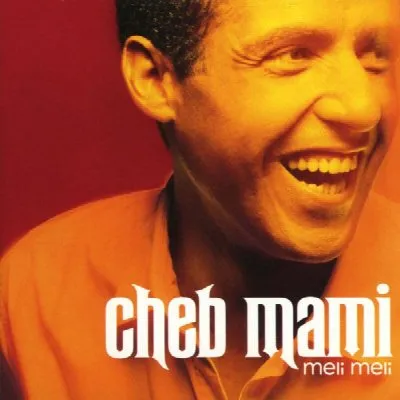
Meli Meli
Cheb Mami
Pairs Algerian raï melodies and expressive vocals with polished pop production and buoyant rhythms.
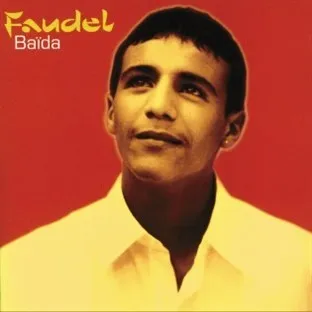
Baïda
Faudel
Shares a celebratory pop-raï blend, with Algerian melodic roots carried by an energetic vocal performance.
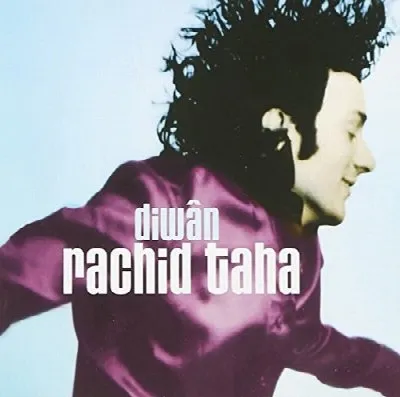
Diwân
Rachid Taha
Reworks Algerian song traditions with modern arrangements, foregrounding cultural roots and rhythmic drive.
Reference: Wikipedia · MusicBrainz · Wikidata
Sync your library
Everything you track here works immediately — no account needed. Create one when you want to sync across devices.