

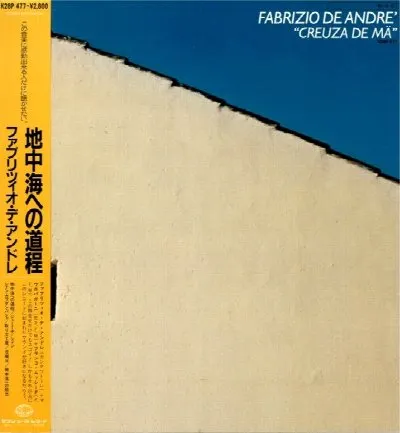
Crêuza de mä
Fabrizio De André · 1984
33 min · 7 tracks · traditional folk music
Genoese voices ride a tide of Mediterranean percussion and plucked strings, making the waterfront feel both ancient and startlingly immediate.
Top tracks — play these first
-
→
Crêuza de mä Start here — The opening track sets sailors’ homeward journey against a buoyant, percussion-led arrangement, establishing the album’s coastal world as both a working place and a crossroads.
-
→
Sidún — A father’s lament for his child brings the violence of the Lebanon war into close focus, with the extended arrangement giving grief room to unfold.
-
→
Sinàn Capudàn Pascià — The story of a Genoese-born Ottoman admiral turns Mediterranean history into a vivid character portrait, carried by a rhythm that suggests movement between ports and cultures.
-
→
 duménega — Its lively procession follows sex workers through a Sunday outing, using a public spectacle to expose the hypocrisy of the respectable townspeople watching them.
Elevation
Our rating, out of 100 — and why.
AI-generated from five scored dimensions. An opinion, not a measurement.
The album's lyrical depth and cohesive sound create a strong cultural resonance, marking it as a significant work in Italian folk music.
What we noticed
- Each track features intricate arrangements that blend traditional Ligurian instruments with modern production techniques, creating a rich soundscape.
- The lyrics are delivered in a conversational style, often weaving narratives that reflect local culture and history, enhancing the storytelling aspect.
- The album maintains a consistent tempo throughout, with only slight variations that mirror the emotional weight of the lyrics.
- Composition 25% of the score
-
8/10
- Craft 20% of the score
-
7/10
- Durability 25% of the score
-
8/10
- Distinctiveness 18% of the score
-
8/10
- Sequencing 12% of the score
-
9/10
the writing — melody, harmony, structure, lyrics
production, performance, arrangement
whether it rewards returning to it
whether it sounds like itself
running order, pacing, length
Significant within its genre. Reported but not counted — how far a record travelled describes its reception rather than the record, and a newer release has had less time to travel than an older one.
Is this for you?
Good fit if you like
- steady journey with emotional peaks
- poetic storytelling through rich melodies
- immersive experience for focused listening
- evocative instrumentation for reflective moments
Maybe skip if you
- seeking instant gratification
- prefer standalone hit tracks
Where this album fits
- In the catalog
- Breakthrough — First album in Ligurian dialect, expanding De André's recognition and influence.
- Themes
- Ligurian landscapes· Mediterranean history· folk storytelling
- Career context
- Released in 1984, Crêuza de mä followed Fabrizio De André’s 1981 album commonly known as L’indiano. Working with multi-instrumentalist and arranger Mauro Pagani, he made a record sung in Genoese and grounded in musical traditions from around the Mediterranean.
- Stylistic neighbors
- Lucinda Williams· Nick Drake· Leonard Cohen
Moments worth listening for
Where the writing does something specific.
-
Sidún
The lament addresses a dead child directly, placing a parent’s grief amid the destruction of the Lebanese city of Sidon.
Direct address makes a distant war legible through an intimate relationship rather than a detached account of events.
Tracklist
- 1 Crêuza de mä Start here 6:16
- 2 Jamín‐a 4:52
- 3 Sidún 6:25
- 4 Sinàn Capudàn Pascià 5:32
- 5 Â pittima 3:43
- 6 Â duménega 3:40
- 7 D’ä mê riva 3:04
What to play next
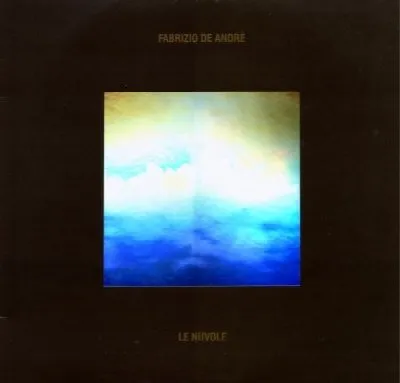
Le nuvole
1990
Continues the lyrical depth and folk influences, expanding on themes of nostalgia.
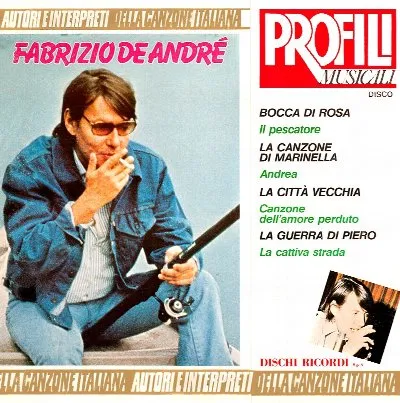
Profili Musicali: Fabrizio De André
1982
If this landed
Records by other artists that run on the same instinct.
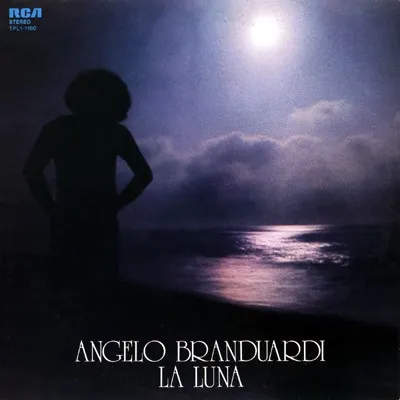
La luna
Angelo Branduardi
Explores similar Italian folk traditions with intricate melodies and poetic storytelling.
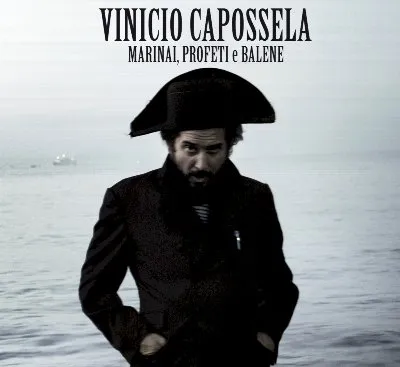
Marinai, profeti e balene
Vinicio Capossela
Combines Mediterranean themes with rich narratives and a diverse sonic palette.
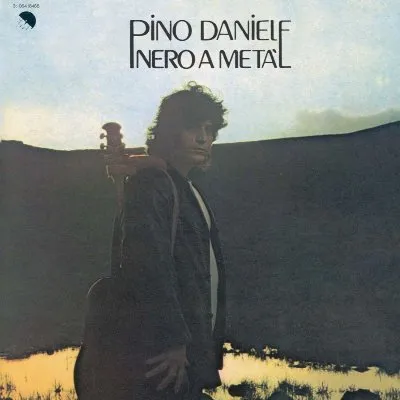
Nero a metà
Pino Daniele
Merges traditional Neapolitan sounds with evocative lyrics and a strong sense of place.
Reference: Wikipedia · MusicBrainz · Wikidata
Sync your library
Everything you track here works immediately — no account needed. Create one when you want to sync across devices.