

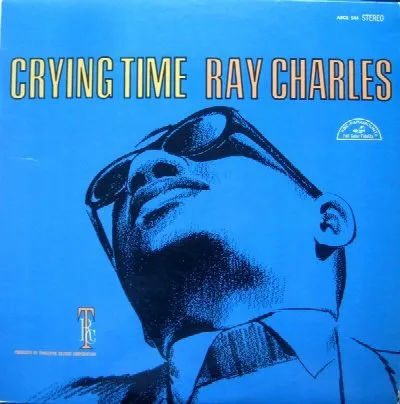
Released 60 years ago
Crying Time
Ray Charles · 1966
40 min · 12 tracks · blues
A soulful blend of blues and rhythm with heartfelt lyrics that echo the pain of lost love and heartache.
Top tracks — play these first
-
→
Crying Time Start here — The title track encapsulates the album's emotional core, featuring Charles' signature vocal delivery that conveys deep sorrow and longing. Its catchy melody combined with poignant lyrics exemplifies Ray's mastery of fusing personal narrative with universal themes.
-
→
Let’s Go Get Stoned — This track stands out for its playful yet somber take on escapism through substance use, showcasing a lighter side of Charles’ lyrical exploration while maintaining an underlying seriousness about life's struggles.
-
→
Going Down Slow — This rendition highlights Charles’ ability to convey melancholy with raw emotion, transforming a traditional blues song into a deeply personal reflection on aging and regret, resonating with listeners across generations.
-
→
Tears — The slow tempo and lush arrangement allow Charles’ voice to shine as he navigates the complexities of heartbreak, making it a standout moment on the album that showcases his vocal prowess.
Elevation
Our rating, out of 100 — and why.
AI-generated from five scored dimensions. An opinion, not a measurement.
Crying Time showcases Ray Charles' strong songwriting and emotional delivery within a cohesive blues framework.
What we noticed
- The first track features a slow, soulful piano introduction that sets a reflective mood, followed by Charles' emotive vocal delivery.
- Several tracks incorporate call-and-response elements between the lead vocals and background singers, enhancing the bluesy feel.
- Composition 25% of the score
-
7/10
- Craft 20% of the score
-
8/10
- Durability 25% of the score
-
6/10
- Distinctiveness 18% of the score
-
8/10
- Sequencing 12% of the score
-
7/10
the writing — melody, harmony, structure, lyrics
production, performance, arrangement
whether it rewards returning to it
whether it sounds like itself
running order, pacing, length
Significant within its genre. Reported but not counted — how far a record travelled describes its reception rather than the record, and a newer release has had less time to travel than an older one.
Is this for you?
Good fit if you like
- wave-like emotional dynamics
- bittersweet heartache reflections
- soulful moments of resilience
- intimate late-night listening
- melancholic yet uplifting vibes
Maybe skip if you
- prefer instant gratification tracks
- avoid slow-paced emotional depth
Where this album fits
- In the catalog
- Breakthrough — Crying Time contributed to Ray Charles' recognition and further established his reputation.
- Themes
- heartbreak resilience· gospel-infused sorrow
- Career context
- Released in 1966, Crying Time was Ray Charles' follow-up to his critically acclaimed album, Modern Sounds in Country and Western Music. At this point in his career, Charles was already a household name, having solidified his influence on the soul and R&B genres. This album continued to showcase his ability to blend different musical styles while further establishing his legacy as a pioneer of soul music.
- Stylistic neighbors
- Sam Cooke· Otis Redding· Aretha Franklin
Tracklist
- 1 Crying Time Start here 2:53
- 2 No Use Crying 3:13
- 3 Let’s Go Get Stoned 2:51
- 4 Going Down Slow 4:00
- 5 Peace of Mind 2:11
- 6 Tears 4:34
- 7 Drifting Blues 6:18
- 8 We Don’t See Eye to Eye 2:17
- 9 You’re in for a Big Surprise 3:30
- 10 You’re About to Lose Your Clown 1:53
- 11 Don’t You Think I Ought to Know 3:02
- 12 You’ve Got a Problem 3:25


If this landed
Records by other artists that run on the same instinct.
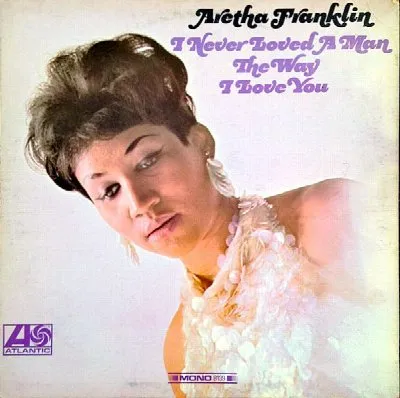
I Never Loved a Man the Way I Love You
Aretha Franklin
Shares deep emotional resonance with gospel influences and themes of heartache and strength.

The Dock of the Bay
Otis Redding
Captures similar soulful vulnerability and introspective reflections on love and loss.

Just as I Am
Bill Withers
Combines heartfelt storytelling with a blend of bluesy grooves and gospel undertones reflecting resilience.
Reference: Wikipedia · MusicBrainz · Wikidata
Sync your library
Everything you track here works immediately — no account needed. Create one when you want to sync across devices.