

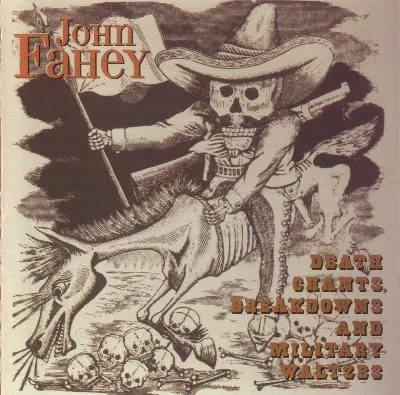
Death Chants, Breakdowns & Military Waltzes
John Fahey · 1964
79 min · 22 tracks · blues
A meditative blend of folk and blues, layered with intricate guitar work and introspective melodies reflecting America's musical landscape.
Top tracks — play these first
-
→
Sunflower River Blues — This track exemplifies Fahey's signature fingerpicking style and emotional depth, capturing the essence of American blues while intertwining personal narrative.
-
→
America — With its expansive sound and reflective tone, this piece serves as a profound commentary on the American experience, blending nostalgia with social observation.
-
→
John Henry Variations — This track showcases Fahey's experimental approach to traditional themes, reinterpreting the classic American story of John Henry through complex guitar arrangements.
Elevation
Our rating, out of 100 — and why.
AI-generated from five scored dimensions. An opinion, not a measurement.
The album showcases intricate guitar work and a blend of original and traditional pieces, though its redundancy affects cohesion.
What we noticed
- Several tracks employ a repetitive structure, allowing the listener to immerse themselves in the meditative quality of the music.
- The running time is extended by including multiple versions of the same songs, which creates a sense of exploration but may feel redundant.
- Composition 25% of the score
-
7/10
- Craft 20% of the score
-
8/10
- Durability 25% of the score
-
6/10
- Distinctiveness 18% of the score
-
7/10
- Sequencing 12% of the score
-
4/10
the writing — melody, harmony, structure, lyrics
production, performance, arrangement
whether it rewards returning to it
whether it sounds like itself
running order, pacing, length
Significant within its genre. Reported but not counted — how far a record travelled describes its reception rather than the record, and a newer release has had less time to travel than an older one.
Is this for you?
Good fit if you like
- reflective moments of solitude
- sun-kissed afternoon listening
- intricate fingerstyle guitar exploration
- melancholic yet uplifting themes
- short bursts of melodic charm
Maybe skip if you
- seeking high-energy engagement
- wanting instant gratification
Where this album fits
- In the catalog
- Breakthrough — Its early fingerstyle approach helped establish Fahey's reputation as a pioneering guitarist.
- Career context
- Released in early 1964, Death Chants, Breakdowns & Military Waltzes marked John Fahey's third studio album, solidifying his reputation as a pioneering figure in American primitive guitar. Following the critical success of his earlier works, this album showcased Fahey's unique style that combined traditional folk elements with avant-garde sensibilities, further establishing his influence in the burgeoning acoustic movement.
- Stylistic neighbors
- Leo Kottke· Bert Jansch· Nick Drake
Moments worth listening for
Where the writing does something specific.
-
America
The composition shifts from serene melodies to intense climaxes, mirroring the duality of American life.
This structural contrast emphasizes the complexities of identity and culture within America, making it a poignant reflection on societal themes.
Tracklist
Best experienced from track one — press play and let it unfold.
- 1 Sunflower River Blues 2:35
- 2 When the Springtime Comes Again 3:52
- 3 Stomping Tonight on the Pennsylvania/Alabama Border 6:58
- 4 Some Summer Day 3:22
- 5 On the Beach at Waikiki 2:57
- 6 Spanish Dance 1:55
- 7 John Henry Variations 5:42
- 8 The Downfall of the Adelphi Rolling Grist Mill 3:37
- 9 Take a Look at That Baby 1:26
- 10 Dance of the Inhabitants of the Palace of King Philip XIV of Spain 2:30
- 11 America 7:53
- 12 Episcopal Hymn 1:13
- 13 Sunflower River Blues 3:21
- 14 When the Springtime Comes Again 4:54
- 15 Stomping Tonight on the Pennsylvania/Alabama Border 5:35
- 16 Some Summer Day 3:26
- 17 On the Beach at Waikiki 2:40
- 18 Spanish Dance 2:06
- 19 John Henry Variations 5:13
- 20 Take a Look at That Baby 1:26
- 21 America 5:00
- 22 Episcopal Hymn 1:23
What to play next
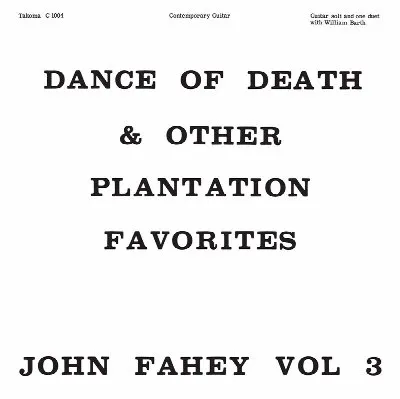
The Dance of Death & Other Plantation Favorites
1964
It extends the intricate solo guitar and folk-blues mood with darker, more dramatic turns.

Blind Joe Death
1959
Its spare folk-blues guitar lays the groundwork for the broader, more assured sound here.
Reference: Wikipedia · MusicBrainz · Wikidata
Sync your library
Everything you track here works immediately — no account needed. Create one when you want to sync across devices.