

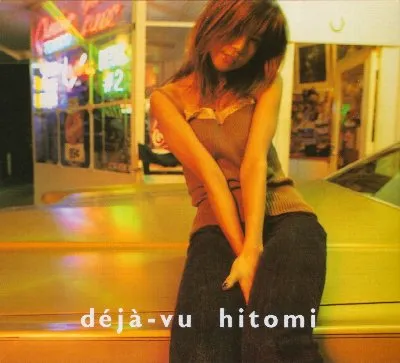
Top tracks — play these first
-
→
mistake — Opening the album with an upbeat tempo, this track showcases Hitomi's signature vocal style combined with catchy hooks, setting the tone for the rest of Déjà-vu.
-
→
poker face — This track stands out for its playful lyrics and infectious rhythm, reflecting themes of love and deception that resonate throughout the album.
-
→
déjà-vu — The title track encapsulates the album's essence, featuring ethereal melodies and introspective lyrics that explore themes of nostalgia and memory.
Elevation
Our rating, out of 100 — and why.
AI-generated from five scored dimensions. An opinion, not a measurement.
The album blends vibrant J-pop melodies with electronic textures, showcasing Hitomi's evolving style in the late '90s.
What we noticed
- The first half of the album features upbeat tracks with prominent electronic elements, while the second half shifts to more introspective melodies.
- Several tracks incorporate layered vocal harmonies that interact with the electronic textures, creating a rich soundscape.
- Composition 25% of the score
-
6/10
- Craft 20% of the score
-
7/10
- Durability 25% of the score
-
5/10
- Distinctiveness 18% of the score
-
6/10
- Sequencing 12% of the score
-
6/10
the writing — melody, harmony, structure, lyrics
production, performance, arrangement
whether it rewards returning to it
whether it sounds like itself
running order, pacing, length
Known within its scene. Reported but not counted — how far a record travelled describes its reception rather than the record, and a newer release has had less time to travel than an older one.
Is this for you?
Good fit if you like
- steady mid-tempo groove throughout
- vibrant melodies for uplifting moods
- for nostalgic daydreaming
- background soundtrack for social gatherings
Maybe skip if you
- prefer instant gratification tracks
- seek intense emotional extremes
Where this album fits
- In the catalog
- Breakthrough — This album solidified Hitomi's presence in J-pop, enhancing her reputation.
- Career context
- Déjà-vu is Hitomi's second studio album, released at a time when she was solidifying her presence in the J-pop scene following her debut in 1995. By 1997, she had begun to explore a more experimental sound that incorporated elements of rock and electronica, marking a significant evolution in her artistic direction.
- Stylistic neighbors
- Globe· Namie Amuro· Ayumi Hamasaki
Moments worth listening for
Where the writing does something specific.
-
Slow Song
A pivotal moment occurs when the narrative shifts from reflection to a direct address to a loved one, evoking a sense of longing.
This structural choice amplifies the emotional weight, making it the most intimate moment on the record.
Tracklist
Best experienced from track one — press play and let it unfold.
- 1 mistake 4:12
- 2 BUSY NOW 5:14
- 3 Turning Point 5:04
- 4 Slow Song 5:41
- 5 poker face 4:56
- 6 Free Soul!! 5:03
- 7 Hard Days Night (One More Beauty) 4:28
- 8 problem 4:39
- 9 Digital Worker (Who's he?) 6:04
- 10 PRETTY EYES 5:36
- 11 déjà-vu 4:12
What to play next

Thermo Plastic
1999
Continues the blend of J-pop and electronica with new explorations in sound.
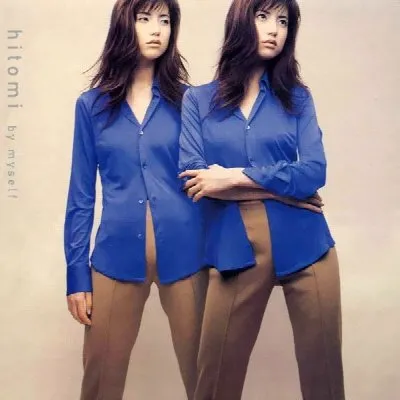
By Myself
1996
Sets the stage with similar emotional narratives and vibrant production.
Reference: Wikipedia · MusicBrainz · Wikidata
Sync your library
Everything you track here works immediately — no account needed. Create one when you want to sync across devices.