


Demolition Man
Grace Jones · 1981
4 min · 2 tracks · contemporary R&B
A clipped new-wave pulse meets dub-inflected bass while a cool vocal turns danger into a form of control.
Top tracks — play these first
-
→
Demolition Man — Jones delivers Sting’s self-portrait of a destructive presence with cool authority over a taut, bass-driven groove.
-
→
Warm Leatherette — Her cover of the Normal’s stark electronic track reshapes its car-crash imagery into a more spacious, rhythm-led performance.
Where this album fits
- In the catalog
- Breakthrough — This single helped solidify Grace Jones' presence in the music scene.
- Themes
- post-punk nightlife· theatrical resilience
- Career context
- This two-track release arrived as Grace Jones was moving from her disco-era albums into the tougher, reggae-inflected sound associated with her Compass Point recordings. The Sting-written “Demolition Man” appeared on her 1981 album Nightclubbing, while “Warm Leatherette” was the title track of her preceding 1980 album.
- Stylistic neighbors
- Chic· Annie Lennox· David Bowie
Tracklist
Best experienced from track one — press play and let it unfold.
- 1 Demolition Man 4:03
- 2 Warm Leatherette
What to play next
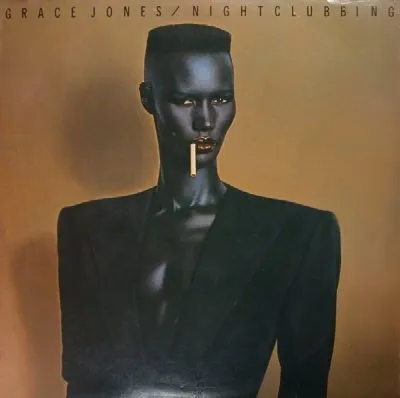
Nightclubbing
1981
Continues the blend of new wave and disco with a more immersive sound.

Warm Leatherette
1980
Sets the stage with similar rhythms and styles leading into Demolition Man.
If this landed
Records by other artists that run on the same instinct.

Scary Monsters (and Super Creeps)
David Bowie
Shares a theatrical approach with sharp rhythms and a blend of new wave and pop sensibilities.
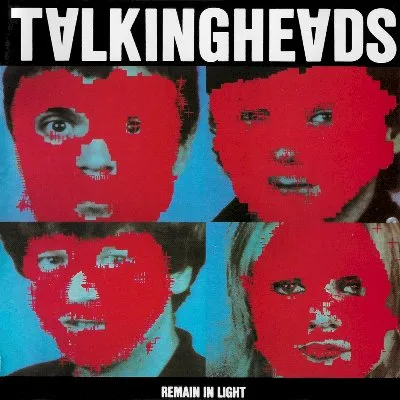
Remain in Light
Talking Heads
Combines post-punk energy with disco influences, creating an expressive and rhythmic soundscape.

Computer World
Kraftwerk
Explores avant-garde themes with a mechanical, rhythmic precision that complements the nightlife vibe.
Reference: Wikipedia · MusicBrainz · Wikidata
Sync your library
Everything you track here works immediately — no account needed. Create one when you want to sync across devices.