

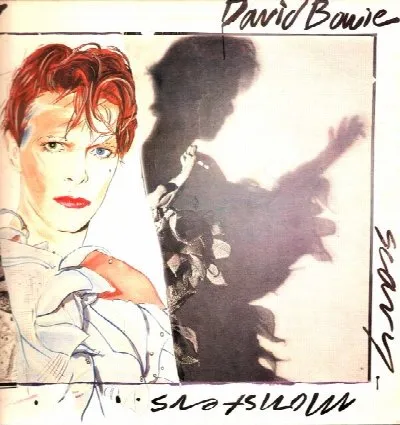
Scary Monsters (and Super Creeps)
David Bowie · 1980
45 min · 10 tracks · alternative rock
A kaleidoscopic blend of new wave and art rock, merging haunting melodies with sharp lyrical commentary.
Top tracks — play these first
-
→
It’s No Game, Part 1 Start here — establishes the sonic palette early
-
→
Ashes to Ashes — This track revisits Bowie's iconic character Major Tom while exploring themes of addiction and alienation through its haunting soundscape and introspective lyrics.
-
→
Fashion — With its driving rhythm and incisive commentary on consumer culture, this song encapsulates the album's critique of fame and identity in the modern world.
-
→
Scary Monsters (and Super Creeps) — The title track serves as a thematic centerpiece, combining eerie sonics with a reflection on fear and societal disconnection that resonates throughout the album.
Elevation
Our rating, out of 100 — and why.
AI-generated from five scored dimensions. An opinion, not a measurement.
Bowie's blend of avant-garde elements and sharp lyrics creates a distinctive sound that rewards repeat listening.
What we noticed
- The album opens with a spoken-word section that transitions into a driving guitar riff, setting an aggressive tone for the first track.
- Each song features a distinct arrangement, often incorporating unconventional instruments and effects, such as synthesizers and layered vocals.
- The final track mirrors the opening with a reprise of themes from Part 1, creating a cyclical structure that enhances the album's narrative.
- Composition 25% of the score
-
8/10
- Craft 20% of the score
-
9/10
- Durability 25% of the score
-
8/10
- Distinctiveness 18% of the score
-
9/10
- Sequencing 12% of the score
-
7/10
the writing — melody, harmony, structure, lyrics
production, performance, arrangement
whether it rewards returning to it
whether it sounds like itself
running order, pacing, length
Significant within its genre. Reported but not counted — how far a record travelled describes its reception rather than the record, and a newer release has had less time to travel than an older one.
Is this for you?
Good fit if you like
- haunting melodies with sharp lyrics
- playful irreverence in musical themes
- dynamic shifts between tracks
- engaging storytelling through sound
Maybe skip if you
- prefer straightforward, predictable sounds
- seek instant gratification in music
Where this album fits
- In the catalog
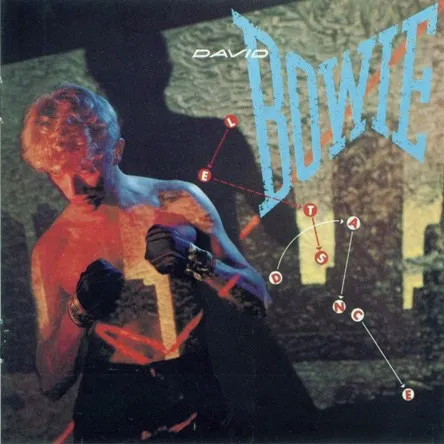
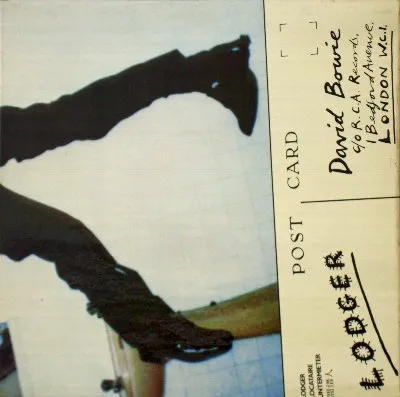
- Breakthrough — Marked Bowie's return to commercial success and wider recognition after Lodger.
- Themes
- Major Tom's nostalgia· consumerism critique· societal fear· artistic reinvention
- Career context
- Released in 1980, Scary Monsters (and Super Creeps) marked David Bowie's return to commercial success after the less favorable reception of his previous album, Lodger. This record also signified a pivotal moment in Bowie's career, bridging the gap between the experimental sounds of the late '70s and the more mainstream appeal that would follow in the '80s.
- Stylistic neighbors
- Brian Eno· Roxy Music· Talking Heads
Moments worth listening for
Where the writing does something specific.
-
Teenage Wildlife
The narrator expresses a sense of disillusionment while addressing youth culture directly, blending nostalgia with criticism.
This moment highlights Bowie's ability to juxtapose personal reflection with broader cultural commentary, showcasing his skillful use of narrative perspective.
Tracklist
- 1 It’s No Game, Part 1 Start here 4:17
- 2 Up the Hill Backwards 3:16
- 3 Scary Monsters (and Super Creeps) 5:12
- 4 Ashes to Ashes 4:26
- 5 Fashion 4:50
- 6 Teenage Wildlife 6:57
- 7 Scream Like a Baby 3:37
- 8 Kingdom Come 3:45
- 9 Because You’re Young 4:56
- 10 It’s No Game, Part 2 4:24
If this landed
Records by other artists that run on the same instinct.
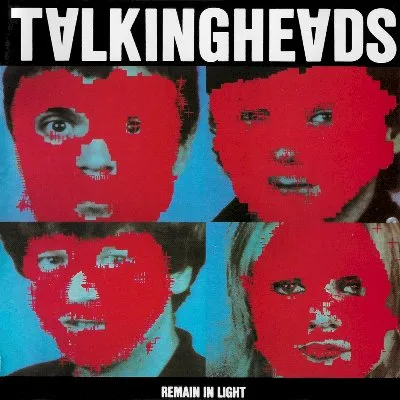
Remain in Light
Talking Heads
Shares a similar blend of avant-garde and rhythmic experimentation with sharp societal observations.
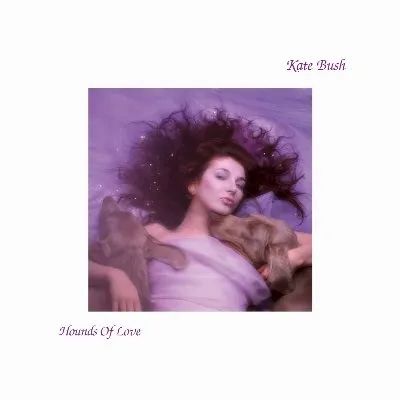
Hounds of Love
Kate Bush
Combines haunting melodies and theatrical storytelling, echoing Bowie's artistic reinvention.

The Pleasure Principle
Gary Numan
Features synth-driven soundscapes and themes of isolation, resonating with Bowie's emotional undercurrents.
Reference: Wikipedia · MusicBrainz · Wikidata
Sync your library
Everything you track here works immediately — no account needed. Create one when you want to sync across devices.