

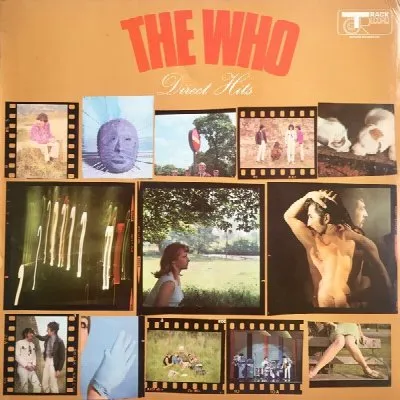
Top tracks — play these first
-
→
Bucket “T” Start here — accessible entry with immediate hook
-
→
I’m a Boy — A brisk pop arrangement carries a story of a boy pressured into presenting as a girl, showing Pete Townshend’s interest in identity and frustrated adolescence.
-
→
Pictures of Lily — Bright harmonies and a buoyant hook give an adolescent sexual fantasy the shape of a comic pop narrative, complete with a deflating final revelation.
-
→
I Can See for Miles — Layered vocals and Keith Moon’s roiling drums turn a song of suspicion into an expansive piece of psychedelic rock.
-
→
Substitute — Townshend’s slashing guitar frames a sharply written portrait of social pretense, while the band gives its compact pop structure a forceful attack.
Elevation
Our rating, out of 100 — and why.
AI-generated from five scored dimensions. An opinion, not a measurement.
The album captures The Who's early sound but lacks the cohesive flow of a studio album.
What we noticed
- The sequencing maintains a high tempo throughout most of the record, with only slight dips in energy in tracks like 'Mary Anne With the Shaky Hand'.
- Composition 25% of the score
-
6/10
- Craft 20% of the score
-
7/10
- Durability 25% of the score
-
5/10
- Distinctiveness 18% of the score
-
6/10
- Sequencing 12% of the score
-
4/10
the writing — melody, harmony, structure, lyrics
production, performance, arrangement
whether it rewards returning to it
whether it sounds like itself
running order, pacing, length
Significant within its genre. Reported but not counted — how far a record travelled describes its reception rather than the record, and a newer release has had less time to travel than an older one.
Is this for you?
Good fit if you like
- short bursts of youthful energy
- sing-along anthems for gatherings
- playful irreverence throughout tracks
- quick hits for casual listening
Maybe skip if you
- slow, introspective listening preference
- long, immersive album experiences
Where this album fits
- In the catalog
- Breakthrough — Compilation of key singles that helped establish The Who's reputation.
- Themes
- London's vibrant rock scene· lost innocence narratives
- Career context
- Released in 1968, Direct Hits gathered singles and other tracks from The Who’s mid-1960s output after their third studio album, The Who Sell Out. It appeared before Tommy, the 1969 rock opera that would substantially expand the band’s ambitions and audience.
- Stylistic neighbors
- The Kinks· Led Zeppelin· The Rolling Stones
Tracklist
- 1 Bucket “T” Start here 2:09
- 2 I’m a Boy 2:37
- 3 Pictures of Lily 2:46
- 4 Doctor! Doctor! 3:01
- 5 I Can See for Miles 4:12
- 6 Substitute 3:49
- 7 Happy Jack 2:17
- 8 The Last Time 2:54
- 9 In the City 2:27
- 10 Call Me Lightning 2:26
- 11 Mary Anne With the Shaky Hand 2:13
- 12 Dogs 3:08
What to play next
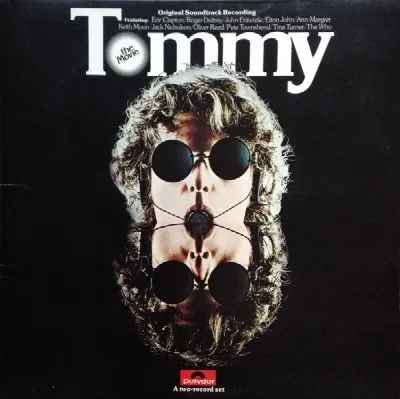
Tommy
1970
This album expands on the themes of youthful rebellion with a rock opera format.
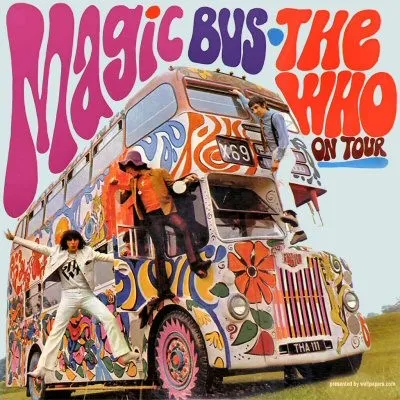
Magic Bus: The Who on Tour
1968
Leads into 'Direct Hits' with energetic live versions of key tracks.
If this landed
Records by other artists that run on the same instinct.
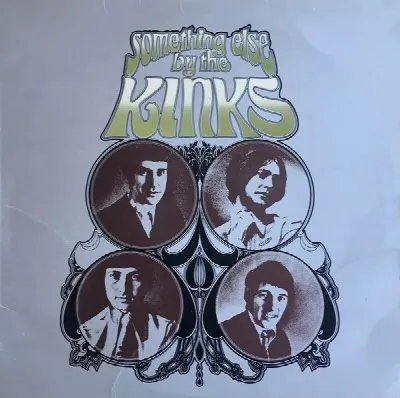
Something Else by The Kinks
The Kinks
Shares a similar lyrical curiosity and reflects on British life with vibrant melodies.
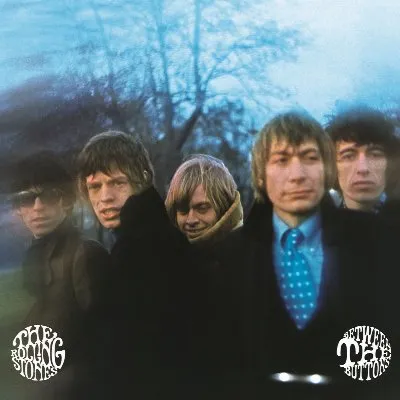
Between the Buttons
The Rolling Stones
Captures youthful rebellion with a mix of rock anthems and introspective themes, akin to The Who's energy.
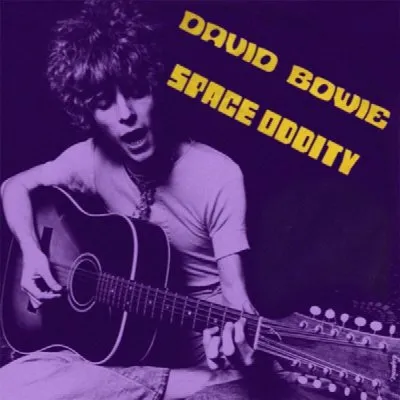
Space Oddity
David Bowie
Explores themes of lost innocence and identity through a vibrant rock soundscape.
Reference: Wikipedia · MusicBrainz · Wikidata
Sync your library
Everything you track here works immediately — no account needed. Create one when you want to sync across devices.