

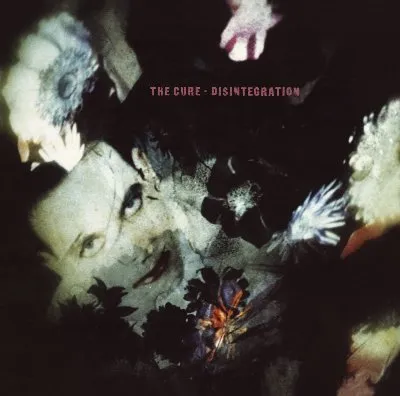
Disintegration
The Cure · 1989
72 min · 12 tracks · alternative rock
Ethereal soundscapes intertwine with haunting melodies, creating a lush and introspective atmosphere that defines The Cure's signature style.
Top tracks — play these first
-
→
Plainsong Start here — establishes the sonic palette early
-
→
Lovesong — This track is a poignant expression of love set against an expansive sonic backdrop, showcasing The Cure's ability to blend melancholy with romanticism.
-
→
Pictures of You — A sweeping ballad that encapsulates themes of memory and loss, it highlights Robert Smith's emotive vocal delivery alongside lush instrumentation.
-
→
Fascination Street — With its driving rhythm and darkly seductive lyrics, this track exemplifies the album's balance of upbeat energy and introspective depth.
-
→
Disintegration — The title track serves as an epic conclusion to the album, weaving together deep existential themes through haunting melodies and immersive soundscapes.
Elevation
Our rating, out of 100 — and why.
AI-generated from five scored dimensions. An opinion, not a measurement.
The album's lush soundscapes and introspective lyrics create a cohesive yet distinct listening experience.
What we noticed
- The album opens with 'Plainsong', which features a gradual build-up of layered synths and vocals, setting a haunting tone for the record.
- Each track typically maintains a consistent mid-tempo pace, with only slight variations in dynamics, creating an immersive atmosphere.
- Several tracks, such as 'Lovesong' and 'Fascination Street', incorporate prominent bass lines that drive the rhythm while intertwining with ethereal guitar melodies.
- Composition 25% of the score
-
8/10
- Craft 20% of the score
-
9/10
- Durability 25% of the score
-
8/10
- Distinctiveness 18% of the score
-
8/10
- Sequencing 12% of the score
-
7/10
the writing — melody, harmony, structure, lyrics
production, performance, arrangement
whether it rewards returning to it
whether it sounds like itself
running order, pacing, length
Significant within its genre. Reported but not counted — how far a record travelled describes its reception rather than the record, and a newer release has had less time to travel than an older one.
Is this for you?
Good fit if you like
- haunting emotional landscapes unfold
- wave-like pacing invites reflection
- introspective moments for solitude
- gradual ascent to resolution
- immersive listening for deep focus
Maybe skip if you
- seekers of instant gratification
- prefer upbeat, energetic tracks
Where this album fits
- In the catalog
- Critical Peak — Often cited as The Cure's most ambitious and accomplished work.
- Themes
- haunting nostalgia· urban melancholy· gothic romance
- Moods
- Melancholy· Introspective
- Career context
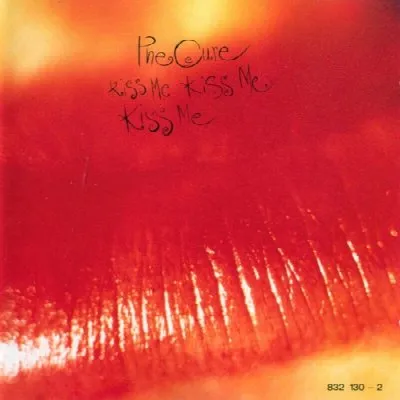
- Released on May 2, 1989, Disintegration is The Cure's eighth studio album and marked a pivotal moment in their career following the commercial success of Kiss Me, Kiss Me, Kiss Me. This album solidified their status as icons of the gothic rock genre and showcased a more mature sound characterized by deeper emotional themes.
- Stylistic neighbors
- Siouxsie and the Banshees· Joy Division· The Sisters of Mercy
Tracklist
- 1 Plainsong Start here 5:15
- 2 Pictures of You 7:28
- 3 Closedown 4:20
- 4 Lovesong 3:30
- 5 Last Dance 4:47
- 6 Lullaby 4:10
- 7 Fascination Street 5:15
- 8 Prayers for Rain 6:09
- 9 The Same Deep Water as You 9:21
- 10 Disintegration 8:23
- 11 Homesick 7:10
- 12 Untitled 6:26

If this landed
Records by other artists that run on the same instinct.

Floodland
The Sisters of Mercy
Shares atmospheric production and themes of urban melancholy and gothic romance.
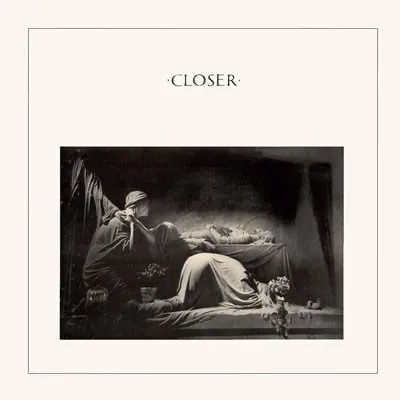
Closer
Joy Division
Explores haunting nostalgia with a similarly dark, atmospheric sound and introspective lyrics.

Heaven or Las Vegas
Cocteau Twins
Features lush soundscapes and ethereal vocals that evoke a similarly haunting emotional experience.
Reference: Wikipedia · MusicBrainz · Wikidata
Sync your library
Everything you track here works immediately — no account needed. Create one when you want to sync across devices.