


Distant Satellites
Anathema · 2014
81 min · 15 tracks · alternative rock
A soaring blend of atmospheric rock and ethereal melodies that captures a sense of introspection and cosmic wonder.
Top tracks — play these first
-
→
The Lost Song, Part 1 Start here — establishes the sonic palette early
-
→
You’re Not Alone — This track encapsulates the album's overarching theme of connection through haunting vocals layered over delicate instrumentation, offering comfort amid solitude.
-
→
Distant Satellites — The title track features expansive soundscapes that evoke feelings of longing and hope, representing a pinnacle of the band's atmospheric style.
-
→
The Lost Song, Part 2 — With its intricate arrangement and heartfelt lyrics, this song exemplifies the band's ability to merge melodic beauty with profound emotional weight.
-
→
Ariel — A standout for its lyrical imagery and sweeping melodies, this track highlights the band's knack for storytelling through music.
Elevation
Our rating, out of 100 — and why.
AI-generated from five scored dimensions. An opinion, not a measurement.
The album showcases strong atmospheric writing and production but remains within established genre boundaries.
What we noticed
- The first five tracks create a continuous flow, with each piece transitioning smoothly into the next, maintaining a consistent atmospheric tone.
- Several tracks feature layered vocal harmonies that build in intensity, particularly in 'You're Not Alone' and 'Distant Satellites'.
- The album employs dynamic shifts, alternating between quiet, introspective moments and soaring climaxes, especially evident in 'Take Shelter'.
- Composition 25% of the score
-
7/10
- Craft 20% of the score
-
8/10
- Durability 25% of the score
-
7/10
- Distinctiveness 18% of the score
-
6/10
- Sequencing 12% of the score
-
8/10
the writing — melody, harmony, structure, lyrics
production, performance, arrangement
whether it rewards returning to it
whether it sounds like itself
running order, pacing, length
Known within its scene. Reported but not counted — how far a record travelled describes its reception rather than the record, and a newer release has had less time to travel than an older one.
Is this for you?
Good fit if you like
- ethereal soundscapes for introspection
- wave-like pacing with dynamic shifts
- immersive listening in solitude
- cathartic emotional peaks and valleys
- deeply reflective late-night sessions
Maybe skip if you
- prefer fast-paced, upbeat tracks
- seek standalone singles experience
Where this album fits
- In the catalog
- Experimental — Marks a significant departure from Anathema's earlier sound, blending atmospheric rock.
- Themes
- cosmic longing· intimate connection· ethereal soundscapes
- Career context
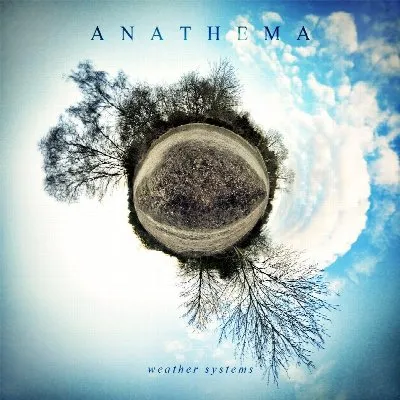
- By the time 'Distant Satellites' was released in 2014, Anathema had transitioned from their early death-doom roots to a more expansive sound characterized by alternative and progressive rock influences. This album followed their critically acclaimed 'Weather Systems' (2012) and solidified their status as pioneers in the atmospheric rock genre, showcasing their artistic evolution while maintaining emotional depth.
- Stylistic neighbors
- Opeth· Paradise Lost· My Dying Bride
Tracklist
Disc 1
- 1 The Lost Song, Part 1 Start here 5:54
- 2 The Lost Song, Part 2 5:48
- 3 Dusk (Dark Is Descending) 6:00
- 4 Ariel 6:29
- 5 The Lost Song, Part 3 5:22
- 6 Anathema 6:41
- 7 You’re Not Alone 3:27
- 8 Firelight 2:43
- 9 Distant Satellites 8:18
- 10 Take Shelter 6:07
Disc 2
- 1 The Lost Song, Part 1 (acoustic in session – Liverpool Parr Street Studios) 5:58
- 2 Ariel (acoustic in session – Liverpool Parr Street Studios) 4:11
- 3 The Lost Song, Part 3 (acoustic in session – Liverpool Parr Street Studios) 4:36
- 4 Firelight (acoustic in session – Liverpool Parr Street Studios) 2:21
- 5 Anathema (live at Liverpool Cathedral) 7:15

If this landed
Records by other artists that run on the same instinct.

Hurry Up, We're Dreaming
M83
Shares a similar atmospheric grandeur and introspective themes with lush soundscapes.
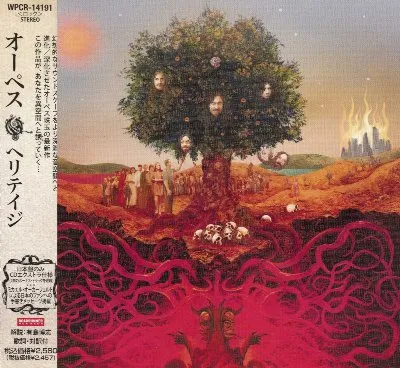
Heritage
Opeth
Explores intricate compositions and emotional depth while blending progressive rock with ethereal elements.

( )
Sigur Rós
Captures the same sense of cosmic wonder through expansive sound textures and haunting melodies.
Reference: Wikipedia · MusicBrainz · Wikidata
Sync your library
Everything you track here works immediately — no account needed. Create one when you want to sync across devices.