

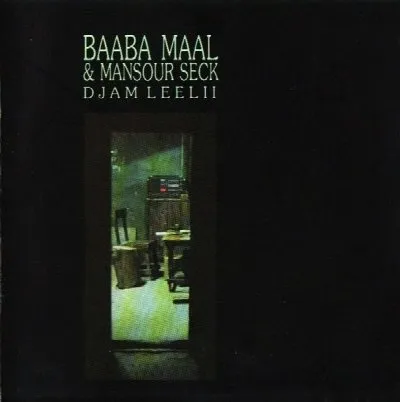
Djam Leelii
Baaba Maal · 1989
72 min · 12 tracks · music of Africa
A vibrant fusion of traditional West African rhythms with contemporary influences, marked by Baaba Maal's powerful vocals and storytelling.
Top tracks — play these first
-
→
Lam Tooro — The opening track sets the tone with its infectious rhythm and melodic hooks, showcasing Baaba Maal's unique vocal style and inviting listeners into his musical world.
-
→
Djam Leelii — This title track embodies the album's spirit, weaving together storytelling and rhythm while reflecting on cultural identity, making it a centerpiece of Baaba Maal's artistic vision.
-
→
Muudo Hormo — This song features intricate arrangements that highlight both traditional instruments and contemporary sounds, representing the album's innovative fusion approach.
-
→
Loodo — With its driving percussion and call-and-response structure, this track exemplifies communal celebration in Senegalese culture, resonating deeply with listeners.
Elevation
Our rating, out of 100 — and why.
AI-generated from five scored dimensions. An opinion, not a measurement.
Djam Leelii showcases a vibrant blend of traditional and contemporary sounds, making it distinctive within its genre.
What we noticed
- The album opens with a strong rhythmic pulse in 'Lam Tooro' that sets a lively tone, which is maintained through the first half.
- Baaba Maal's vocals are layered with call-and-response patterns, creating a communal feel across multiple tracks.
- Several tracks feature traditional instruments like the kora and djembe, blending seamlessly with modern production elements.
- The final track, 'Taara', slows down the tempo significantly, providing a reflective conclusion to the album.
- Composition 25% of the score
-
7/10
- Craft 20% of the score
-
8/10
- Durability 25% of the score
-
6/10
- Distinctiveness 18% of the score
-
8/10
- Sequencing 12% of the score
-
7/10
the writing — melody, harmony, structure, lyrics
production, performance, arrangement
whether it rewards returning to it
whether it sounds like itself
running order, pacing, length
Significant within its genre. Reported but not counted — how far a record travelled describes its reception rather than the record, and a newer release has had less time to travel than an older one.
Is this for you?
Good fit if you like
- vibrant rhythms for celebration
- storytelling that invites reflection
- rich textures for deep listening
- extended tracks for immersive experience
- invigorating energy for gatherings
Maybe skip if you
- seeking quick, catchy tunes
- prefer short, standalone tracks
Where this album fits
- Career context
- Released in 1989, Djam Leelii is Baaba Maal's second studio album, following his acclaimed debut, Firin' in Fouta. At this point, he was establishing himself as a prominent figure in the world music scene, blending Senegalese musical traditions with broader global influences.
- Stylistic neighbors
- Oumou Sangaré· Tinariwen· Ali Farka Touré
Tracklist
Best experienced from track one — press play and let it unfold.
- 1 Lam Tooro 6:40
- 2 Loodo 6:10
- 3 Muudo Hormo 6:13
- 4 Salminanam 4:29
- 5 Maacina Tooro 5:49
- 6 Djam Leelii 6:02
- 7 Bibbe Leydy 6:27
- 8 Sehilam 6:24
- 9 Kettojee 4:54
- 10 Ko Wone Mayo 9:29
- 11 Daande Lenol 4:34
- 12 Taara 5:23
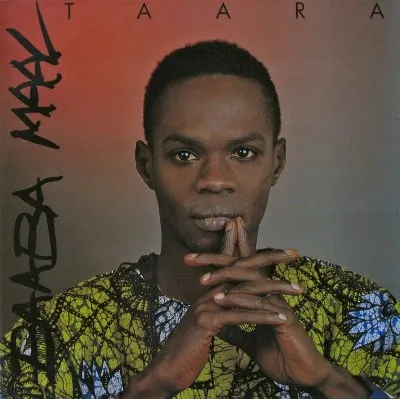
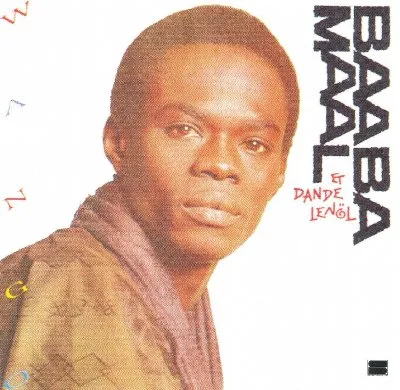
Reference: Wikipedia · MusicBrainz · Wikidata
Sync your library
Everything you track here works immediately — no account needed. Create one when you want to sync across devices.