

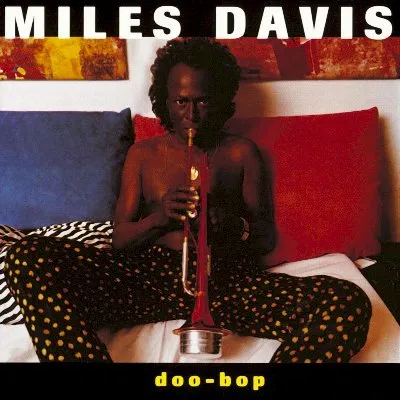
Doo-Bop
Miles Davis · 1992
40 min · 9 tracks · jazz
Miles Davis’s muted trumpet slips through hip-hop beats and sampled funk with a coolness that feels both restless and reflective.
Top tracks — play these first
-
→
Mystery Start here — The opener sets Davis’s searching trumpet against a hip-hop groove, establishing the contrast between his spare phrasing and Easy Mo Bee’s production.
-
→
The Doo‐Bop Song — Easy Mo Bee’s rapping puts the collaboration’s hip-hop identity upfront, while Davis’s trumpet threads through the beat rather than dominating it.
-
→
Sonya — A more contemplative selection, it gives Davis room to linger over the groove and makes his economy of phrasing central to the track.
-
→
Mystery (reprise) — The short return to the opening material closes the album as a frame rather than a grand finale, bringing its central trumpet-and-beat encounter back into focus.
Elevation
Our rating, out of 100 — and why.
AI-generated from five scored dimensions. An opinion, not a measurement.
InstrumentalDoo-Bop merges jazz with hip-hop rhythms, showcasing distinctiveness while maintaining a cohesive yet brief structure.
What we noticed
- The album features a consistent use of electronic beats and samples, creating a rhythmic foundation that underpins the jazz instrumentation.
- The running time is relatively short, with most tracks averaging around three to four minutes, which keeps the pace brisk and engaging.
- Composition 25% of the score
-
7/10
- Craft 20% of the score
-
6/10
- Durability 25% of the score
-
5/10
- Distinctiveness 18% of the score
-
8/10
- Sequencing 12% of the score
-
6/10
the writing — melody, harmony, structure, lyrics
production, performance, arrangement
whether it rewards returning to it
whether it sounds like itself
running order, pacing, length
Significant within its genre. Reported but not counted — how far a record travelled describes its reception rather than the record, and a newer release has had less time to travel than an older one.
Is this for you?
Good fit if you like
- steady flow with rhythmic experimentation
- smooth melodies for relaxed listening
- engaging background for social settings
- playful vibes for casual enjoyment
Maybe skip if you
- seeking instant gratification
- prefer standalone hit tracks
Where this album fits
- In the catalog
- Experimental — A fusion of jazz and hip-hop, marking a departure from his earlier styles.
- Themes
- hip-hop fusion· contemporary jazz evolution
- Career context
- Released in 1992, Doo-Bop was Davis’s final studio album and appeared after his death in September 1991. He had begun the project with producer and rapper Easy Mo Bee, extending his longstanding interest in contemporary Black popular music into hip-hop.
- Stylistic neighbors
- John Coltrane· Herbie Hancock· Wayne Shorter
Moments worth listening for
Where the writing does something specific.
-
The Doo‐Bop Song
The refrain repeatedly breaks the song’s title into rhythmic syllables between the rap passages.
The repetition turns the title into a percussive device, giving the vocal a role alongside the programmed groove.
Tracklist
- 1 Mystery Start here 3:57
- 2 The Doo‐Bop Song 5:02
- 3 Chocolate Chip 4:41
- 4 High Speed Chase 4:40
- 5 Blow 5:07
- 6 Sonya 5:32
- 7 Fantasy 4:38
- 8 Duke Booty 4:56
- 9 Mystery (reprise) 1:28
What to play next

Spring
1992
Continues the fusion of jazz with contemporary sounds, maintaining a rhythmic vibe.
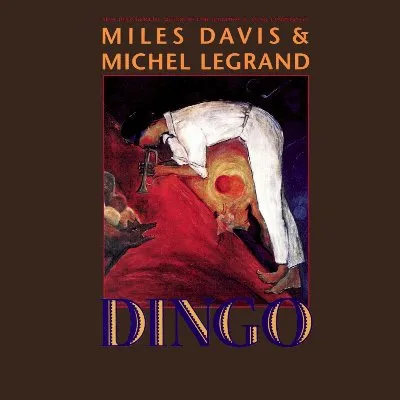
Dingo – Selections From the Motion Picture Soundtrack
1991
If this landed
Records by other artists that run on the same instinct.
Reference: Wikipedia · MusicBrainz · Wikidata
Sync your library
Everything you track here works immediately — no account needed. Create one when you want to sync across devices.