

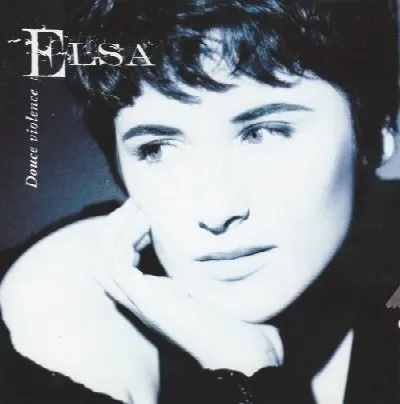
Douce Violence
Elsa Lunghini · 1992
42 min · 11 tracks · folk music
A vibrant blend of pop melodies and folk influences, layered with introspective lyrics and lush instrumentation.
Top tracks — play these first
-
→
Supplice chinois (Toop Toop) — This track stands out for its infectious hook and danceable rhythm, showcasing Lunghini's ability to blend catchy pop with deeper lyrical themes.
-
→
C’est bien, c’est mal — With its contemplative lyrics and melodic structure, this song captures the essence of the album's exploration of moral ambiguity and emotional complexity.
-
→
Être ensemble — The poignant delivery and heartfelt lyrics make this track a highlight, reflecting on themes of connection and togetherness that resonate throughout the album.
Is this for you?
Good fit if you like
- introspective moments of reflection
- vibrant melodies for daily life
- warm soundscapes for gatherings
- short tracks for quick enjoyment
Maybe skip if you
- seeking high-energy dance tracks
- prefer lengthy immersive experiences
Where this album fits
- Career context
- Released in 1992, Douce Violence is Elsa Lunghini's second studio album, following her self-titled debut from 1988. At this point in her career, she was transitioning from a child star into a more mature artist, refining her sound and exploring deeper themes.
- Stylistic neighbors
- Françoise Hardy· Lio· Vanessa Paradis
Moments worth listening for
Where the writing does something specific.
-
C’est bien, c’est mal
The bridge shifts from questioning morality to a decisive statement about choices made, emphasizing the internal conflict within.
This structural choice marks a turning point in the song, adding dramatic weight that underscores the tension between right and wrong.
Tracklist
Best experienced from track one — press play and let it unfold.
- 1 Supplice chinois (Toop Toop) 4:14
- 2 C’est bien, c’est mal 3:34
- 3 Être ensemble 3:50
- 4 Jamais toujours 4:07
- 5 Mercurochrome 4:23
- 6 Bouscule-moi 3:30
- 7 Le cœur ailleurs, l’amour ailleurs 3:49
- 8 Parfums d’amour 4:11
- 9 Amoureuse, moi ? 4:14
- 10 Tout l’temps, tout l’temps 2:45
- 11 Changer sa vie 3:41

Reference: Wikipedia · MusicBrainz · Wikidata
Sync your library
Everything you track here works immediately — no account needed. Create one when you want to sync across devices.