


Drama
Yes · 1980
79 min · 16 tracks · progressive rock
A bold fusion of intricate arrangements and new wave influences, marking a distinct shift in Yes's sound.
Top tracks — play these first
-
→
Machine Messiah Start here — Opening with an expansive instrumental introduction, this track exemplifies the album’s ambitious blend of complex arrangements and accessible melodies, setting the tone for the rest of the record.
-
→
Tempus Fugit — This song features rapid shifts in tempo and dynamics, showcasing Horn's vocal prowess while encapsulating the thematic elements of time and existential reflection that permeate the album.
-
→
Into the Lens — With its catchy chorus and synth-driven instrumentation, this track highlights Yes's embrace of new wave influences while maintaining their signature intricate sound structure.
Elevation
Our rating, out of 100 — and why.
AI-generated from five scored dimensions. An opinion, not a measurement.
The album showcases a blend of progressive rock and new wave, with varied arrangements but uneven cohesion.
What we noticed
- Tracks like 'White Car' and 'Does It Really Happen?' incorporate new wave elements, contrasting with the more traditional progressive rock sound of earlier albums.
- The final three tracks shift to a more subdued tempo, creating a reflective atmosphere that contrasts with the energetic opening.
- Composition 25% of the score
-
7/10
- Craft 20% of the score
-
6/10
- Durability 25% of the score
-
6/10
- Distinctiveness 18% of the score
-
7/10
- Sequencing 12% of the score
-
5/10
the writing — melody, harmony, structure, lyrics
production, performance, arrangement
whether it rewards returning to it
whether it sounds like itself
running order, pacing, length
Known within its scene. Reported but not counted — how far a record travelled describes its reception rather than the record, and a newer release has had less time to travel than an older one.
Is this for you?
Good fit if you like
- long, immersive listening sessions
- dynamic emotional journeys
- layered, dense sonic textures
- gradual builds and payoffs
Where this album fits
- In the catalog
- Experimental — Represents a shift in sound with new wave influences, diverging from previous works.
- Themes
- new wave adaptation· mechanical dystopia
- Career context
- Released on August 22, 1980, 'Drama' was Yes's ninth studio album and marked a pivotal transition following the departure of founding member Jon Anderson. This album showcased the band's adaptation to a changing musical landscape, with Trevor Horn stepping in as vocalist and producer, signifying a departure from their classic progressive rock roots towards a more modern sound.
- Stylistic neighbors
- Genesis· King Crimson· Emerson, Lake & Palmer
Moments worth listening for
Where the writing does something specific.
-
Tempus Fugit
The narrative shifts from reflective musings on time to an urgent call to action as the music intensifies.
This dynamic contrast not only emphasizes the urgency of its themes but also showcases how effectively the band merges lyrical depth with musical complexity.
Tracklist
- 1 Machine Messiah Start here 10:27
- 2 White Car 1:21
- 3 Does It Really Happen? 6:35
- 4 Into the Lens 8:32
- 5 Run Through the Light 4:42
- 6 Tempus Fugit 5:21
- 7 Into the Lens (I Am a Camera) (single version) 3:47
- 8 Run Through the Light (single version) 4:31
- 9 Have We Really Got to Go Through This 3:43
- 10 Song No. 4 (Satellite) 7:31
- 11 Tempus Fugit (tracking session) 5:39
- 12 White Car (tracking session) 1:11
- 13 Dancing Through the Light 3:16
- 14 Golden Age 5:57
- 15 In the Tower 2:54
- 16 Friend of a Friend 3:38

If this landed
Records by other artists that run on the same instinct.

The Age of Plastic
The Buggles
Shares a similar new wave aesthetic and futuristic themes with intricate production.

Remain in Light
Talking Heads
Combines complex arrangements with a modern, mechanical sound and explorative themes.
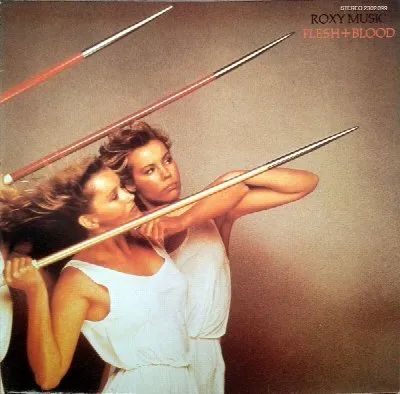
Flesh and Blood
Roxy Music
Merges art rock sensibilities with new wave influences, focusing on modernity and existential themes.
Reference: Wikipedia · MusicBrainz · Wikidata
Sync your library
Everything you track here works immediately — no account needed. Create one when you want to sync across devices.