

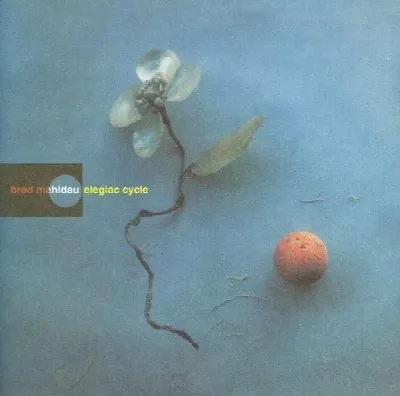
Elegiac Cycle
1999 56 min 9 tracks jazz
Elevation 80 /100 AlpineUnaccompanied keys move between intimate laments and restless improvisations in a cycle shadowed by memory.
Is this for you?
Good fit if you like
- wave-like pacing with peaks
- contemplative listening for introspection
- emotional narratives through improvisation
- for reflective evenings
Maybe skip if you
- seeking fast-paced tracks
- prefer standalone singles
Recommended tracks
Top tracks — play these first
-
Bard Start here — The opening miniature introduces the album’s unaccompanied setting and establishes a theme that returns at the end of the cycle.
-
Memory's Tricks — At more than nine minutes, this piece gives Mehldau room to develop ideas beyond the compact forms of the opening tracks.
-
Elegy for William Burroughs and Allen Ginsberg — Its dedication makes the album’s connection to literary figures explicit, framing the solo performance as a tribute to two Beat writers.
-
Goodbye Storyteller (for Fred Myrow) — The album’s longest piece is dedicated to composer Fred Myrow, extending its sequence of musical memorials into a spacious solo form.
-
The Bard Returns — The closing piece recalls the opening track by title, giving the collection a sense of return rather than simply ending its succession of elegies.
Moments worth listening for
Where the writing does something specific.
-
The Bard Returns
The closing track returns to the figure named in the opening piece.
The paired titles give this instrumental cycle a framing device, suggesting a return after the intervening memorials.
Elevation
Our rating, out of 100 — and why.
AI-generated from five scored dimensions. An opinion, not a measurement. How Elevation works
InstrumentalThe album showcases intricate compositions and thoughtful arrangements that reward repeated listens.
What we noticed
- The album features extended improvisations, with several tracks exceeding six minutes, allowing for deep exploration of themes.
- Each piece often begins with a solo piano introduction before gradually incorporating bass and drums, creating a layered texture.
- Composition 25% of the score
-
8/10
- Craft 20% of the score
-
7/10
- Durability 25% of the score
-
8/10
- Distinctiveness 18% of the score
-
7/10
- Sequencing 12% of the score
-
6/10
the writing — melody, harmony, structure, lyrics
production, performance, arrangement
whether it rewards returning to it
whether it sounds like itself
running order, pacing, length
The score is the weighted average of these five, then scaled to spread the range — the scaling never changes which of two albums scores higher.
Known within its scene. Reported but not counted — how far a record travelled describes its reception rather than the record, and a newer release has had less time to travel than an older one.
Tracklist
- 1 Bard Start here 2:45
- 2 Resignation 5:34
- 3 Memory's Tricks (recommended) 9:17
- 4 Elegy for William Burroughs and Allen Ginsberg (recommended) 4:42
- 5 Lament for Linus 1:27
- 6 Trailer Park Ghost 9:19
- 7 Goodbye Storyteller (for Fred Myrow) (recommended) 10:27
- 8 Rückblick 8:56
- 9 The Bard Returns (recommended) 4:16
Where this album fits
- In the catalog
- Breakthrough — This album solidified Mehldau's reputation following his acclaimed debut.
- Themes
- literary homage· loss and memory· introspective soundscapes
- Career context
- Released in 1999, Elegiac Cycle was Brad Mehldau’s first solo piano album, following the early installments of his Art of the Trio series. It placed his improvising and original compositions in an unaccompanied setting, apart from the trio format that had established his reputation.
- Stylistic neighbors
- Keith Jarrett· Fred Hersch· Bill Evans
Keep listening
What to play next

Consenting Adults
2000
It continues the introspective vibe while introducing more rhythmic complexity.
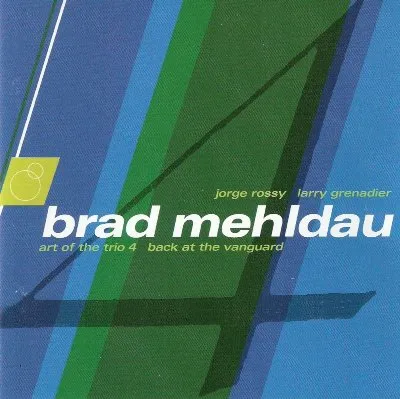
Art of the Trio 4: Back at the Vanguard
1999
This album sets a solid foundation with similar emotional depth and jazz intricacies.
Related records
If this landed
Records by other artists that run on the same instinct.
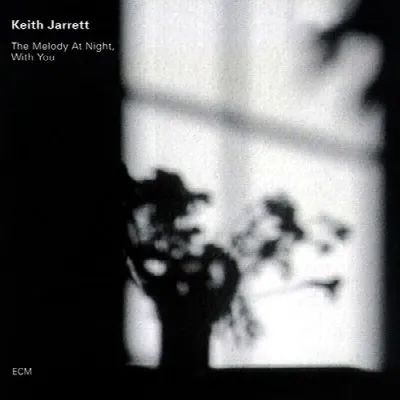
The Melody at Night, With You
Keith Jarrett
Shares a contemplative piano-driven approach with emotional depth and introspective melodies.
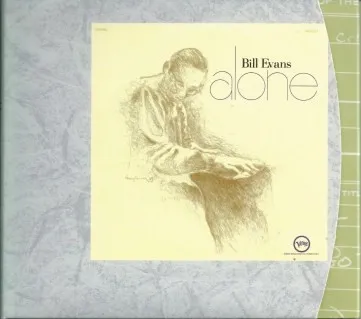
Alone
Bill Evans
Explores themes of solitude and memory through delicate piano lines and reflective improvisation.
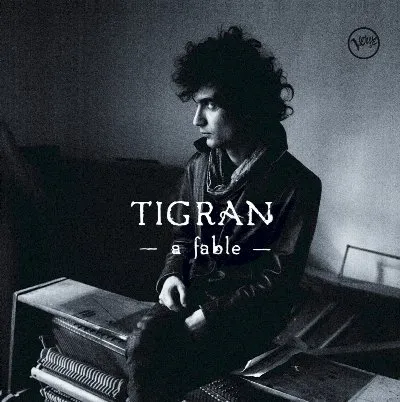
A Fable (album)
Tigran Hamasyan
Combines intricate melodies with rich harmonic textures, evoking introspective journeys through sound.
Own the record
Some of these are affiliate links: a purchase may earn Northsound a small commission, at no cost to you. It never decides what we recommend or how we score.
Sources
The Weekly Dispatch
One record worth your time, every week — picked the way this page is.
One short email. Free, unsubscribe anytime. Read this week's.
Sync your library
Everything you track here works immediately — no account needed. Create one when you want to sync across devices.