

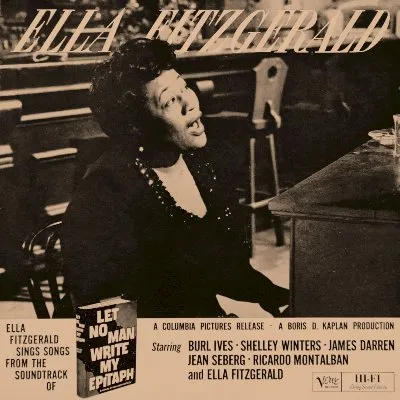
Ella Fitzgerald Sings Songs from "Let No Man Write My Epitaph"
Ella Fitzgerald · 1960
42 min · 13 tracks · jazz
Ella Fitzgerald’s voice and Paul Smith’s piano turn familiar standards into intimate late-night conversations.
Top tracks — play these first
-
→
Black Coffee Start here — Fitzgerald’s measured delivery makes the sleeplessness in the lyric feel unhurried, while Smith’s piano leaves space around each phrase.
-
→
Misty — Her supple phrasing treats Erroll Garner’s melody conversationally, letting the piano support the song’s sense of romantic disorientation without crowding it.
-
→
September Song — Fitzgerald brings a quiet gravity to the song’s meditation on passing time, showing how much dramatic weight the duo can carry without an orchestra.
-
→
One for My Baby (and One for the Road) — The barroom monologue suits the album’s intimate scale: Fitzgerald shapes the story as if confiding across a nearly empty room.
Elevation
Our rating, out of 100 — and why.
AI-generated from five scored dimensions. An opinion, not a measurement.
Fitzgerald's emotive vocals and the cohesive arrangement create a strong yet familiar jazz experience.
What we noticed
- Each track is arranged for a small jazz ensemble, allowing for subtle instrumental interplay that complements Fitzgerald's voice without overshadowing it.
- Several songs incorporate extended instrumental intros or outros, which contribute to the overall mood and pacing of the album.
- Composition 25% of the score
-
8/10
- Craft 20% of the score
-
8/10
- Durability 25% of the score
-
7/10
- Distinctiveness 18% of the score
-
7/10
- Sequencing 12% of the score
-
6/10
the writing — melody, harmony, structure, lyrics
production, performance, arrangement
whether it rewards returning to it
whether it sounds like itself
running order, pacing, length
Known within its scene. Reported but not counted — how far a record travelled describes its reception rather than the record, and a newer release has had less time to travel than an older one.
Is this for you?
Good fit if you like
- steady emotional exploration throughout
- smoky atmosphere for intimate moments
- for reflective evenings
- heartfelt ballads with rich storytelling
- soulful grooves for quiet contemplation
Maybe skip if you
- seekers of high-energy tracks
- prefer fast-paced listening experiences
Where this album fits
- In the catalog
- Deep Cut — A solid entry in her catalog that showcases her vocal artistry without being a major highlight.
- Themes
- smoky barroom nights· heartfelt longing
- Career context
- Released in 1960, the album arrived amid Fitzgerald’s celebrated series of Verve Song Book recordings. Its spare voice-and-piano setting with Paul Smith offered a contrast to the orchestral arrangements on many of those albums and connected her recording career to her role in the film Let No Man Write My Epitaph.
- Stylistic neighbors
- Billie Holiday· Sarah Vaughan· Louis Armstrong
Moments worth listening for
Where the writing does something specific.
-
One for My Baby (and One for the Road)
The opening addresses a bartender by name before the drinker begins recounting a failed romance.
That direct address turns a solitary lament into a miniature scene with an implied listener.
Tracklist
- 1 Black Coffee Start here 3:30
- 2 Angel Eyes 3:30
- 3 I Cried for You 3:29
- 4 I Can’t Give You Anything but Love, Baby 3:31
- 5 Then You’ve Never Been Blue 3:13
- 6 I Hadn’t Anyone Till You 2:51
- 7 My Melancholy Baby 3:00
- 8 Misty 2:54
- 9 September Song 3:43
- 10 One for My Baby (and One for the Road) 4:20
- 11 Who’s Sorry Now 3:29
- 12 I’m Getting Sentimental Over You 2:38
- 13 Reach for Tomorrow 2:24
What to play next
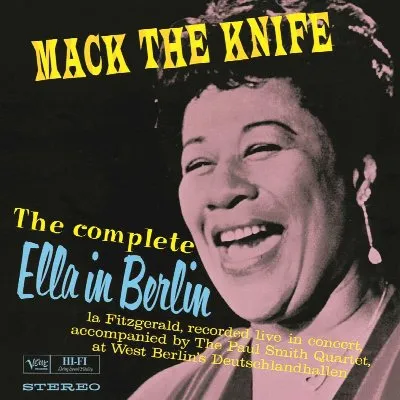
Ella in Berlin: Mack the Knife
1960
Continues the emotive vocal style with live performance energy and engaging arrangements.
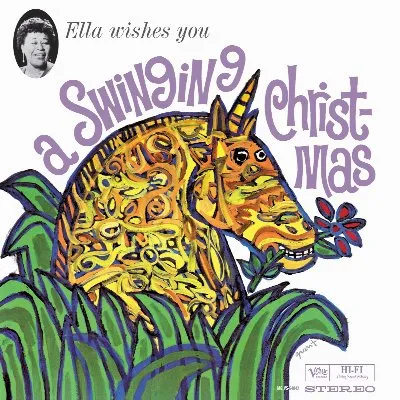
Ella Wishes You a Swinging Christmas
1960
Sets a festive tone with rich vocals, leading into the emotional depth of the current album.
If this landed
Records by other artists that run on the same instinct.
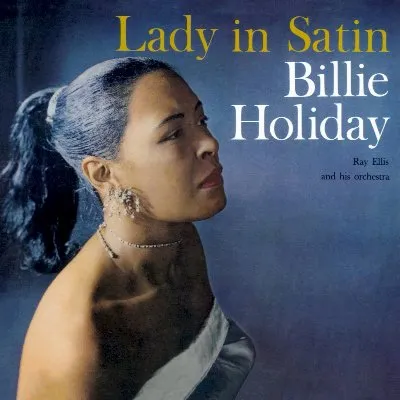
Lady in Satin
Billie Holiday
Shares deep emotional delivery and smoky atmosphere, focusing on heartfelt ballads.
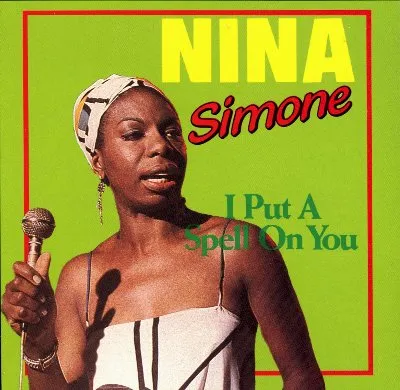
I Put a Spell on You
Nina Simone
Combines soulfulness and jazz with themes of longing and introspection in a smoky setting.
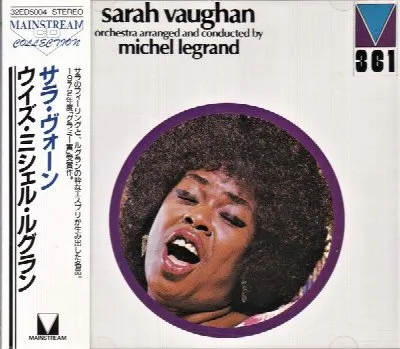
Sarah Vaughan with Michel Legrand
Sarah Vaughan
Features lush arrangements and emotional depth, blending jazz vocals with a soulful ambiance.
Reference: Wikipedia · MusicBrainz · Wikidata
Sync your library
Everything you track here works immediately — no account needed. Create one when you want to sync across devices.