

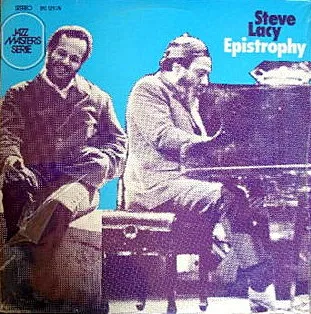
Epistrophy
Steve Lacy · 1969
36 min · 7 tracks · jazz
A bold exploration of avant-garde jazz textures, blending intricate melodies with spontaneous improvisation throughout its brief, yet impactful tracks.
Top tracks — play these first
-
→
Thelonious Start here — establishes the sonic palette early
-
→
Ruby My Dear — This track showcases Lacy's lyrical saxophone tone and deep emotional resonance, encapsulating the essence of Lacy's interpretative style while paying homage to Monk.
-
→
Epistrophy — The title track embodies the album's spirit of innovation, featuring complex rhythms and spontaneous improvisation that highlight Lacy's unique compositional approach.
-
→
Friday the Thirteenth — With its playful yet haunting themes, this piece exemplifies Lacy's skill at merging humor with intricate musical ideas, becoming a standout moment on the album.
Is this for you?
Good fit if you like
- intricate melodies inviting deep listening
- short tracks for focused sessions
- playful rhythms that spark creativity
- conversational interplay between instruments
Maybe skip if you
- seeking straightforward, catchy tunes
- prefer long, uninterrupted compositions
Where this album fits
- In the catalog
- Breakthrough — Established Lacy's reputation in avant-garde jazz after his work with Monk.
- Themes
- avant-garde jazz innovation· Monk's influence· spontaneous improvisation
- Career context
- Released in 1969, Epistrophy marked Steve Lacy's debut album as a leader, following his tenure as a sideman with influential figures like Thelonious Monk. At this point in his career, Lacy was emerging as a distinctive voice in the avant-garde jazz scene, showcasing his innovative approach to composition and performance.
- Stylistic neighbors
- Thundercat· Anderson .Paak· Mac Ayres
Tracklist
- 1 Thelonious Start here 7:12
- 2 Ruby My Dear 4:23
- 3 Light Blue 5:57
- 4 Epistrophy 2:14
- 5 Epistrophy, Part 2 6:46
- 6 Mysterioso 3:58
- 7 Friday the Thirteenth 5:47


If this landed
Records by other artists that run on the same instinct.
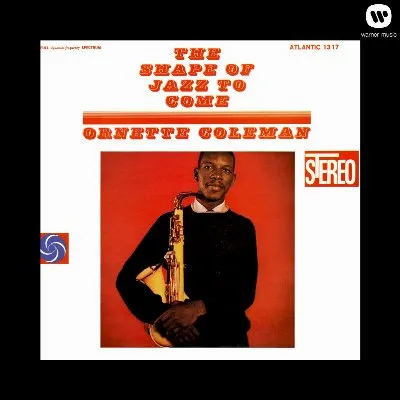
The Shape of Jazz to Come
Ornette Coleman
Explores free jazz improvisation with bold melodies and unconventional structures, akin to Lacy's adventurous spirit.
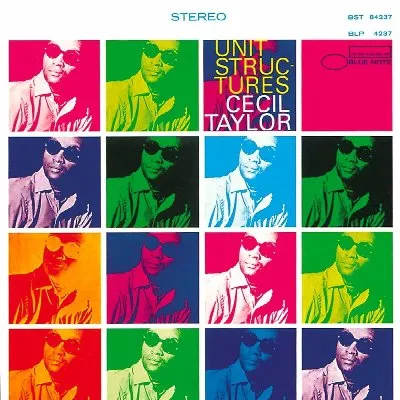
Unit Structures
Cecil Taylor
Shares a complex, avant-garde approach to jazz that emphasizes spontaneous interaction and intricate textures.
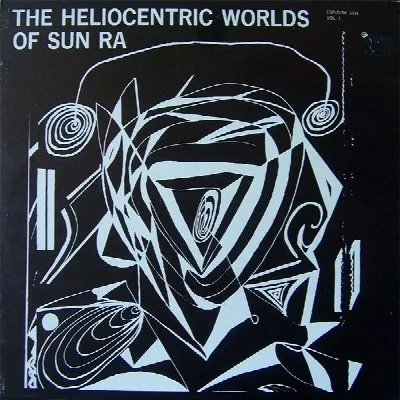
The Heliocentric Worlds of Sun Ra, Volume One
Sun Ra
Combines experimental jazz with cosmic themes and innovative arrangements, resonating with Lacy's exploratory style.
Reference: Wikipedia · MusicBrainz · Wikidata
Sync your library
Everything you track here works immediately — no account needed. Create one when you want to sync across devices.