

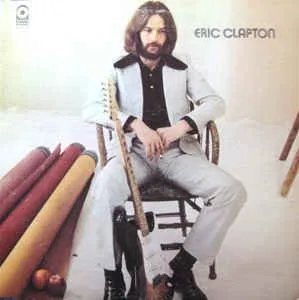
Eric Clapton
Eric Clapton · 1970
37 min · 11 tracks · blues
Clapton’s guitar slips into a warm Southern soul ensemble where horns and backing voices share the spotlight.
Top tracks — play these first
-
→
Slunky Start here — The opening instrumental introduces the album as a band affair, with horns and a buoyant rhythm section surrounding Clapton’s guitar.
-
→
After Midnight — Clapton turns J.J. Cale’s song into a loose, horn-driven party record, establishing the relaxed ensemble sound that helped launch his solo career.
-
→
Blues Power — Co-written with pianist Leon Russell, it folds blues and boogie into a punchy arrangement rather than treating the blues as a vehicle for an extended solo.
-
→
Let It Rain — The closing track builds from a simple repeated refrain into an expansive guitar-led finish, reconnecting the album’s songcraft with Clapton’s improvisational reputation.
Elevation
Our rating, out of 100 — and why.
AI-generated from five scored dimensions. An opinion, not a measurement.
The album blends rock and blues effectively, showcasing Clapton's guitar work and songwriting.
What we noticed
- The first half of the album features upbeat tracks with a strong rock influence, while the second half shifts to slower, more introspective songs.
- Several tracks incorporate call-and-response elements between Clapton's vocals and guitar, enhancing the blues feel.
- Composition 25% of the score
-
7/10
- Craft 20% of the score
-
8/10
- Durability 25% of the score
-
6/10
- Distinctiveness 18% of the score
-
7/10
- Sequencing 12% of the score
-
6/10
the writing — melody, harmony, structure, lyrics
production, performance, arrangement
whether it rewards returning to it
whether it sounds like itself
running order, pacing, length
Significant within its genre. Reported but not counted — how far a record travelled describes its reception rather than the record, and a newer release has had less time to travel than an older one.
Is this for you?
Good fit if you like
- steady mid-tempo groove throughout
- laid-back vibes for relaxation
- for afternoon gatherings
- emotive melodies for reflective moments
Maybe skip if you
- seekers of high-energy tracks
- prefer instant gratification tunes
Where this album fits
- In the catalog
- Breakthrough — This debut album marked Clapton's successful transition to a solo artist.
- Themes
- post-Cream identity· blues homage· introspective lyrics
- Career context
- Released in 1970, Eric Clapton was his first solo album after his stints with Cream and Blind Faith. Produced with Delaney Bramlett and featuring musicians from Delaney & Bonnie’s touring band, it shifted attention from extended guitar showcases toward compact songs and ensemble playing.
- Stylistic neighbors
- Gary Moore· Joe Bonamassa· John Mayer
Moments worth listening for
Where the writing does something specific.
-
Let It Rain
The opening compares love to sunlight and rain before the chorus repeatedly asks for the rain to fall.
The shift turns a weather comparison into a direct appeal, giving the extended arrangement a simple verbal anchor.
Tracklist
- 1 Slunky Start here 3:35
- 2 Bad Boy 3:35
- 3 Lonesome and a Long Way From Home 3:31
- 4 After Midnight 2:52
- 5 Easy Now 2:59
- 6 Blues Power 3:11
- 7 Bottle of Red Wine 3:08
- 8 Lovin’ You Lovin’ Me 3:21
- 9 Told You for the Last Time 2:32
- 10 Don’t Know Why 3:12
- 11 Let It Rain 5:01
What to play next
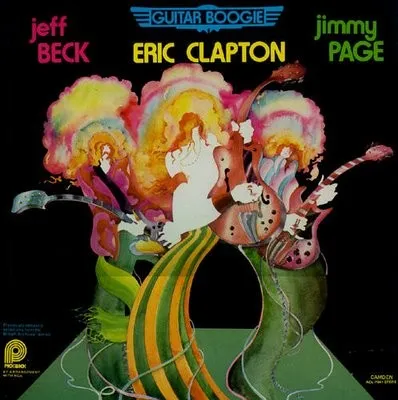
Guitar Boogie
1971
Continues the blues-rock vibe with more instrumental focus and Clapton's signature style.

Birthday Party: Rooster Tail Club, Detroit, March 30, 1978
If this landed
Records by other artists that run on the same instinct.
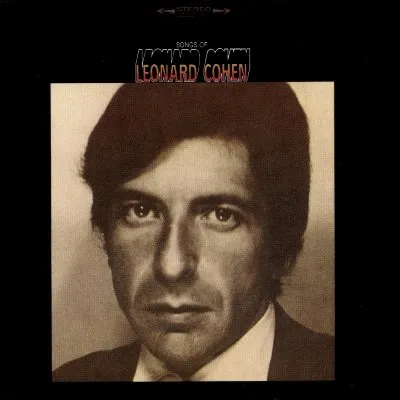
Songs of Leonard Cohen
Leonard Cohen
Shares introspective lyrics and a laid-back, emotive atmosphere with blues influences.
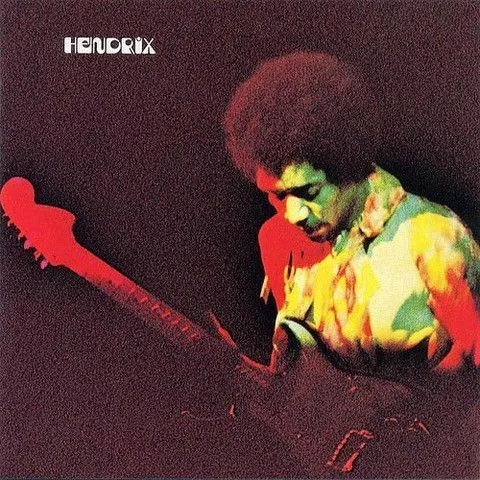
Band of Gypsys
Jimi Hendrix
Explores psychedelic rock textures and emotive guitar work in a more personal context.

Self Portrait
Bob Dylan
Combines bluesy undertones with introspective storytelling in a laid-back sound.
Reference: Wikipedia · MusicBrainz · Wikidata
Sync your library
Everything you track here works immediately — no account needed. Create one when you want to sync across devices.