


Released 60 years ago this November
FG
France Gall · 1966
28 min · 12 tracks · pop music
Bright yé-yé pop carries France Gall’s light voice through arrangements that can turn playful innocence into something more ambiguous.
Top tracks — play these first
-
→
Tu n’as pas le droit Start here — establishes the sonic palette early
-
→
Les sucettes — Gall’s innocent delivery gives Gainsbourg’s double-entendre writing its unsettling edge, making the track central to the album’s history.
-
→
Bonsoir John John — Addressed to John F. Kennedy Jr., this tender song brings a note of public mourning into Gall’s youthful pop world.
-
→
Les leçons particulières — Its classroom setting places adult flirtation alongside the schoolgirl imagery that surrounded Gall’s early career.
-
→
La guerre des chansons — The song turns competition between songs into pop subject matter, offering a playful glimpse of the era’s music business from inside the record.
Elevation
Our rating, out of 100 — and why.
AI-generated from five scored dimensions. An opinion, not a measurement.
The album showcases catchy melodies and playful lyrics typical of yé-yé pop, with some standout tracks but uneven depth.
What we noticed
- The album features a consistent use of upbeat tempos, with the first eight tracks maintaining a lively energy before slowing down in the final four.
- Several tracks employ playful call-and-response vocal arrangements, enhancing the interactive feel of the music.
- Composition 25% of the score
-
6/10
- Craft 20% of the score
-
7/10
- Durability 25% of the score
-
5/10
- Distinctiveness 18% of the score
-
7/10
- Sequencing 12% of the score
-
6/10
the writing — melody, harmony, structure, lyrics
production, performance, arrangement
whether it rewards returning to it
whether it sounds like itself
running order, pacing, length
Known within its scene. Reported but not counted — how far a record travelled describes its reception rather than the record, and a newer release has had less time to travel than an older one.
Is this for you?
Good fit if you like
- playful melodies for lighthearted moments
- steady pacing for casual listening
- sing-along fun with friends
- short tracks for quick enjoyment
Maybe skip if you
- prefer lengthy immersive albums
- seek deep emotional narratives
Where this album fits
- In the catalog
- Breakthrough — This album solidified her reputation in the yé-yé genre after her breakout hit.
- Themes
- Gainsbourg-era innuendo· French yé-yé courtship· winter snowfall
- Career context
- Released in 1966, FG followed France Gall’s Eurovision victory the previous year with Serge Gainsbourg’s “Poupée de cire, poupée de son.” Still a teenager, she was working with prominent French songwriters as her records moved between youthful pop and more provocative material.
- Stylistic neighbors
- Sylvie Vartan· Françoise Hardy· Claudine Longet
Tracklist
- 1 Tu n’as pas le droit Start here 2:01
- 2 Il neige 2:20
- 3 Oh ! Quelle famille 1:59
- 4 Les leçons particulières 2:33
- 5 J’ai retrouvé mon chien 2:37
- 6 Bonsoir John John 2:16
- 7 Celui que j’aime 2:33
- 8 L’écho 2:17
- 9 La rose des vents 2:22
- 10 La guerre des chansons 2:33
- 11 Les sucettes 2:33
- 12 Quand on est ensemble 2:06
What to play next
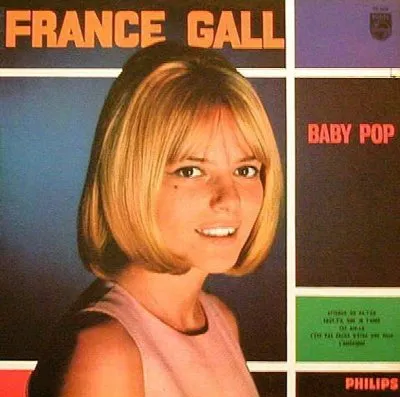
Baby pop
1966
Continues the yé-yé vibe with catchy melodies and playful themes.
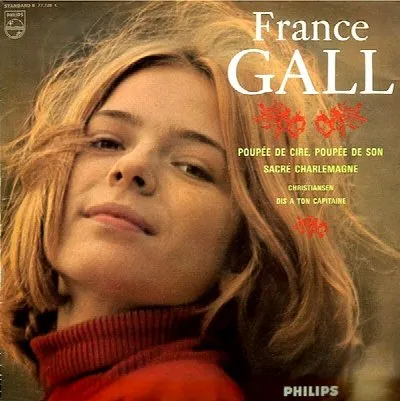
Poupée de cire, poupée de son
1965
Sets the stage with similar energetic yé-yé sounds and lyrical playfulness.
If this landed
Records by other artists that run on the same instinct.
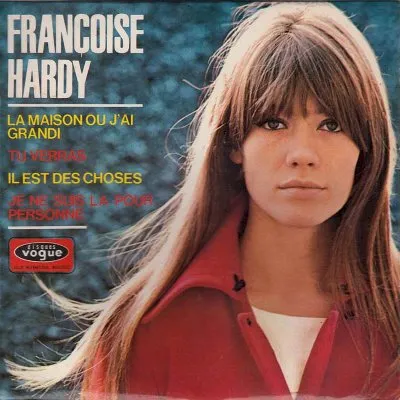
La maison où j’ai grandi
Françoise Hardy
Shares mid-60s French pop melodies, though Hardy's courtship songs turn more inward and wistful.
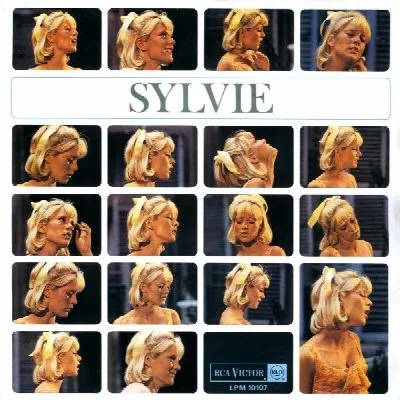
Il y a deux filles en moi
Sylvie Vartan
Same-era yé-yé courtship pop, with bright hooks and polished arrangements.
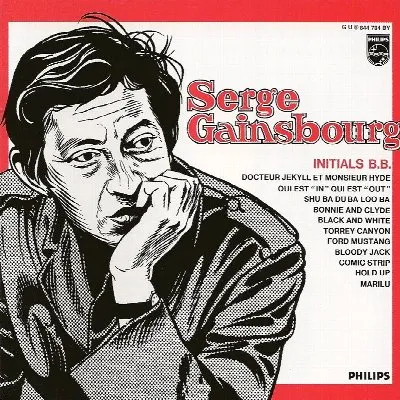
Initials B.B.
Serge Gainsbourg
Extends the sly Gainsbourg-era innuendo into lush, orchestrated French pop.
Reference: Wikipedia · MusicBrainz · Wikidata
Sync your library
Everything you track here works immediately — no account needed. Create one when you want to sync across devices.