


Fireball
Deep Purple · 1971
40 min · 7 tracks · hard rock
A fiery blend of hard rock and progressive elements ignites with explosive energy and intricate musicianship throughout the album.
Top tracks — play these first
-
→
Fireball Start here — The title track opens the album with an energetic blend of hard rock and intricate instrumentation, encapsulating the band's signature style.
-
→
Demon’s Eye — This track features haunting vocals and a heavy riff that exemplify Deep Purple's darker thematic elements, making it a standout in their catalog.
-
→
Fools — An expansive track that showcases the band's progressive tendencies through its dynamic shifts and elaborate solos, highlighting their musical ambition.
Elevation
Our rating, out of 100 — and why.
AI-generated from five scored dimensions. An opinion, not a measurement.
Deep Purple's 'Fireball' combines hard rock with progressive elements, showcasing strong musicianship but uneven pacing.
What we noticed
- The album opens with the title track, which features a rapid tempo and intricate guitar solos, setting a high-energy tone.
- The track 'The Mule' includes a unique drum solo that disrupts the flow of the album, creating a distinct moment within the sequence.
- Composition 25% of the score
-
7/10
- Craft 20% of the score
-
8/10
- Durability 25% of the score
-
6/10
- Distinctiveness 18% of the score
-
7/10
- Sequencing 12% of the score
-
5/10
the writing — melody, harmony, structure, lyrics
production, performance, arrangement
whether it rewards returning to it
whether it sounds like itself
running order, pacing, length
Significant within its genre. Reported but not counted — how far a record travelled describes its reception rather than the record, and a newer release has had less time to travel than an older one.
Is this for you?
Good fit if you like
- steady, consistent energy levels
- dynamic emotional journeys
- long, immersive listening sessions
- gradual builds and payoffs
Where this album fits
- In the catalog
- Breakthrough — Followed a successful album and solidified their reputation in hard rock.
- Themes
- fiery ambition· dynamic musicianship
- Career context
- Released on July 9, 1971, Fireball is Deep Purple's fifth studio album and follows their breakthrough record, In Rock. This release showcases the band's evolving sound as they delve deeper into progressive rock while maintaining their heavy metal roots, marking a significant moment in their career during a peak phase of creativity.
- Stylistic neighbors
- Led Zeppelin· Black Sabbath· Rainbow
Moments worth listening for
Where the writing does something specific.
-
No One Came
The narrative shifts from a personal lament to a broader commentary on isolation and despair, revealing layers of emotional complexity.
By intertwining personal reflection with social critique, this moment deepens the song's impact, showcasing lyrical sophistication not often found in hard rock.
Tracklist
- 1 Fireball Start here 3:23
- 2 No No No 6:53
- 3 Demon’s Eye 5:18
- 4 Anyone’s Daughter 4:41
- 5 The Mule 5:20
- 6 Fools 8:18
- 7 No One Came 6:23

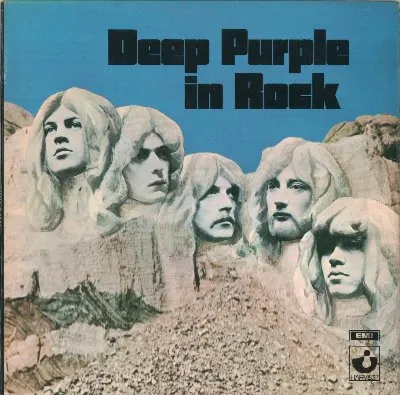
If this landed
Records by other artists that run on the same instinct.
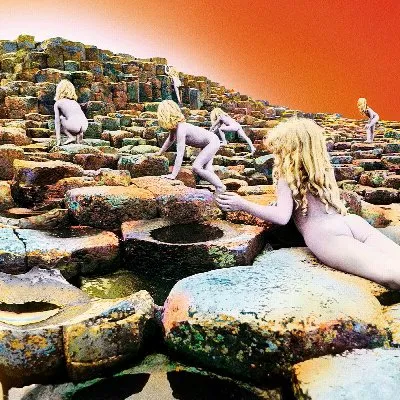
Houses of the Holy
Led Zeppelin
Shares complex arrangements and dynamic shifts, blending hard rock with progressive elements.
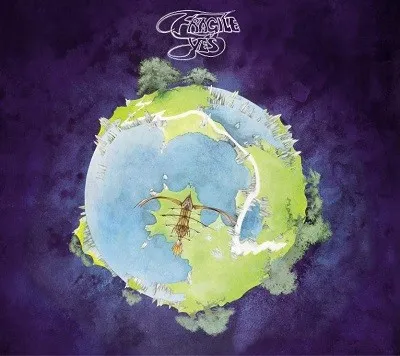
Fragile
Yes
Combines intricate musicianship with ambitious themes, echoing the progressive rock vibe of 'Fireball.'

Force It
UFO
Features explosive energy and a hard rock sound that aligns with the fiery ambition found in 'Fireball.'
Reference: Wikipedia · MusicBrainz · Wikidata
Sync your library
Everything you track here works immediately — no account needed. Create one when you want to sync across devices.