

Released 80 years ago
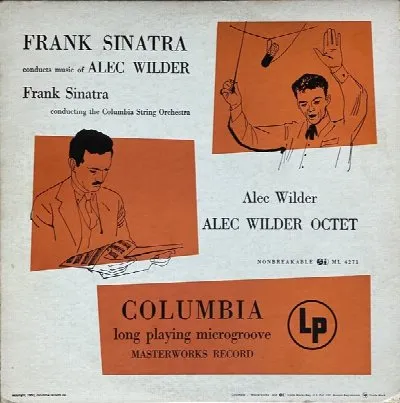
Frank Sinatra Conducts Music of Alec Wilder
Frank Sinatra · 1946
44 min · 13 tracks · blues
Woodwinds trace delicate melodies through chamber arrangements that borrow jazz’s ease without surrendering classical poise.
Top tracks — play these first
-
→
Air for Oboe Start here — The oboe’s exposed melodic line introduces the intimate chamber-music setting and Wilder’s gift for songlike instrumental writing.
-
→
Air for Bassoon — A bassoon takes the melodic spotlight, lending the music a lower-register warmth rarely featured so prominently on a Sinatra release.
-
→
Air for English Horn — The English horn’s plaintive color offers another perspective on Wilder’s series of airs, keeping the focus on instrumental character rather than vocal performance.
-
→
Theme and Variations — Its variation form places the emphasis on how a musical idea can be reshaped, complementing the more instrument-centered airs.
Elevation
Our rating, out of 100 — and why.
AI-generated from five scored dimensions. An opinion, not a measurement.
The album blends classical and popular styles effectively, though its cohesion is somewhat uneven across tracks.
What we noticed
- Sinatra's vocals are consistently smooth and melodic, often layered over lush strings that create a warm atmosphere throughout the record.
- Several tracks incorporate variations in tempo and dynamics, with some pieces maintaining a slow, reflective pace while others introduce more lively sections.
- Composition 25% of the score
-
7/10
- Craft 20% of the score
-
8/10
- Durability 25% of the score
-
6/10
- Distinctiveness 18% of the score
-
7/10
- Sequencing 12% of the score
-
5/10
the writing — melody, harmony, structure, lyrics
production, performance, arrangement
whether it rewards returning to it
whether it sounds like itself
running order, pacing, length
Known within its scene. Reported but not counted — how far a record travelled describes its reception rather than the record, and a newer release has had less time to travel than an older one.
Is this for you?
Good fit if you like
- gentle orchestral elegance throughout
- steady pacing for relaxed evenings
- smooth vocals for intimate settings
- soothing background for quiet moments
Maybe skip if you
- seekers of high-energy tracks
- prefer standalone hit singles
Where this album fits
- In the catalog
- Breakthrough — This album marked Sinatra's transition to a leading solo artist, showcasing innovation.
- Themes
- post-war sophistication· orchestral intimacy
- Career context
- Released in 1946, this was Sinatra’s first album as a conductor, arriving during his hugely successful early solo career at Columbia. Rather than sing, he used his position to champion Alec Wilder’s instrumental writing.
- Stylistic neighbors
- Tony Bennett· Nat King Cole· Dean Martin
Tracklist
- 1 Air for Oboe Start here 3:35
- 2 Air for Bassoon 4:34
- 3 Air for Flute 4:33
- 4 Air for English Horn 3:57
- 5 Slow Dance 4:06
- 6 Theme and Variations 4:11
- 7 Such a Tender Night 3:06
- 8 She'll Be Seven in May 2:59
- 9 It's Silk, Feel It! 2:31
- 10 Seldom the Sun 3:16
- 11 Her Old Man Was Suspicious 2:24
- 12 His First Long Pants 2:37
- 13 Pieces of Eight 2:26
If this landed
Records by other artists that run on the same instinct.
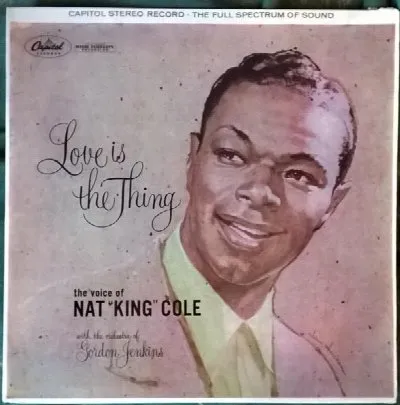
Love Is the Thing
Nat King Cole
Features lush orchestral arrangements and smooth vocals, capturing post-war romantic sophistication.

Ella Fitzgerald Sings the George and Ira Gershwin Songbook
Ella Fitzgerald
Combines rich orchestration with emotive vocal interpretations, resonating with intimacy and elegance.
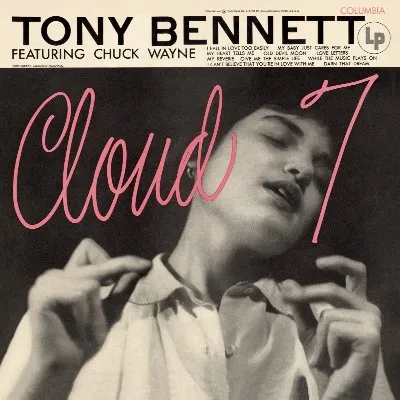
Cloud 7
Tony Bennett
Marries big band arrangements with heartfelt vocals, reflecting a similar post-war sophistication and charm.
Reference: Wikipedia · MusicBrainz · Wikidata
Sync your library
Everything you track here works immediately — no account needed. Create one when you want to sync across devices.