

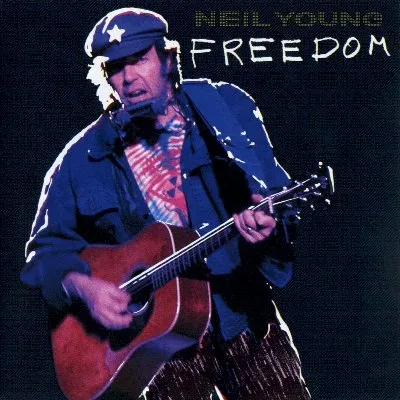
Freedom
Neil Young · 1989
61 min · 12 tracks · alternative rock
Acoustic vulnerability gives way to scorched electric guitar as the same protest song opens and closes the record.
Top tracks — play these first
-
→
Rockin’ in the Free World Start here — The opening acoustic performance gives the song’s refrain a brittle edge; its electric reprise at the end turns the same words into an arena-sized indictment.
-
→
Crime in the City (Sixty to Zero, Part I) — Over an extended, horn-colored arrangement, a succession of urban snapshots lets social observation unfold at the pace of a short story.
-
→
Eldorado — Jagged electric guitar and a dramatic Latin-tinged arrangement give this narrative a tension that contrasts sharply with the album’s gentler songs.
-
→
Wrecking Ball — A spare, swaying love song offers a quieter counterweight to the record’s public anger, with the vocal carrying both tenderness and unease.
Elevation
Our rating, out of 100 — and why.
AI-generated from five scored dimensions. An opinion, not a measurement.
The album combines raw energy with poignant lyrics, showcasing Young's distinctive voice and thematic depth.
What we noticed
- The album opens with a high-energy anthem, 'Rockin’ in the Free World,' which sets a raw and gritty tone that persists throughout.
- Tracks like 'Crime in the City' feature a narrative structure, blending storytelling with social commentary, while others like 'Don’t Cry' shift to more introspective themes.
- The final track is a reprise of the opening song, creating a cyclical feel that emphasizes its thematic concerns.
- Composition 25% of the score
-
7/10
- Craft 20% of the score
-
8/10
- Durability 25% of the score
-
7/10
- Distinctiveness 18% of the score
-
8/10
- Sequencing 12% of the score
-
6/10
the writing — melody, harmony, structure, lyrics
production, performance, arrangement
whether it rewards returning to it
whether it sounds like itself
running order, pacing, length
Significant within its genre. Reported but not counted — how far a record travelled describes its reception rather than the record, and a newer release has had less time to travel than an older one.
Is this for you?
Good fit if you like
- dynamic journey with emotional peaks
- raw, gritty anthems for reflection
- engaging storytelling through varied pacing
- for late-night introspection
Maybe skip if you
- prefer instant gratification tracks
- dislike reflective lyrical content
Where this album fits
- In the catalog
- Breakthrough — Revitalized Young's career and established wider recognition with 'Rockin' in the Free World.'
- Themes
- American cultural critique· personal turmoil· chaotic search for meaning
- Career context
- Released in 1989, Freedom followed Neil Young’s return to Reprise Records after a turbulent decade at Geffen. It came after the horn-driven This Note’s for You and drew material from Eldorado, an electric EP released earlier in 1989.
Moments worth listening for
Where the writing does something specific.
-
Rockin’ in the Free World
A verse follows a woman who leaves her baby in a garbage can before seeking drugs, then returns to the celebratory refrain.
The abrupt return makes the refrain work as irony rather than a straightforward declaration of national pride.
Tracklist
- 1 Rockin’ in the Free World Start here 3:39
- 2 Crime in the City (Sixty to Zero, Part I) 8:44
- 3 Don’t Cry 4:15
- 4 Hangin’ on a Limb 4:19
- 5 Eldorado 6:05
- 6 The Ways of Love 4:29
- 7 Someday 5:42
- 8 On Broadway 4:59
- 9 Wrecking Ball 5:09
- 10 No More 6:06
- 11 Too Far Gone 2:48
- 12 Rockin’ in the Free World Start here 4:42
What to play next
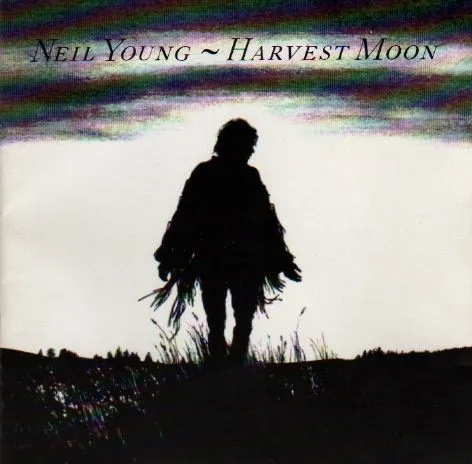
Harvest Moon
1992
Continues the introspective themes with a softer, reflective sound.
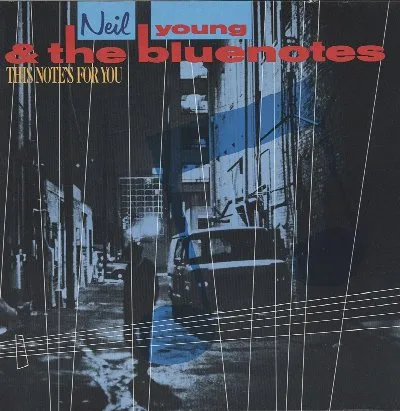
This Note's for You
1988
Sets the stage with a blend of rock and social commentary leading into Freedom.
If this landed
Records by other artists that run on the same instinct.
Reference: Wikipedia · MusicBrainz · Wikidata
Sync your library
Everything you track here works immediately — no account needed. Create one when you want to sync across devices.