

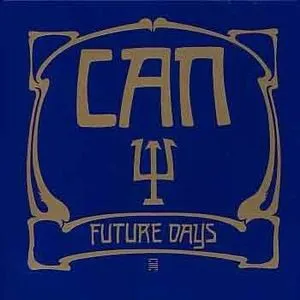
Future Days
Can · 1973
41 min · 4 tracks · progressive rock
Can’s rhythms drift through a humid electronic haze where Damo Suzuki’s voice seems to dissolve into the air.
Top tracks — play these first
-
→
Future Days — The opening track eases into a rolling rhythm as Suzuki’s voice emerges from a soft shimmer of percussion and electronics.
-
→
Spray — Jaki Liebezeit’s taut drumming drives a more unsettled piece, with clipped vocal fragments and instrumental details darting through the mix.
-
→
Moonshake — The album’s shortest track compresses Can’s rhythmic experimentation into a springy, unusually direct song.
-
→
Bel Air — This side-long piece lets its groove change gradually, stretching the band’s interplay into an expansive, drifting finale.
Elevation
Our rating, out of 100 — and why.
AI-generated from five scored dimensions. An opinion, not a measurement.
Future Days showcases innovative structures and immersive soundscapes, marking a high point in Can's experimental journey.
What we noticed
- The album features long, flowing tracks that often extend beyond the six-minute mark, allowing for gradual development of themes.
- Vocals are used sparingly and often treated with effects, blending into the overall soundscape rather than standing out as traditional lead lines.
- Composition 25% of the score
-
8/10
- Craft 20% of the score
-
9/10
- Durability 25% of the score
-
8/10
- Distinctiveness 18% of the score
-
9/10
- Sequencing 12% of the score
-
7/10
the writing — melody, harmony, structure, lyrics
production, performance, arrangement
whether it rewards returning to it
whether it sounds like itself
running order, pacing, length
Significant within its genre. Reported but not counted — how far a record travelled describes its reception rather than the record, and a newer release has had less time to travel than an older one.
Where this album fits
- In the catalog
- Critical Peak — Showcases Can's artistic high point and innovative sound in the Krautrock genre.
- Themes
- aquatic soundscapes· tropical percussion· 1970s German psychedelia
- Career context
- Released in 1973, Future Days followed Ege Bamyasi and was Can’s last studio album with vocalist Damo Suzuki. The band moved toward more spacious, subtly layered arrangements while retaining the improvisatory pulse that had shaped its earlier records.
- Stylistic neighbors
- Neu!· Amon Düül II· Faust
Moments worth listening for
Where the writing does something specific.
-
Moonshake
The refrain repeatedly addresses its named subject rather than developing a narrative around them.
That recurring address gives the clipped vocal a rhythmic function alongside the drums and bass.
Tracklist
Best experienced from track one — press play and let it unfold.
- 1 Future Days 9:34
- 2 Spray 8:28
- 3 Moonshake 3:02
- 4 Bel Air 20:00
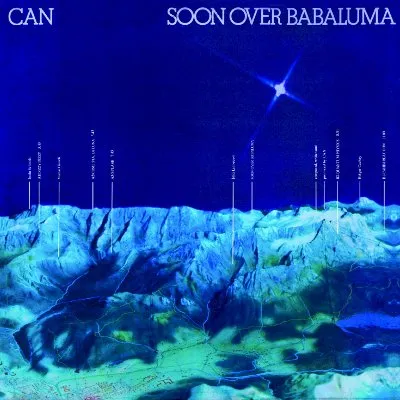

If this landed
Records by other artists that run on the same instinct.
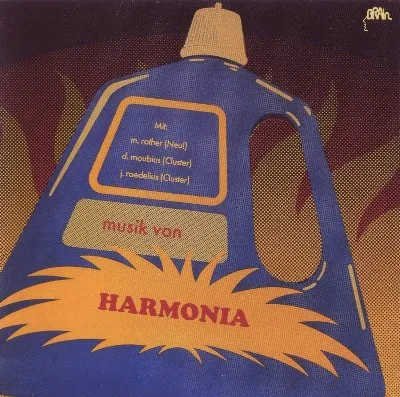
Musik von Harmonia
Harmonia
Pairs gently cycling krautrock rhythms with melodic, drifting textures in a similarly fluid sound world.
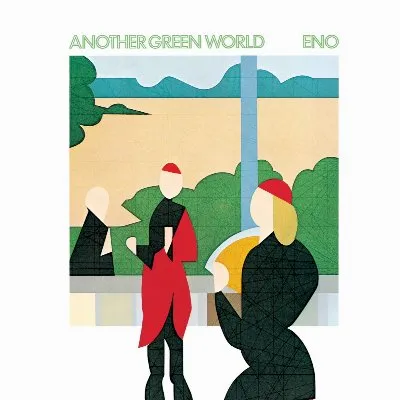
Another Green World
Brian Eno
Shares a surreal, dreamlike atmosphere, balancing concise melodies with spacious experimental textures.
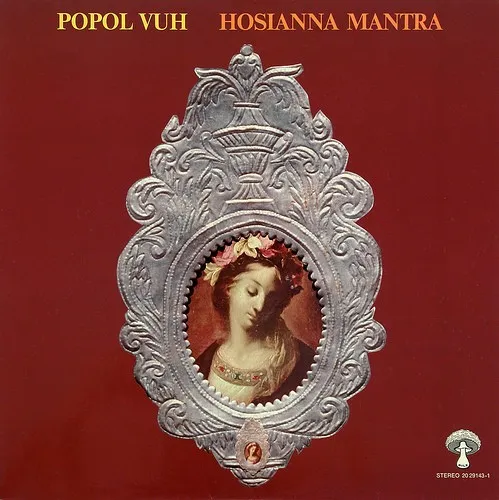
Hosianna Mantra
Popol Vuh
Its serene, floating melodies and organic instrumentation echo the album’s meditative, otherworldly side.
Reference: Wikipedia · MusicBrainz · Wikidata
Sync your library
Everything you track here works immediately — no account needed. Create one when you want to sync across devices.