

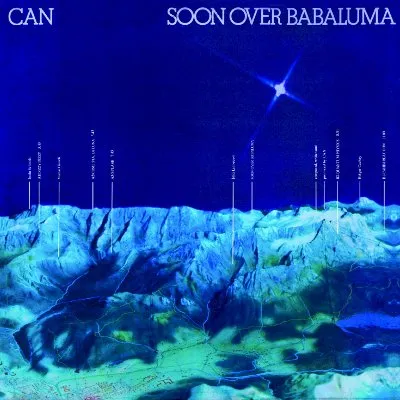
Released 52 years ago this November
Soon Over Babaluma
Can · 1974
38 min · 5 tracks · progressive rock
Can’s grooves drift toward a nocturnal dreamscape where violin flickers over restless percussion and electronics seem to dissolve into the air.
Top tracks — play these first
-
→
Dizzy Dizzy Start here — Karoli’s violin and voice give the opening track an off-kilter lilt, while Jaki Liebezeit’s drums keep its swaying groove firmly in motion.
-
→
Come Sta, La Luna — Its theatrical vocal delivery and slinking rhythm turn the album’s dreaminess into something playful and faintly disorienting.
-
→
Chain Reaction — An insistent rhythmic pulse drives this extended piece as instrumental details accumulate and shift around it, showing how Can could build tension without conventional song structure.
-
→
Quantum Physics — The closing track loosens the grip of the preceding groove, letting percussion and electronic textures drift through a sparse, unsettled space.
Elevation
Our rating, out of 100 — and why.
AI-generated from five scored dimensions. An opinion, not a measurement.
The album's experimental approach and unique sound make it a notable entry in the progressive rock genre.
What we noticed
- The album opens with a track that features a repetitive, hypnotic rhythm layered with dissonant melodies, setting an experimental tone.
- Each of the five tracks varies significantly in length and structure, with some extending into improvisational sections that diverge from traditional song forms.
- The use of unconventional instruments and sound effects throughout creates a fluid soundscape that challenges typical rock dynamics.
- Composition 25% of the score
-
7/10
- Craft 20% of the score
-
8/10
- Durability 25% of the score
-
6/10
- Distinctiveness 18% of the score
-
8/10
- Sequencing 12% of the score
-
5/10
the writing — melody, harmony, structure, lyrics
production, performance, arrangement
whether it rewards returning to it
whether it sounds like itself
running order, pacing, length
Significant within its genre. Reported but not counted — how far a record travelled describes its reception rather than the record, and a newer release has had less time to travel than an older one.
Is this for you?
Good fit if you like
- steady, consistent energy levels
- long, immersive listening sessions
- dynamic emotional journeys
- hypnotic rhythmic explorations
Where this album fits
- In the catalog
- Experimental — This album represents a shift in Can's sound, embracing more avant-garde elements.
- Themes
- post-Damo Suzuki transition· German krautrock experimentation· hypnotic motorik rhythms
- Career context
- Released in 1974, Soon Over Babaluma was Can’s first studio album after vocalist Damo Suzuki left the group. Following Future Days, the remaining quartet continued without a permanent replacement singer, with guitarist Michael Karoli and keyboardist Irmin Schmidt sharing vocal duties.
- Stylistic neighbors
- Neu!· Amon Düül II· Faust
Tracklist
- 1 Dizzy Dizzy Start here 5:41
- 2 Come Sta, La Luna 5:43
- 3 Splash 7:47
- 4 Chain Reaction 11:10
- 5 Quantum Physics 8:31


If this landed
Records by other artists that run on the same instinct.

Musik von Harmonia
Harmonia
Shares the fluid, largely instrumental krautrock interplay of cycling rhythms, guitar, and airy keyboards.

Zuckerzeit
Cluster
Pairs repetitive pulses with drifting electronic textures and melodies that sidestep conventional rock structures.
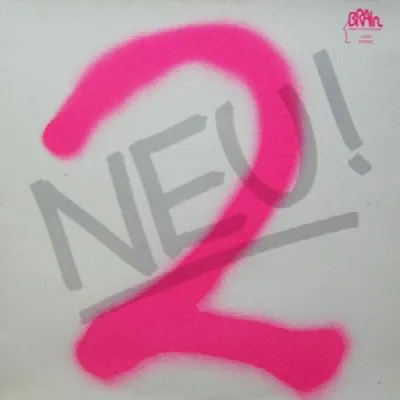
Neu! 2
Neu!
Its motorik momentum and exploratory studio approach echo the album’s hypnotic, shifting grooves.
Reference: Wikipedia · MusicBrainz · Wikidata
Sync your library
Everything you track here works immediately — no account needed. Create one when you want to sync across devices.