


G-Man
44 min · 4 tracks · jazz
A vibrant exploration of jazz's expansive territory, blending intricate improvisations with rhythmic complexity and a spirited ensemble dynamic.
Top tracks — play these first
-
→
G-Man — The title track serves as a bold opener, featuring an extended solo that showcases Rollins' mastery of rhythm and melody within its intricate structure.
-
→
Don't Stop the Carnival — This track encapsulates a celebratory spirit with its lively tempo and rich interplay among musicians, illustrating Rollins' ability to blend lyrical themes with musical storytelling.
-
→
Tenor Madness — Originally composed by John Coltrane, Rollins' rendition offers a fresh perspective through his dynamic phrasing and energetic drive, highlighting his improvisational skill.
Elevation
Our rating, out of 100 — and why.
AI-generated from five scored dimensions. An opinion, not a measurement.
InstrumentalRollins blends intricate improvisation with rhythmic complexity, creating a distinctive sound that rewards repeated listens.
What we noticed
- Each track varies in tempo and mood, with 'Don't Stop the Carnival' introducing a lively, upbeat feel that contrasts with the more introspective 'Kim'.
- The album closes with 'Tenor Madness', which includes extended solos that highlight the musicians' technical prowess and collective synergy.
- Composition 25% of the score
-
7/10
- Craft 20% of the score
-
8/10
- Durability 25% of the score
-
7/10
- Distinctiveness 18% of the score
-
8/10
- Sequencing 12% of the score
-
6/10
the writing — melody, harmony, structure, lyrics
production, performance, arrangement
whether it rewards returning to it
whether it sounds like itself
running order, pacing, length
Known within its scene. Reported but not counted — how far a record travelled describes its reception rather than the record, and a newer release has had less time to travel than an older one.
Where this album fits
- In the catalog
- Late Career Highlight — G-Man showcases Rollins' continued evolution and relevance after a long hiatus.
- Themes
- Caribbean rhythms· improvisational exploration· jazz renaissance
- Career context
- Released in 1986, G-Man marked Sonny Rollins' return to the recording studio after a five-year hiatus. This album showcases Rollins' continuous evolution as an artist, following his earlier acclaimed works like The Bridge and Way Out West. At this point, he was celebrated not just for his technical prowess but also for his innovative approaches to composition and performance.
- Stylistic neighbors
- John Coltrane· Ornette Coleman· Wayne Shorter
Tracklist
Best experienced from track one — press play and let it unfold.
- 1 G-Man 15:23
- 2 Kim 6:00
- 3 Don't Stop the Carnival 11:21
- 4 Tenor Madness 12:02


If this landed
Records by other artists that run on the same instinct.

Sound Grammar
Ornette Coleman
Explores free jazz improvisation with a focus on rhythmic freedom and innovative structures.
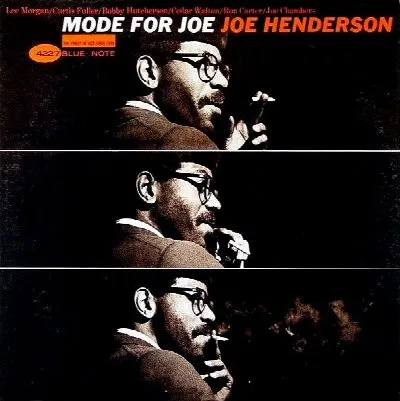
Mode for Joe
Joe Henderson
Features complex rhythms and adventurous saxophone lines, emphasizing instrumental dialogues.

Return to Forever
Chick Corea
Blends jazz with Latin influences, showcasing intricate arrangements and improvisational depth.
Reference: Wikipedia · MusicBrainz · Wikidata
Sync your library
Everything you track here works immediately — no account needed. Create one when you want to sync across devices.