

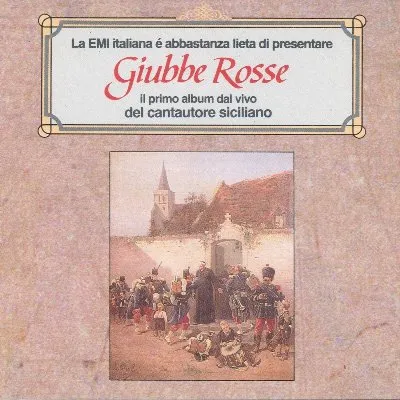
Giubbe rosse
Franco Battiato · 1989
64 min · 16 tracks · new wave
Concert-stage electronics and sweeping melodies carry Franco Battiato’s restless songs between pop immediacy and contemplative stillness.
Top tracks — play these first
-
→
Giubbe rosse Start here — title track provides a direct entry into the album
-
→
Alexander Platz — Battiato’s interpretation of a song associated with Alice brings its portrait of Berlin into this retrospective, emphasizing the theatrical side of his writing.
-
→
Voglio vederti danzare — Its dance imagery and insistent rhythmic drive show how Battiato could turn an interest in ritual and cultures beyond Italy into expansive pop.
-
→
Centro di gravità permanente — The signature refrain gives the concert a communal focal point, while the verses’ unlikely cast keeps the song stranger than its familiar melody suggests.
-
→
E ti vengo a cercare — Its measured pace and direct address offer a quieter counterweight to the set’s more extroverted songs, drawing on the introspective mood of Fisiognomica.
Elevation
Our rating, out of 100 — and why.
AI-generated from five scored dimensions. An opinion, not a measurement.
Strong, varied songwriting carries the set, but its concert-spanning selection is more a survey of songs than a tightly shaped album sequence.
What we noticed
- The 16-track live set opens with eight songs before shifting to older material, including a run from “Sequenze e frequenze” through “Summer on a Solitary Beach.”
- It moves between long-form pieces such as “Mesopotamia” and “Sequenze e frequenze” and compact songs such as “Cuccurucucù,” without interrupting the concert-set format.
- The closing stretch pairs “Centro di gravità permanente” and “Gli uccelli” with the slower “E ti vengo a cercare,” easing the pace at the end.
- Composition 25% of the score
-
8/10
- Craft 20% of the score
-
7/10
- Durability 25% of the score
-
7/10
- Distinctiveness 18% of the score
-
6/10
- Sequencing 12% of the score
-
6/10
the writing — melody, harmony, structure, lyrics
production, performance, arrangement
whether it rewards returning to it
whether it sounds like itself
running order, pacing, length
Known within its scene. Reported but not counted — how far a record travelled describes its reception rather than the record, and a newer release has had less time to travel than an older one.
Is this for you?
Good fit if you like
- quickly shifting song-to-song moods
- brief detours into longer reflection
- curiosity sparked by place-rich titles
- a full hour of varied
Maybe skip if you
- want one unbroken musical arc
- prefer albums under an hour
Where this album fits
- In the catalog
- Fan Favorite — A live document of Battiato’s acclaimed 1980s repertoire, offering dedicated listeners a concert-centered view of tha...
- Themes
- Alexanderplatz Berlin· ritual dance imagery· Italian songbook revisited
- Career context
- Released in 1989, Giubbe rosse followed Fisiognomica and revisited songs from across Battiato’s career in a live-album setting. It arrived after his 1987 opera Genesi, as his work continued to move between experimental composition and Italian popular song.
- Stylistic neighbors
- Brian Eno· David Bowie· Roxy Music
Tracklist
- 1 Giubbe rosse Start here 4:16
- 2 Alexander Platz 3:23
- 3 Lettera al governatore della Libia 3:26
- 4 Mesopotamia 4:24
- 5 L’era del cinghiale bianco 3:40
- 6 Un’altra vita 3:01
- 7 Voglio vederti danzare 3:25
- 8 Oceano di silenzio 4:26
- 9 Sequenze e frequenze 7:04
- 10 Aria di rivoluzione 3:38
- 11 No U Turn 4:25
- 12 Summer on a Solitary Beach 3:31
- 13 Cuccurucucù 2:59
- 14 Centro di gravità permanente 3:53
- 15 Gli uccelli 4:44
- 16 E ti vengo a cercare 3:58
What to play next
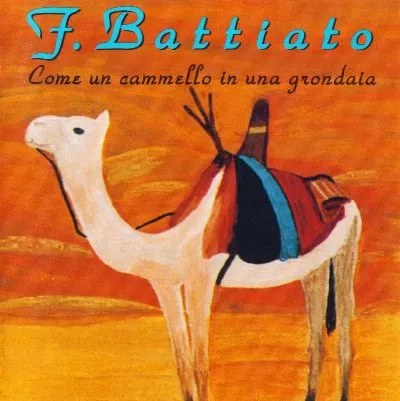
Come un cammello in una grondaia
1991
It carries the reflective, orchestral side of the live set into a focused studio album.
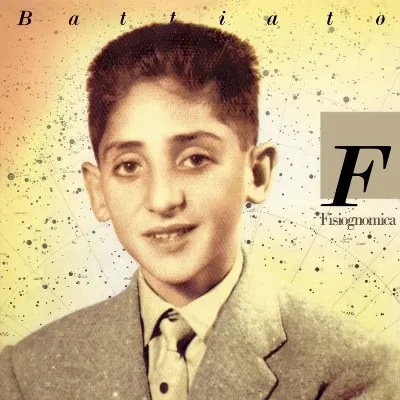
Fisiognomica
1988
Its contemplative songs and arrangements provide the studio foundation for much of the live-era sound.
If this landed
Records by other artists that run on the same instinct.
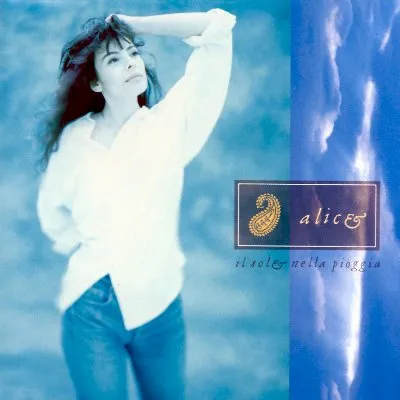
Il sole nella pioggia
Alice
Pairs Italian pop melodies with atmospheric electronics and spiritual, inward-looking themes.
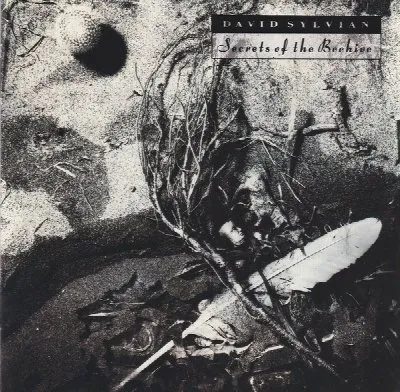
Secrets of the Beehive
David Sylvian
Shares the contemplative mood and sweeping arrangements, balancing intimate songs with art-pop textures.
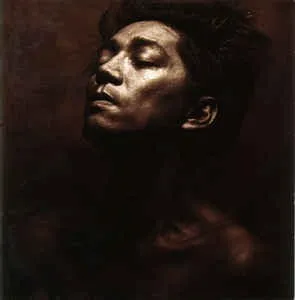
Beauty
Ryuichi Sakamoto
Blends electronic production, expansive melodies, and ritual-inflected sounds in an international pop setting.
Reference: Wikipedia · MusicBrainz · Wikidata
Sync your library
Everything you track here works immediately — no account needed. Create one when you want to sync across devices.