

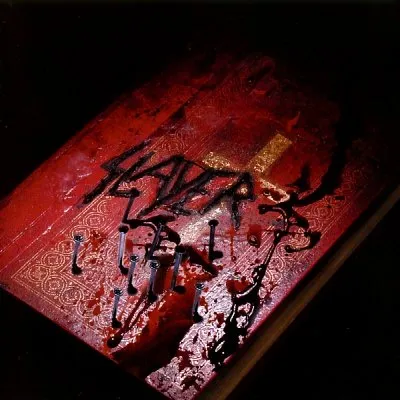
God Hates Us All
Slayer · 2001
49 min · 15 tracks · thrash metal
Down-tuned guitars grind against Dave Lombardo’s successor Paul Bostaph’s hard-driving drums while Tom Araya delivers his lines with a rasping urgency.
Top tracks — play these first
-
→
Disciple Start here — A blunt refrain and churning riff turn theological confrontation into one of the album’s most direct songs; it also earned a Grammy nomination.
-
→
Threshold — Its compact running time and surging guitar attack show how the album compresses its hostility into short bursts.
-
→
Bloodline — A slower, more deliberate groove gives the album room to breathe without relaxing its menace; the song also appeared on the Dracula 2000 soundtrack.
-
→
Payback — A blunt revenge narrative meets tightly wound riffing and an especially confrontational vocal performance.
Elevation
Our rating, out of 100 — and why.
AI-generated from five scored dimensions. An opinion, not a measurement.
The album delivers intense thrash metal with sharp riffs and provocative themes, maintaining a strong identity throughout.
What we noticed
- The album opens with a fast-paced track that features aggressive guitar riffs and rapid drumming, setting a relentless tone for the record.
- Each song typically follows a verse-chorus structure, but often incorporates tempo changes and breakdowns to maintain intensity.
- Lyrically, the themes are dark and confrontational, with several tracks addressing societal issues and personal struggles in a provocative manner.
- The last three tracks slow down slightly in tempo, providing brief moments of respite before concluding the album.
- Composition 25% of the score
-
7/10
- Craft 20% of the score
-
8/10
- Durability 25% of the score
-
6/10
- Distinctiveness 18% of the score
-
7/10
- Sequencing 12% of the score
-
6/10
the writing — melody, harmony, structure, lyrics
production, performance, arrangement
whether it rewards returning to it
whether it sounds like itself
running order, pacing, length
Known within its scene. Reported but not counted — how far a record travelled describes its reception rather than the record, and a newer release has had less time to travel than an older one.
Is this for you?
Good fit if you like
- relentless energy for workouts
- dark themes for introspection
- steady aggression during commutes
- cathartic release of tension
Maybe skip if you
- prefer soft, melodic sounds
- seek instant gratification tracks
Where this album fits
- In the catalog
- Breakthrough — Marked a significant cultural moment and controversy for Slayer, enhancing their visibility.
- Themes
- societal violence· faith and disillusionment· post-9/11 chaos
- Moods
- Aggressive· Dark
- Career context
- Released in 2001, God Hates Us All was Slayer’s ninth studio album and the follow-up to 1998’s Diabolus in Musica. It was the band’s last studio album with drummer Paul Bostaph before Dave Lombardo returned to the lineup in 2001.
- Stylistic neighbors
- Dark Angel· Kreator· Sodom
Moments worth listening for
Where the writing does something specific.
-
Disciple
The refrain repeatedly turns from the verses’ catalog of violence to an accusation that a deity hates humanity.
That return makes the refrain sound like a stark verdict on the scenes preceding it.
Tracklist
- 1 Darkness of Christ 1:30
- 2 Disciple Start here 3:35
- 3 God Send Death 3:45
- 4 New Faith 3:05
- 5 Cast Down 3:26
- 6 Threshold 2:29
- 7 Exile 3:55
- 8 Seven Faces 3:41
- 9 Bloodline 3:20
- 10 Deviance 3:09
- 11 War Zone 2:44
- 12 Scarstruck 3:29
- 13 Here Comes the Pain 4:32
- 14 Payback 3:03
- 15 Addict 3:43
What to play next
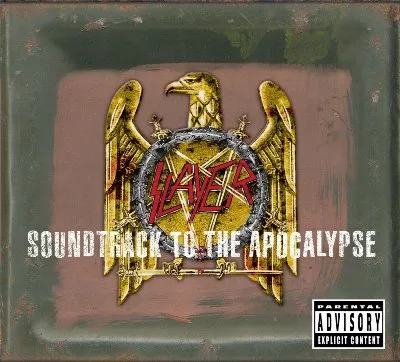
Soundtrack to the Apocalypse
2003
Continues the aggressive energy with a mix of live tracks and studio material.
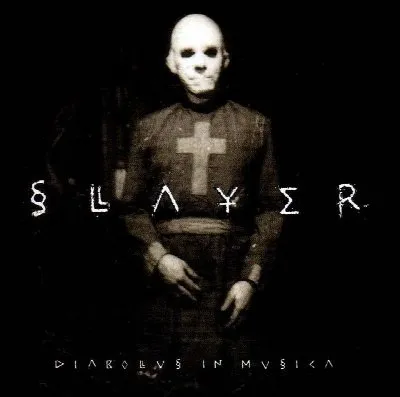
Diabolus in Musica
1998
Explores darker themes and a heavier sound, setting up for 'God Hates Us All'.
If this landed
Records by other artists that run on the same instinct.
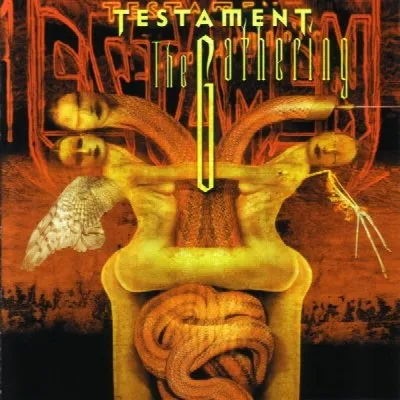
The Gathering
Testament
Shares turn-of-the-century thrash intensity, tightly clipped riffs, and a darker, more aggressive production.
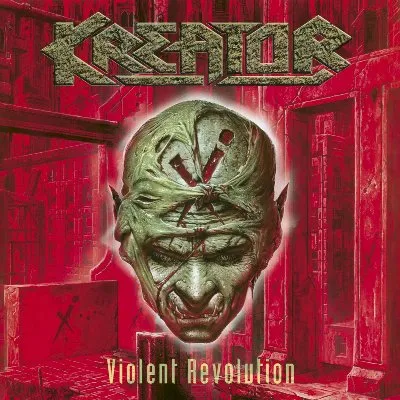
Violent Revolution
Kreator
A 2001 return to forceful thrash, pairing sharp riffs with bleak, confrontational themes.
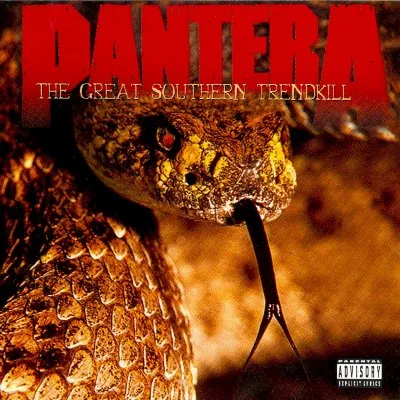
The Great Southern Trendkill
Pantera
Matches the punishing attack and hostile mood, with lyrics focused on violence, alienation, and disillusionment.
Reference: Wikipedia · MusicBrainz · Wikidata
Sync your library
Everything you track here works immediately — no account needed. Create one when you want to sync across devices.