

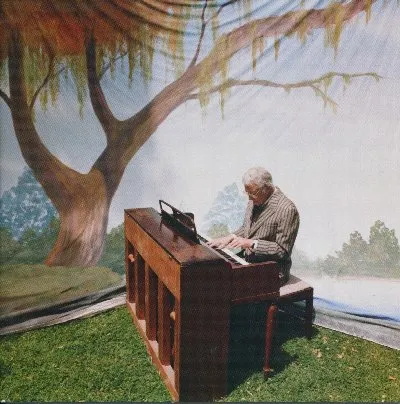
Harps and Angels
Randy Newman · 2008
34 min · 10 tracks · blues
Randy Newman’s piano steers a wry tour of mortality and American life through stately orchestration and loose New Orleans swing.
Top tracks — play these first
-
→
Harps and Angels Start here — A near-death encounter becomes a comic bureaucratic mix-up, set against piano and a buoyant New Orleans-flavored arrangement.
-
→
Losing You — Newman pares back the satire for a tender piano ballad, giving the album a direct emotional register alongside its elaborate character sketches.
-
→
A Few Words in Defense of Our Country — A conversational political monologue uses historical comparisons and an ironic defense of American leadership to expose the limits of patriotic reassurance.
-
→
Korean Parents — A comic comparison of parenting styles turns on Newman’s ability to make an exaggerated character reveal anxieties about achievement and family expectations.
-
→
Feels Like Home — Revisiting a song from Faust, Newman closes with an unguarded declaration of belonging that contrasts with the record’s sharper satirical voices.
Elevation
Our rating, out of 100 — and why.
AI-generated from five scored dimensions. An opinion, not a measurement.
Newman's sharp lyrics and varied arrangements create a compelling narrative throughout the album.
What we noticed
- The album opens with a title track that features a slow build, gradually layering instrumentation before settling into a steady groove.
- Several tracks, such as 'A Few Words in Defense of Our Country,' employ a conversational vocal style that enhances the storytelling aspect.
- The last three tracks feature a noticeable shift in tempo and mood, with 'Feels Like Home' closing the album on a more reflective note.
- Composition 25% of the score
-
7/10
- Craft 20% of the score
-
8/10
- Durability 25% of the score
-
6/10
- Distinctiveness 18% of the score
-
8/10
- Sequencing 12% of the score
-
7/10
the writing — melody, harmony, structure, lyrics
production, performance, arrangement
whether it rewards returning to it
whether it sounds like itself
running order, pacing, length
Known within its scene. Reported but not counted — how far a record travelled describes its reception rather than the record, and a newer release has had less time to travel than an older one.
Is this for you?
Good fit if you like
- sardonic wit with lush melodies
- steady reflective listening journey
- personal stories with social commentary
- bittersweet moments of introspection
Maybe skip if you
- prefer fast-paced instant gratification
- seek high-energy party tracks
Where this album fits
- In the catalog
- Critical Peak — Showcases Newman's sharp social commentary and melodic prowess, marking a significant artistic moment.
- Themes
- American political satire· mortality reflections· bittersweet nostalgia
- Career context
- Released in 2008, Harps and Angels was Newman’s first album of new material since Bad Love in 1999. In the intervening years he had concentrated heavily on film scores, winning an Oscar for the song from Monsters, Inc. in 2002. The album also revisits Feels Like Home, a song originally written for his 1995 musical Faust.
- Stylistic neighbors
- Warren Zevon· Harry Nilsson· Loudon Wainwright III
Tracklist
- 1 Harps and Angels Start here 5:07
- 2 Losing You 2:42
- 3 Laugh and Be Happy 2:19
- 4 A Few Words in Defense of Our Country 4:14
- 5 A Piece of the Pie 2:42
- 6 Easy Street 3:14
- 7 Korean Parents 3:26
- 8 Only a Girl 2:44
- 9 Potholes 3:42
- 10 Feels Like Home 4:37
What to play next
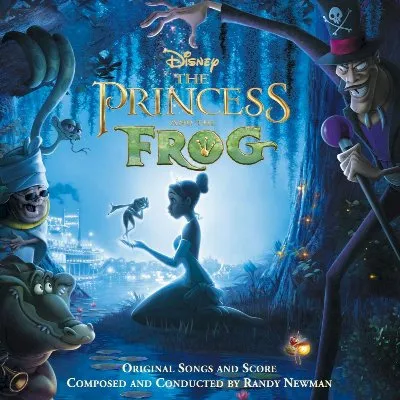
The Princess and the Frog – Original Songs and Score
2009
Continues the blend of storytelling with a whimsical touch, expanding on Newman's narrative style.
Dark Matter
2017
Offers a more introspective tone that resonates with the themes in Harps and Angels.
If this landed
Records by other artists that run on the same instinct.
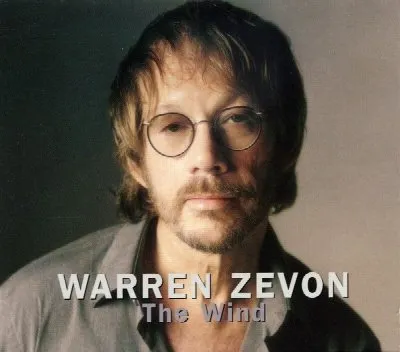
The Wind
Warren Zevon
Pairs piano-led, sardonic storytelling with reflections on mortality and a roots-rock palette.
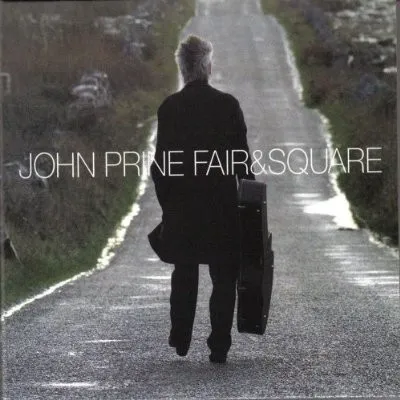
Fair & Square
John Prine
Shares dry American humor, plainspoken songcraft, and bittersweet reflections on aging and everyday life.
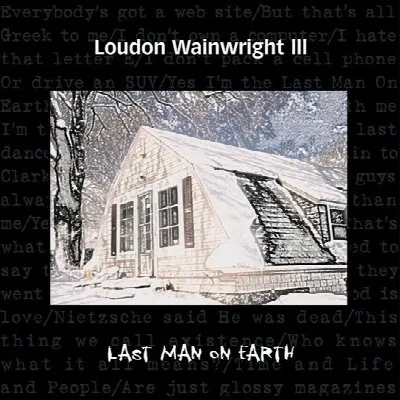
Last Man on Earth
Loudon Wainwright III
Uses wry piano songs and intimate storytelling to balance mortality, self-mockery, and tenderness.
Reference: Wikipedia · MusicBrainz · Wikidata
Sync your library
Everything you track here works immediately — no account needed. Create one when you want to sync across devices.