

Top tracks — play these first
-
→
Public Reaction Killed This Cat — This track exemplifies the band's witty lyricism and biting social critique, blending energetic instrumentation with an infectious chorus that underscores the absurdity of media sensationalism.
-
→
Victory Drums — With its driving beat and anthemic quality, this song showcases the band's ability to merge punk intensity with catchy hooks, creating a rallying cry amidst political upheaval.
-
→
Everything Turns to Black and White — This track stands out for its introspective lyrics and moody atmosphere, capturing a sense of disillusionment with society while maintaining a rhythmic pulse that keeps it engaging.
Is this for you?
Good fit if you like
- short bursts of vibrant energy
- satirical lyrics with sharp wit
- playful irreverence in lyrical themes
- quick-paced tracks for active listening
Maybe skip if you
- prefer lengthy, immersive albums
- seek straightforward lyrical content
Where this album fits
- Career context
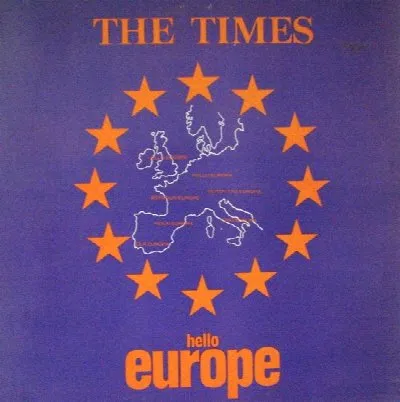
- Hello Europe is The Times' second album, following their debut, Pop Goes Art, released in 1981. At this point in their career, the band was experimenting with a more polished sound while still retaining their punk roots. This album marked a significant step forward as they sought to carve out a unique identity within the rapidly evolving UK music scene of the early '80s.
- Stylistic neighbors
- The Chameleons· Echo & the Bunnymen· Wire
Tracklist
Best experienced from track one — press play and let it unfold.
- 1 Radiate 2:39
- 2 Blue Fire 4:37
- 3 Victory Drums
- 4 Everything Turns to Black and White 4:21
- 5 Boys Brigade 3:06
- 6 Where the Blue Begins 2:55
- 7 Public Reaction Killed This Cat 3:57
- 8 Faith
- 9 Things We've Learnt 3:42
- 10 Kulturshock 4:46

Reference: Wikipedia · MusicBrainz · Wikidata
Sync your library
Everything you track here works immediately — no account needed. Create one when you want to sync across devices.