

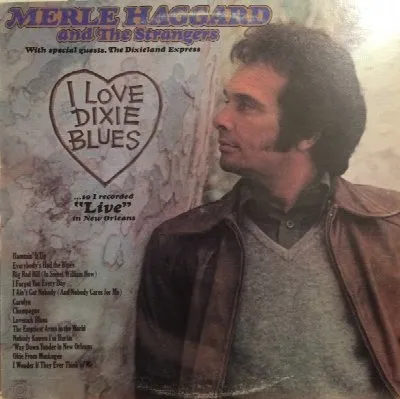
I Love Dixie Blues
Merle Haggard · 1973
36 min · 15 tracks · country music
A vibrant blend of honky-tonk rhythms and heartfelt ballads showcases Haggard's deep connection to the roots of American music.
Top tracks — play these first
-
→
Okie From Muskogee — This track serves as an anthem for those who feel alienated from mainstream culture, capturing Haggard's knack for storytelling around working-class life. Its impact was so profound that it became one of Haggard's signature songs.
-
→
Everybody’s Had the Blues — This song encapsulates the universal theme of heartache while showcasing Haggard's ability to blend traditional country with blues influences effortlessly. The emotional delivery resonates with listeners seeking solace in shared experiences.
-
→
Lovesick Blues — Haggard's rendition revitalizes this classic, illustrating his vocal prowess and deep emotional connection to the lyrics, which delve into themes of love and longing through a heartfelt performance.
Elevation
Our rating, out of 100 — and why.
AI-generated from five scored dimensions. An opinion, not a measurement.
The album blends honky-tonk and ballads effectively, showcasing Haggard's songwriting and performance skills.
What we noticed
- The album opens with a lively honky-tonk track, followed by a series of ballads that alternate in tempo and mood.
- Several tracks feature prominent steel guitar solos, which are characteristic of the genre and enhance the emotional weight of the songs.
- The last three tracks include an introduction and a finale, creating a sense of closure to the album's narrative arc.
- Composition 25% of the score
-
7/10
- Craft 20% of the score
-
8/10
- Durability 25% of the score
-
6/10
- Distinctiveness 18% of the score
-
6/10
- Sequencing 12% of the score
-
7/10
the writing — melody, harmony, structure, lyrics
production, performance, arrangement
whether it rewards returning to it
whether it sounds like itself
running order, pacing, length
Known within its scene. Reported but not counted — how far a record travelled describes its reception rather than the record, and a newer release has had less time to travel than an older one.
Is this for you?
Good fit if you like
- heartfelt storytelling with peaks
- short tracks for quick enjoyment
- evocative reflections on loneliness
- playful moments between the
Maybe skip if you
- seekers of long epics
- prefer immediate upbeat energy
Where this album fits
- In the catalog
- Breakthrough — This album solidified Haggard's status in country music after earlier successes.
- Career context
- By the time 'I Love Dixie Blues' was released in 1973, Merle Haggard had solidified his status as a leading figure in country music, following the breakthrough success of 'Okie From Muskogee' in 1969. This album continued to explore themes of nostalgia and regional pride, reinforcing his image as the voice of the working class.
- Stylistic neighbors
- Waylon Jennings· Johnny Cash· George Jones
Tracklist
Best experienced from track one — press play and let it unfold.
- 1 Hammin’ It Up 2:00
- 2 Everybody’s Had the Blues 3:35
- 3 Big Bad Bill (Is Sweet William Now) 2:50
- 4 I Forget You Every Day 2:46
- 5 I Ain’t Got Nobody (and Nobody Cares for Me) 2:52
- 6 Carolyn 2:45
- 7 Champagne 1:47
- 8 Lovesick Blues 3:15
- 9 The Emptiest Arms in the World 3:19
- 10 Nobody Knows I’m Hurtin’ 1:50
- 11 Introduction to ’way Down Yonder in New Orleans 0:57
- 12 ’Way Down Yonder in New Orleans 2:04
- 13 Okie From Muskogee 3:00
- 14 I Wonder If They Ever Think of Me 2:45
- 15 Finale 1:01
What to play next
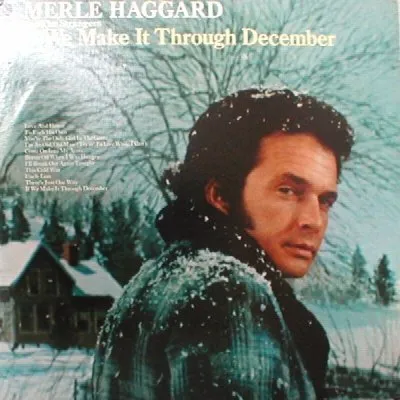
If We Make It Through December
1974
This album continues the heartfelt storytelling and honky-tonk vibes explored in the current album.
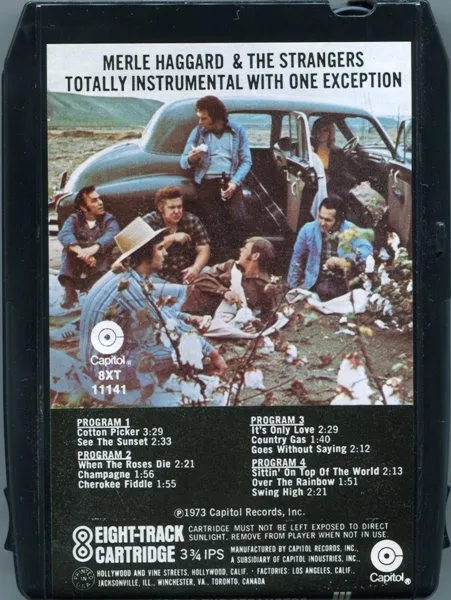
Totally Instrumental With One Exception
1973
The previous album sets a rich musical foundation that complements the themes of 'I Love Dixie Blues'.
If this landed
Records by other artists that run on the same instinct.
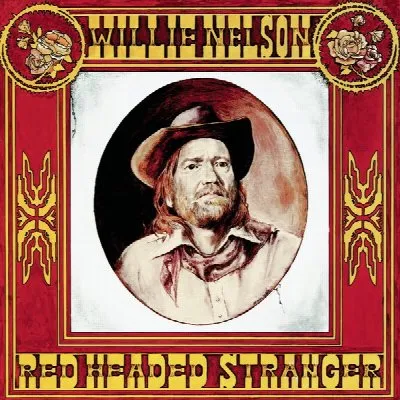
Red Headed Stranger
Willie Nelson
Shares a similar storytelling approach with heartfelt themes of love and loss in a rootsy sound.
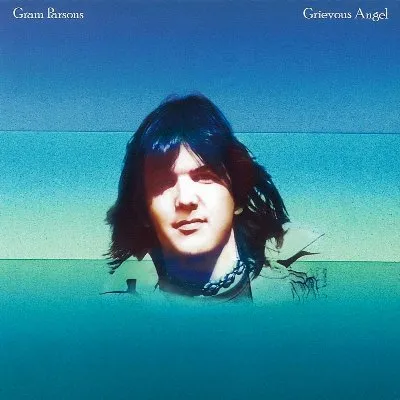
Grievous Angel
Gram Parsons
Blends country and folk influences while exploring themes of nostalgia and heartache.
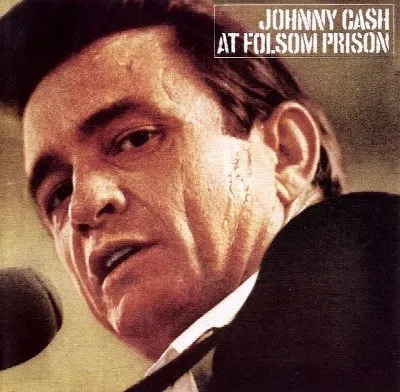
At Folsom Prison
Johnny Cash
Captures working-class struggles and raw emotion through simple yet impactful honky-tonk arrangements.
Reference: Wikipedia · MusicBrainz · Wikidata
Sync your library
Everything you track here works immediately — no account needed. Create one when you want to sync across devices.